In April, police in Spain discovered a workshop using 3D printing technology to create assault rifles and handguns. The copsseizedcomponents for some 19 3D-printed weapons. The incident once again raised questions over feasibility as regulators struggle to reign in or even ban 3D-printed guns.
A team of University of Buffalo researchers has found a way to determine a 3D printer’s fingerprint, which could not only help identify machines used to make unlawful weapons but also help protect intellectual property.
Zhanpeng Jin, Ph.D., a University of Buffalo associate professor, had concerns over the technology’s capabilities. Several open-source websites provide CAD files that can be downloaded and used to 3D print objects. While the access often means small toys, trinkets, or replacement parts for tinkerers, it could provide information used to build assault rifles and handguns.
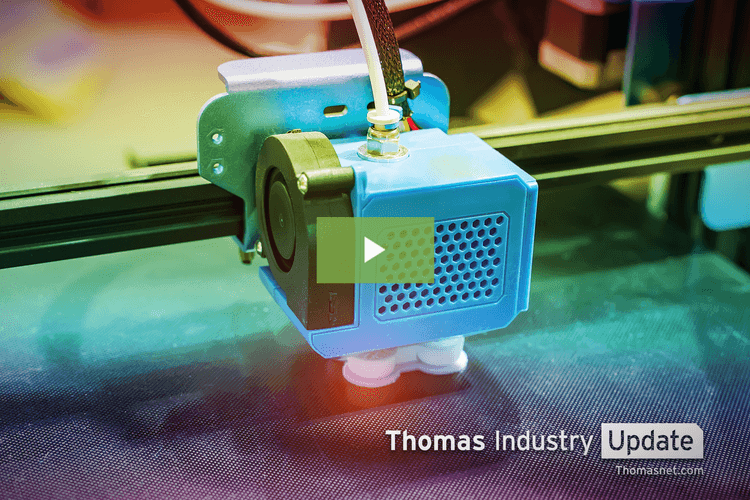
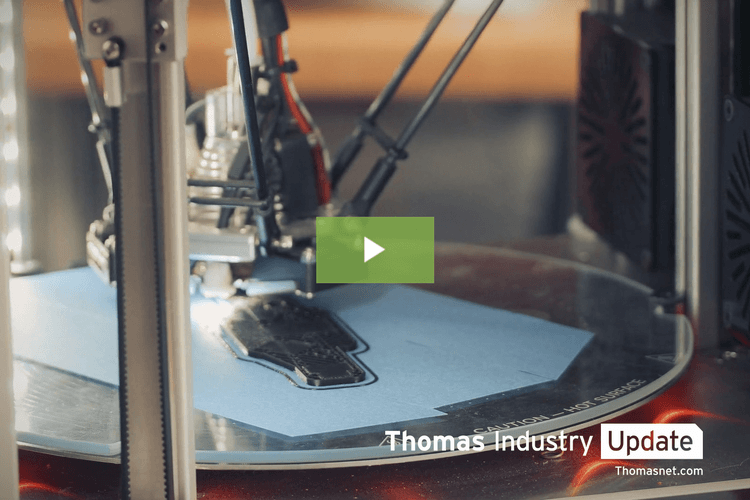
The researchers looked for an internal component, something that left a unique signature, which drew them to the extruder. Additive manufacturing builds parts layer-by-layer on a print bed as material is fed through a "hot end” or extruder to melt the material.
Each extruder has unique, identifiable heating properties that can serve as a fingerprint, similar to digital watermarks used by laser printers. The team uses the 3D printer’s thermodynamic properties to create a ThermoTag, which is as unique as a human fingerprint.
The process is a little involved but was pretty accurate. For the study, recently published inIEEE Transactions on Information Forensics and Security, the team took 3D-printed objects, matched the extruders and identified the printer model with 92% accuracy. Theoretically, if a person is arrested with an illegal 3D printed gun, authorities could track the firearm back to the 3D printer’s buyer. The team tested the process using 45 different extruders.
Jin says criminals could stay ahead of the law by replacing the extruder, which is why he stresses the importance of creating an extruder database.
The owner of the workshop in Spain was apprehended, and the shop was dismantled.