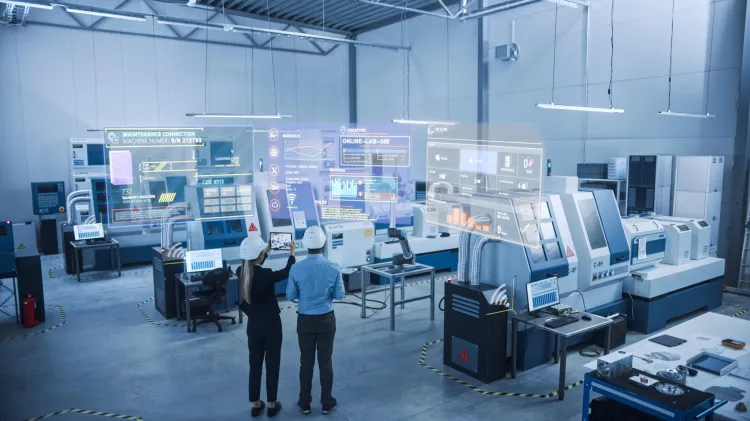
During a recent Thomas Industry Update Podcast episode with guests Mark Heidebrecht and Sam Bradbury, the two board-certified ergonomists discussed how ergonomics plays a massive role in the workplace, particularly in industrial facilities. Although the term "ergonomics” is usually assumed to be exclusively physical, Bradbury and Heidebrecht explain that the science behind it is much bigger; it explores physical safety but also addresses concerns surrounding internal culture and how it can play a role in safety in the workplace.
However, ergonomics is generally not something that’s tangibly measured; with the exception of directly addressed safety regulations, how can you quantify feelings of safety at an industrial facility?
Heidebrecht and Bradbury set out to address that exact issue by founding Ergonomics International, and later creating the Risk and Physical Demand Software System to help industrial business owners better address and monitor their maintenance of a safe industrial workplace.
How Data and Automation Are Driving Safety in Industry
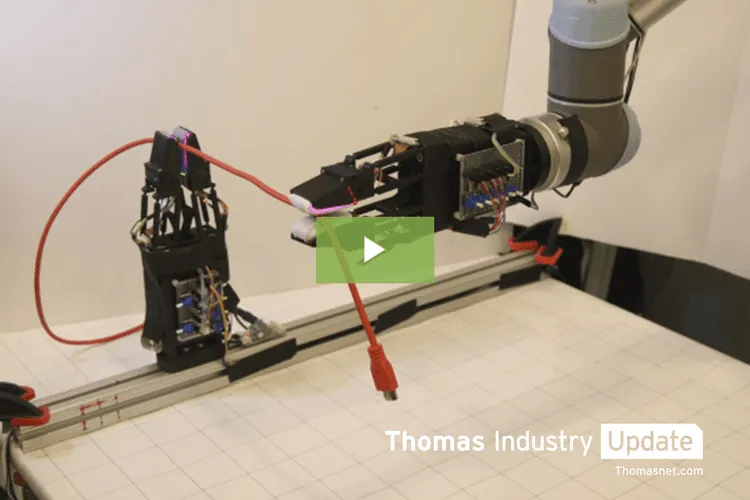
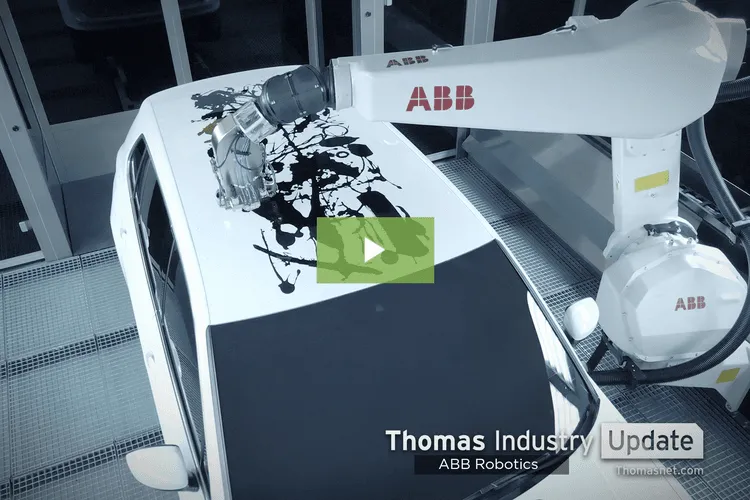
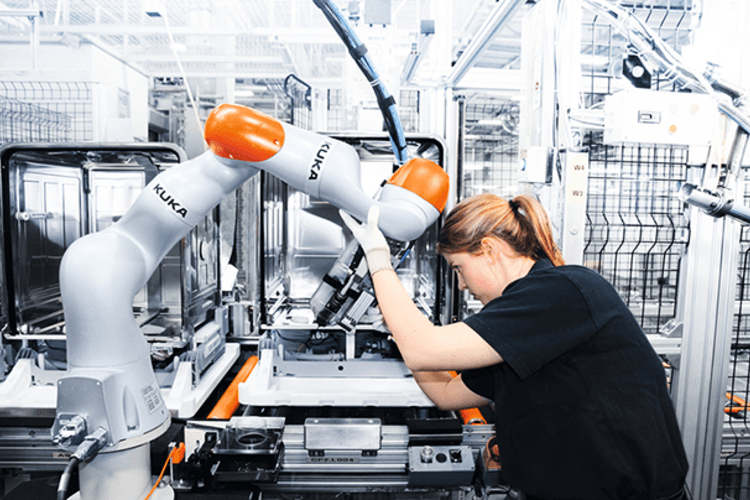
Bradbury explains that automation and safety have somewhat of a controversial history; the first robots in industrial facilities were literally caged to prevent people from being hurt or even killed by them. But he’s definitely starting to see industry move in the direction of adoption and integration, which he believes came when robots transitioned to cobots.
"We’re starting to see a really interesting culture happening within industry where we can actually now use those cobot technologies to help improve the productivity, efficiency, and the comfort for the worker who actually still has to be involved in the decision making, which is really the human factors piece of jobs,” He says. "If it has to require something about quality, if it has to require a decision, then that’s when the human needs to be involved.”
Although cobots are proving to be useful in industrial settings, they still have a bad reputation that precedes them, and that’s where Ergonomics International steps in with hard data that can tell industry leaders exactly how much risk, if any, they’re taking on by bringing robots into their facilities. The duo developed their software to draw from past epidemiology research and quantify risk factors.
"We look at ‘If this risk factor is present, what are the odds of an injury?’ So now we can actually tell clients, ‘Hey, if this risk factor is present, your chance of an injury is this percent,'” Heidebrecht explained.
"And now we can say, ‘Hey, these are evidence-based stats.’ And that helps us to become more confident. It also allows us to put some dollar amounts around it for the employers for it as well,” Bradbury continued.
Industry 4.0 Adoption Is No Longer Optional
At the end of nearly every episode, podcast host and Thomas CEO and President Tony Uphoff asks each guest the question, "What’s the best advice you would give to someone who is looking for a lifelong career in industry?”
While each answer is unique to personal experience, Heidebrecht’s was tinged with a word of caution for listeners.
"Stay current with technology,” he said. "Cobots and technology are only going to change faster.”
He went on to explain that in order to stay up-to-date, industry leaders will have to look to data for the best solutions for adoption at their facilities. However, they’ll need to make sure it’s the rightdata.
"There is a lot of data out there. I would caution this by saying there is a lot of bad data out there as well. But if you can find a good data source that gives you good, reliable information to make your decisions, you want to go with a data-driven process that allows you to make good decisions that support the outcomes you’re trying to achieve,” he advised.
Listen to this episode of Thomas Industry Update Podcast, available to stream on the following platforms.
- Apple Podcasts
- Spotify
- Google Play
- Soundcloud
- Stitcher







![Industry Executive Explains Why the Future of Manufacturing Will Be Human-Machine Collaboration, Not Robots Replacing Human Workers [Q & A Interview]](/upload/20250615/51xq31f0xue.png)