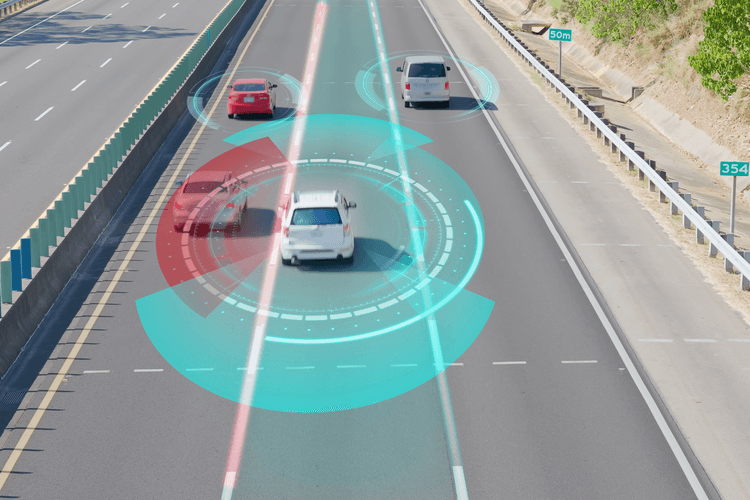
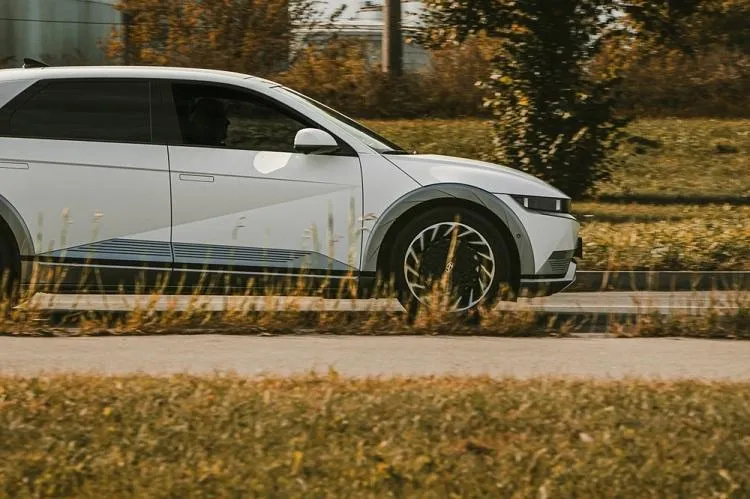
Modern vehicles, including personal-use automobiles as well as commercial trucks, contain a multitude of sensors. These are used for a variety of applications, from detecting raindrops in order to activate automated windshield wipers to providing impact data to deploy smart airbags.
As sensors continue to become more sophisticated and affordable, manufacturers will undoubtedly seek to incorporate them into their vehicles in new and creative ways to help promote driver safety. When used strategically, sensors also have the propensity to enhance the efficiency with which commercial trucks operate, complete their routes, and make deliveries.
How Sensors Are Reshaping the Trucking and Automobile Industries
The primary use case for automotive sensors is increased safety. Vehicle sensors are already used in conjunction with driver alertness systems in order to monitor driving habits, and these systems can also alert vehicle operators if they begin to exhibit concerning behaviors due to a decrease in attentiveness.
Vehicle sensors can further enhance commercial vehicle safety by monitoring and reporting the driving habits of truck drivers. Fleet coordinators can track this data to detect any concerning driving trends, provide additional training to drivers, and proactively work to reduce accident rates.
Ultimately, sensors deployed in commercial driving applications would enable businesses that manage fleets to reduce their operating costs and protect themselves from civil liabilities.
Looking to the Future
The ever-increasing usage of sensors in the automotive and trucking industries also creates a major opportunity for software as a service (SaaS) providers. Providers can capitalize on this opportunity by creating new driver-monitoring reporting tools that can interface with standard or aftermarket onboard vehicle sensors.
In the coming years, vehicles will continue to transform into truly interconnected pieces of hardware that are much more than simply modes of transportation and instead a continuation of the integrated environments that exist in modern homes equipped with internet of things (IoT) devices like smart thermostats and appliances. Sensors in vehicles will pave the way for better operational safety and a more immersive, technology-centric experience for users in both commercial and consumer spaces.
Get More Insights
- Tesla Advances Its EVs by Rethinking Traditional Automotive Supply Chain Practices
- Ford, ADT Partner to Prevent Vehicle Theft with New Smart Tech
- From Apple Watches to a Car’s Dashboard, the $500 Billion Electronic Components Market Reaches Various Avenues of Industry







![6 Robots Roaming New York City [A Byte Out of the Big Apple]](https://machinerys.net/upload/cache/202506/6-robots-roaming-new-york-city-a-byte-out-of-the-big-apple.webp)