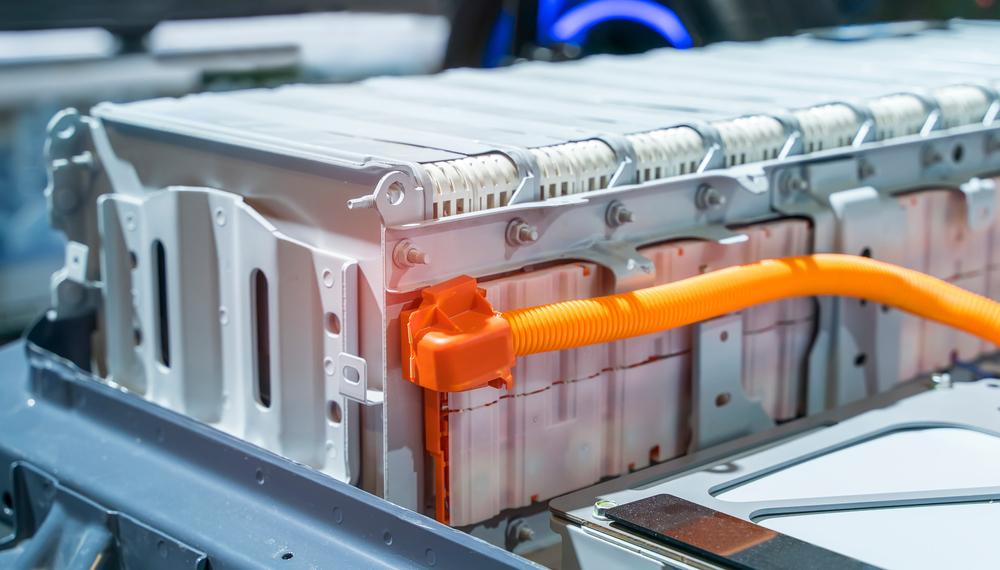
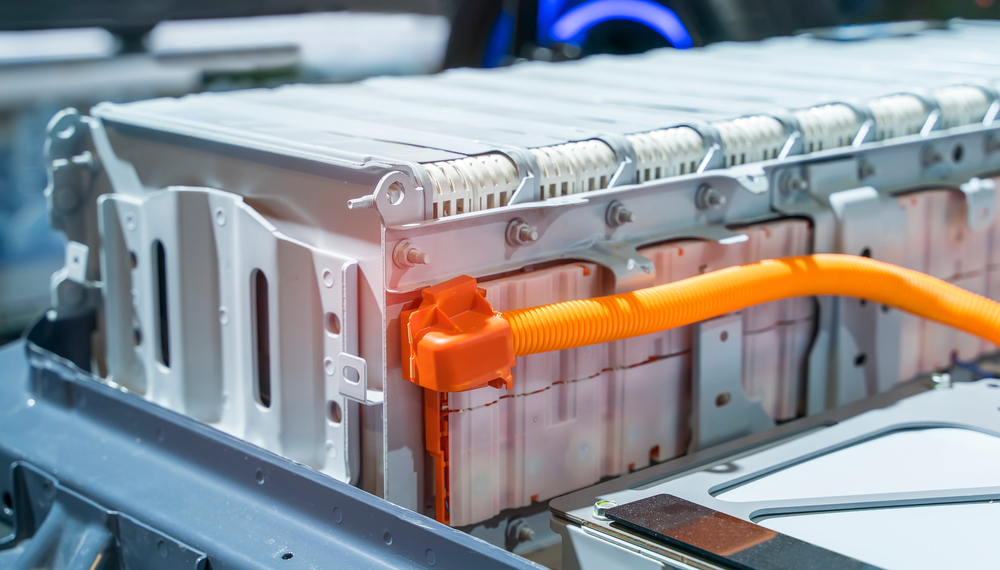
Millions of people around the globe have started embracing electric alternatives to equipment once powered by traditional, internal combustion engines. From cars to lawnmowers to edgers and weed eaters, battery power has become commonplace in the devices of our modern society — but what becomes of all those batteries?
Advancements in recycling technologies have made it possible to recycle many components found in modern batteries, but battery recycling as a whole has experienced a different general uptick in popularity than the use of the equipment those batteries power. The primary reason is likely a need for more understanding concerning the environmental importance of battery recycling. However, a few unresolved challenges also contribute to low battery recycling rates.
There are a variety of key benefits and challenges associated with the battery recycling process.
The Importance of Battery Recycling
From a practical standpoint, battery recycling is crucial for waste management, as they — along with the materials they are made of — can take more than 100 years to decompose. Many of the chemicals contained within batteries can’t decay, instead polluting nearby soil and water.
Battery recycling is also important for conserving resources, such as sought-after metals like lithium, nickel, and silver. Large-scale battery recycling can reduce the need to mine these materials while also supporting the production of new batteries.
Additionally, recycling or safely disposing of battery materials can reduce environmental pollution, seeing as most mining equipment is powered by fossil fuels, and protect the planet’s most vital natural resources.
Types of Batteries
Before diving further into how to recycle batteries, below are some of the most commonly used types of batteries.
- Alkaline Batteries: An alkaline battery contains an electrolyte solution (usually potassium hydroxide) with a PH value greater than 7, deriving its energy from a chemical reaction between two or more metals
- Rechargeable Batteries: A rechargeable battery is any type of battery that can be discharged and then recharged repeatedly. There are many types of rechargeable batteries, including alkaline and lithium varieties.
- Lithium Ion Batteries: These are extremely advanced batteries that use a process known as “reversible reduction” to store energy in lithium ions. The negative electrode is usually made of graphite.
All of these batteries include desirable metals that can be recycled, such as nickel, lithium, and copper.
The Battery Recycling Process
The process of recycling batteries can be broken down into five steps.
- Collection: The collection stage involves harvesting and delivering used batteries to a recycling facility.
- Sorting: As the recycling process for each kind of battery varies slightly, batteries must be sorted based on their type once collected.
- Dismantling: The batteries are then disassembled, or broken open, allowing recyclers to collect reusable materials.
- Recovery: Recyclers will use one or more methods to recover metals, like nickel or lithium, from old batteries.
- Recycling: In the final stage of the process, the recovered materials are used to create new goods.
Streamlining the complex battery recycling process will go a long way in increasing recycling rates and reducing the amount of metal waste that is deposited into landfills.
Environmental Impacts of Battery Recycling
The improper disposal of consumer batteries causes significant landfill pollution, which in turn causes hazardous wastes, such as heavy metals and toxic substances like mercury or hydrogen sulfide, to seep into the environment.
Battery recycling can drastically reduce that pollution and its effects by discouraging harmful mining activity while also allowing society to make the most of Earth’s finite supply of essential metals.
Benefits of Battery Recycling
Recycling old batteries provides a range of benefits.
1. Resource Conservation
Battery recycling efforts facilitate resource conservation, as manufacturers can reuse metals that have already been mined instead of harvesting new ones.
2. Reduction of Greenhouse Gas Emissions
Mining heavy metals and then hauling them to manufacturing facilities involves the use of fossil fuel-powered vehicles, such as commercial trucks, trains, and other large transports. Reducing the demand for mining will, therefore, decrease greenhouse gas emissions significantly.
3. Creation of a Circular Economy
Recycling batteries can help create a circular economy based on the “reduce, reuse, recycle” model. As an added benefit, mining jobs can be replaced by waste collection and recycling opportunities, filling an important economic void.
Challenges of Battery Recycling
While there are many challenges associated with battery recycling, there are three that are most prevalent.
1. A Lack of Collection Infrastructure
Getting old batteries to recycling facilities is a considerable hurdle all its own. While many municipalities have recycling programs in place, only some accept batteries, leaving the everyday consumer to go above and beyond just to deliver their used batteries directly to recycling facilities.
2. Poor Consumer Awareness
Consumer awareness is another major barrier to battery recycling, as many individuals simply do not know the dangers associated with the disposal of lead-acid batteries and lithium-ion batteries in landfills. Educating consumers will go a long way in increasing battery recycling rates.
3. The Dangers of Hazardous Materials Handling
Workers at battery recycling facilities must be provided with high-quality safety equipment, as they will be continuously handling hazardous chemicals and heavy metals.
Battery Recycling Technologies
Recycling facilities deploy a wide range of technologies and techniques to recover reusable materials from batteries. Some of the most common include hydrometallurgical, pyrometallurgical, and mechanical separation processes.
Hydrometallurgical Processes
A hydrometallurgical process is one that uses aqueous (water-based) substances to extract metal from a concentrate or ore.
Pyrometallurgical Processes
A pyrometallurgical process uses extremely high temperatures to extract and purify metal.
Mechanical Separation
Mechanical separation breaks apart batteries using a hydraulic-powered shredder or another powerful device so that the materials can then be melted down and purified.
Global Battery Recycling Initiatives
Currently, only around 5% of lithium-ion batteries are recycled, which is a major concern as experts predict that demand for lithium-ion batteries will increase by a factor of 11 by 2030.
Fortunately, recent international collaborations between the United States and other nations have led to the development of new regulatory frameworks that should increase household waste recycling rates. Specifically, the Extended Producer Responsibility policy holds manufacturers accountable for the environmental impacts of their products in the post-consumer stage of their lifecycles.
Future of Battery Recycling
Traditionally, used batteries were recycled to harvest raw materials like nickel and lithium, which were then repurposed and reused to create new products. While that remains a core component of battery recycling, the development of advanced recycling technologies is paving the way for some exciting new opportunities. Most notably, experts hope to perform battery-to-battery recycling, a process that would involve converting spent batteries back into usable devices.
Additionally, researchers are working to create more sustainable material recovery methods as, currently, recycling batteries produce greenhouse gasses and other waste. Decreasing the waste produced during the recycling process will support global sustainability initiatives and help conserve finite environmental resources.
Battery Recycling: A Key Cog in the Sustainability Machine
Though battery technology has evolved at an exponential rate over the last few decades, battery recycling technologies and processes still need to catch up. Thankfully, recent international collaborations and new regulatory frameworks are poised to change all that.
Batteries, and the strategies employed to recycle them, will play a critical role in creating the more sustainable and environmentally-conscious society of tomorrow.
More Insights
- 5 Trends Charging the Battery Market
- Innovations in the EV Battery Market in the U.S.
- 7 Lithium Battery Alternatives
- Types of Electric Car Batteries: A Comprehensive Guide for Manufacturers
- Electrification of Transportation: Benefits, Challenges, and Trends for the Transportation Sector