Automakers around the world are going electric in an effort to curb the climate impact of cars. Completely changing the powertrains of millions of vehicles, however, will also have its consequences.
There’s the question of how to source the critical minerals needed to make electric vehicle batteries, of course, but there’s also the issue of what to do with those batteries once they’ve stopped powering their cars. A startup nonprofit formed by teams from Germany and India hopes to explore one potential solution to the latter problem.
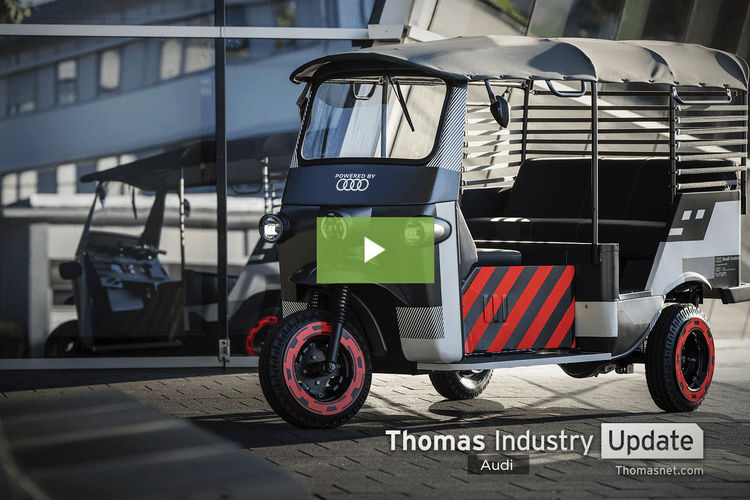
Nunam will deploy batteries originally used in Audi’s test fleet of e-tron vehicles in three prototype electric rickshaws starting next year in India.
EV batteries are designed to last for the life of a car, but engineers said even after that, the batteries retain a large amount of power. Organizers hope the project can give them a second life: rickshaws, after all, don’t need to travel very fast or very far, so they won’t need a great deal of energy.
The project could pave the way to replacing the lead-acid batteries in the country’s conventional rickshaws, as well as reducing exhaust in urban corridors and curbing demand for coal-fired power. The carts would recharge using rooftop solar charging stations.
Organizers hope to particularly help women in India, who could be able to use the rickshaws to move goods to and from marketplaces by themselves.
And although the rickshaw might be the end of the road for the batteries, so to speak, they could live on as LED lighting or other stationary power sources — anything, officials said, to get every drop of power out of them before recycling them.