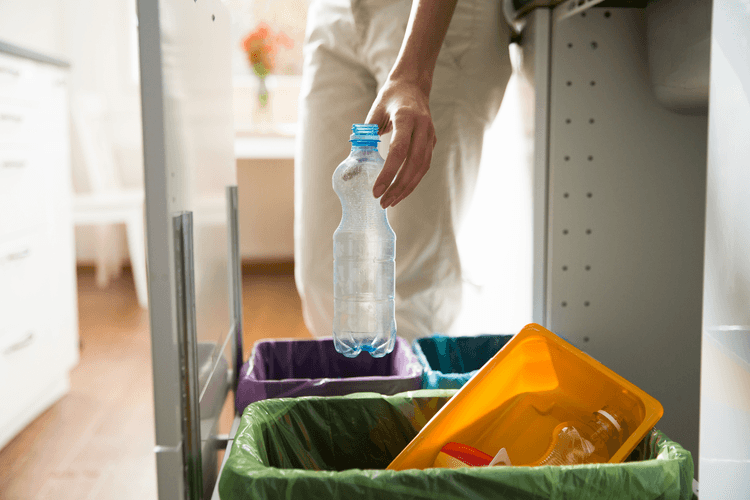
Did you know that out of all of the tons of solid waste produced in the U.S., more than 60% comes from packaging materials? To get even more specific, food packaging is the largest contributor. Unfortunately, plastic contributes a large percentage of the packaging materials created and wasted. To make matters worse, plastic can take more than 450 years to decompose.
As some corporations begin rethinking unnecessary and wasteful packaging, they are coming up with unique solutions to reduce waste. We have highlighted a few strategies below.
Edible Packaging
Ice cream cones may have been the start, but manufacturers are getting creative with edible packaging. Stonyfield Farm, for example, launched edible pearls in 2014 for their frozen yogurt, basically encasing it in an edible gel skin. And that’s not all, Manchester City Football Club released edible coffee cups at their stadium in 2021.
Edible packaging is safe to consume, reducing waste by 100%.
Shipping Smaller Packages
Some brands are reducing the size of packaging they use to help make a big environmental difference. Think smaller boxes, bottles, and containers. The New Jersey company Staxxon unveiled shipping containers "designed to fold in an accordion-style fashion, and shrink to 1/5 the size of a regular container.” Additionally, many companies are working to improve cargo capacity, in turn requiring fewer delivery trips.
This is just one way companies can reduce their environmental impact and even lower shipping expenses.
Recycled Packaging Materials
Companies aren’t just switching to recyclable packaging, they are making packaging out of recycled materials. Paperboard, for example, is made from recycled paper pulp and is lightweight and non-toxic, making it ideal for food packaging.
Kencko, a food company startup, makes its packaging out of plants. The water brand Boxed Water even built its whole brand around sustainable packaging, using cardboard as a container.
Plantable Packaging
Plantable packaging is a container housing a product that can be placed in the soil to sprout plants. These containers often have seeds and are easily biodegradable.Pangea Organics, which deals with beauty products, was among the first brands to implement this creative packaging. Plantable packaging is excellent for housing small, light products like berries and nuts. They can also be used as food wraps.
With infinite room for package-free food innovation, manufacturers don’t have to limit themselves to plastic waste.