Plastics have seemingly endless use cases, but their widespread adoption has come with a cost: disposal.
According to the EPA, for all the plastic being utilized by the American public, only 8.7% of it actually gets recycled. That leaves more than 90% in landfills, where its inability to decompose means its lifespan is basically infinite. But there may be an alternative.
According to researchers at EPFL — a renowned public research university located in Switzerland — they’ve developed a new material that mimics the strength of plastic but is made out of plants.
The plant-based material is being described as “PET-like” however it’s derived from waste plant matter that can be "chemically recycled or degrade into harmless sugars in the environment.”
At its root is the biopolymer lignin, which has found other use cases in creating super-strong materials without harmful ingredients. In this case, lignin is using a chemical called glyoxylic acid to enable the material’s edges to act as plastic “building blocks.”
The researchers say the “simple process” enables them to convert “25% of the weight of agricultural waste, or 95% of purified sugar, into plastic.”
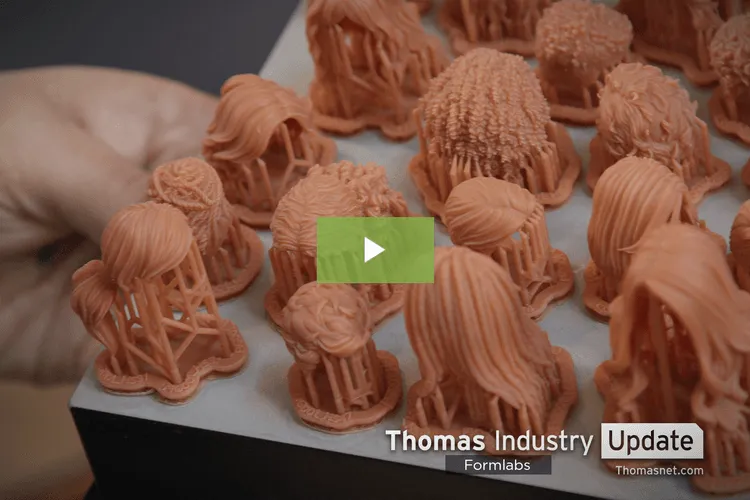
Benefits of this plastic alternative include high tensile strength and stiffness, and the ability to withstand temperatures up to 100 degrees Celsius. According to a report in New Atlas, research team members demonstrated numerous applications, including using the material in packaging film, 3D printing, and textiles.
And while the plant-based plastic can be recycled, it’s apparently okay if it isn’t. EPFL researchers say the discarded product will degrade into plant sugars and not microplastics.