Since 2001, climate researchers have logged sixteen of the seventeen hottest years on record, warning that this “new normal” could be a mere preview of things to come.
According to a report from the sustainability-driven team behind Generation Investment Management (GIM), this simply doesn’t need to be. The firm’s first annual Sustainability Trends Report paints a world at the brink — of a shift to earth-friendly operations.
In fact, what has been dubbed the “sustainability revolution” is set to pack the punch of the industrial revolution, moving with the speed of the digital revolution. And it all comes powered by new tech tools and specialized social and business interests, all devoted to saving the planet.
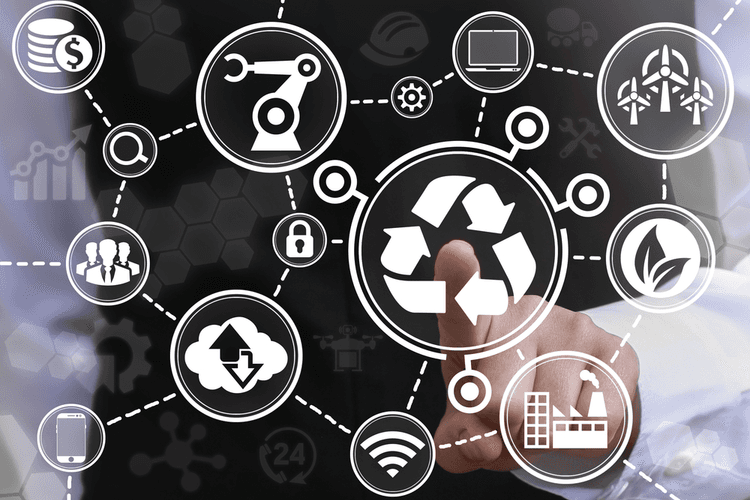
It’s no coincidence that sustainability and digital tech have risen together. Modern companies hold more power than ever, with Big Data to IoT-powered awareness allowing for smarter decision-making and more streamlined operations. Superior information leads to improved operations, enhanced worker wellness, higher efficiency, and even reduced emissions.
While data-driven technology doesn’t force companies to change their practices, it can certainly disrupt business with its influence alone.
Going Green
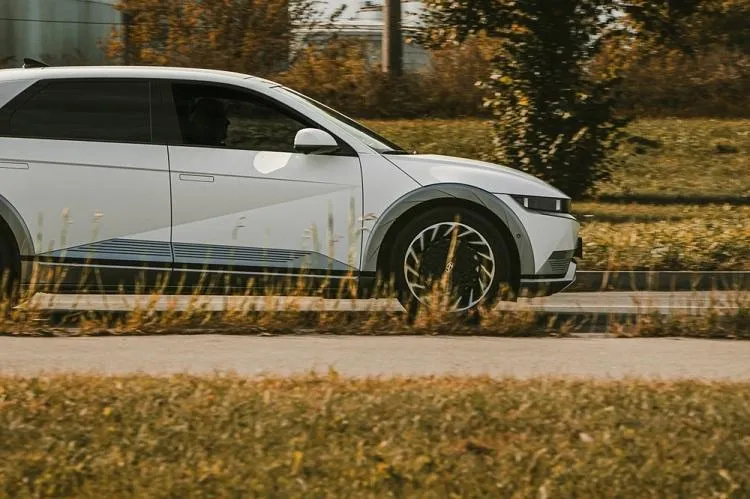
Renewable energy is becoming more and more cost-efficient. Electric vehicles have caught up to gas-powered cars. Plant-based milks and proteins rank high in the hottest food trends. Both manufacturers and customers stand to actively reap the rewards of sustainable work and lifestyles.
With the powerful technology emerging from the digital revolution, the stars of interest, information, and access are quietly aligning, allowing for the implementation and development of everything from simple eco inventories to custom-crafted produce.
The United Nations reports that the use of digital tools to track resources could help reduce water and energy use by 15%, saving over 1.3 billion megawatts worldwide,by the year 2030.
Some software solution firms are already poised for the shifting times, offering tools specifically designed to help organizations track and manage resource data. Usage and waste, project implementation, and even potential sustainable practice benefits can all be collected. The data, readily compiled, can then directly inform decision-making and operational improvements.
Reassessing Our Foundations
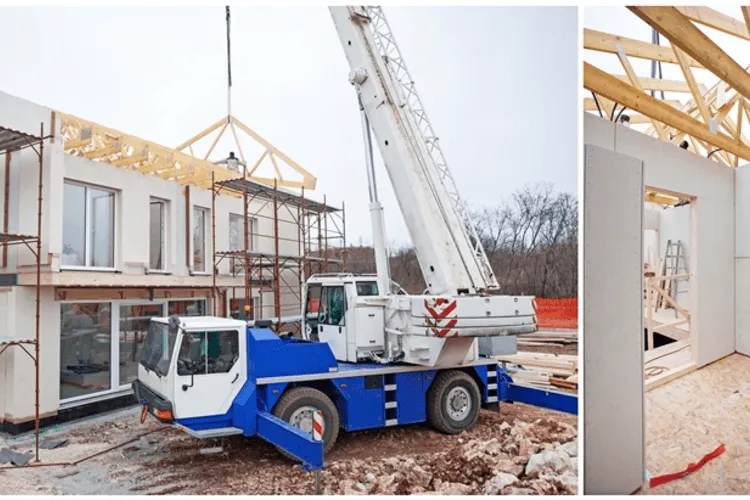
Even the materials we used to build are under new analysis. At the TEDxFulbright event held in Dublin last month, scholars pitched stronger and more sustainable concrete. Researcher Roisin Hyde discussed the emerging digital laboratory technologies that allow researchers new views of materials, all the way down to their nanostructures. Fully understanding the foundations of our most utilized molecular structures allows us to develop lighter, stronger, and more sustainable alternatives, all based on the new information at our disposal.
Hyde’s material research has resulted in a concrete product composed of 96% recycled waste materials, all assembled with less than a quarter of the emissions created by typical concrete mixes.
The Power of 3D Printing
The third digital revolution takes center stage in a new book, Designing Reality, from the MIT Center for Bits and Atoms’ Neil Gershenfeld, Alan Gershenfeld, and Joel Cutcher-Gershenfeld. Pegged as the next logical step in the digital curve, we have entered the age of digital fabrication.
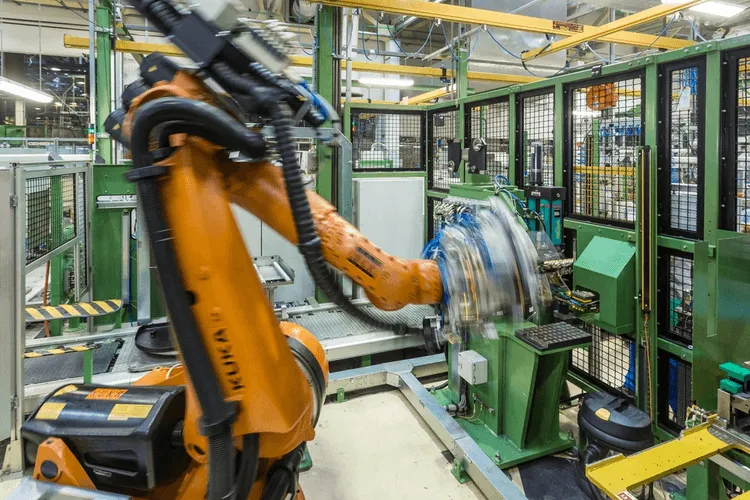
3D printing is fast, efficient, and incredibly accurate. It’s now presenting the opportunity for local communities and companies across the globe to rethink the nature of production and how things are made, and for major manufacturers like Adidas to assess andrespond to consumer demand at the speed of light.
The Future of Farming
What makes a farm? The fast-growing startup Bowery is leveraging smart manufacturing to push the question right out of the soil and into abandoned shipyards.
Growing leafy greens and fresh herbs without any of the traditional trappings of agriculture, Bowery’s fully hydroponic system runs completely through a tightly controlled digital operating system. It uses 95% less water to grow its lettuces, and operates from otherwise abandoned urban space. Cameras, sensors, and smart gauges — not humans — sustain the operations.
However the sustainability revolution may evolve, we can only hope for such plant-loving AI. And maybe more kale.
Image Credit:Panchenko Vladimir/Shutterstock.com