For much of manufacturing’s history, auto companies have been on the cutting edge of operational improvement. In fact, the just-in-time principles of the Toyota Production System were born in the Japanese automaker’s facility before many of us were born… and they’re still being used today.
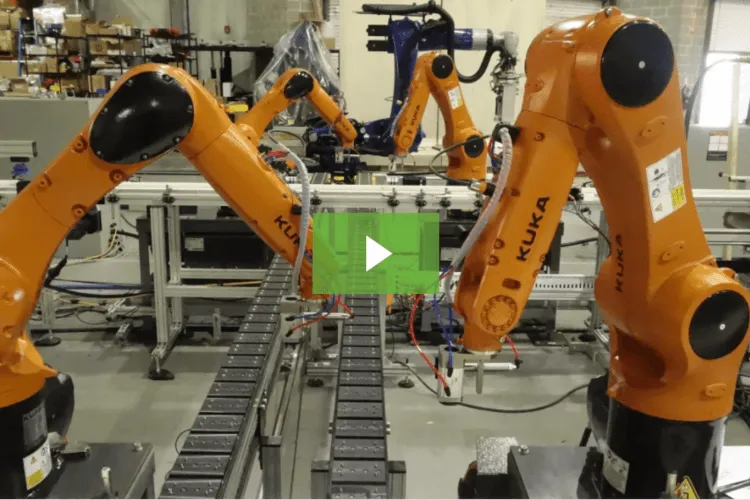
Outside of Lean manufacturing, automakers were also notably the first heavy users of automation, where robotic tools could address assembly and coating work with more consistency and less downtime.
But according to a recent Reuters report, other industries might finally be starting to catch up when it comes to robotics. In a first, the robots sold in 2020 in North America didn’t predominantly go-to automotive manufacturers, despite that group accounting for a full two-thirds of shipments as recently as 2017.
While the 2020 robotics industry was stunted, like many others, early in the pandemic, it roared back in the second half, closing the year up 3.5%. Reuters says robotics has been trending slowly into other industries besides automotive, but it was the pandemic that really drove sales into overdrive. In fact, fourth-quarter sales were up 63% over the same period a year prior.
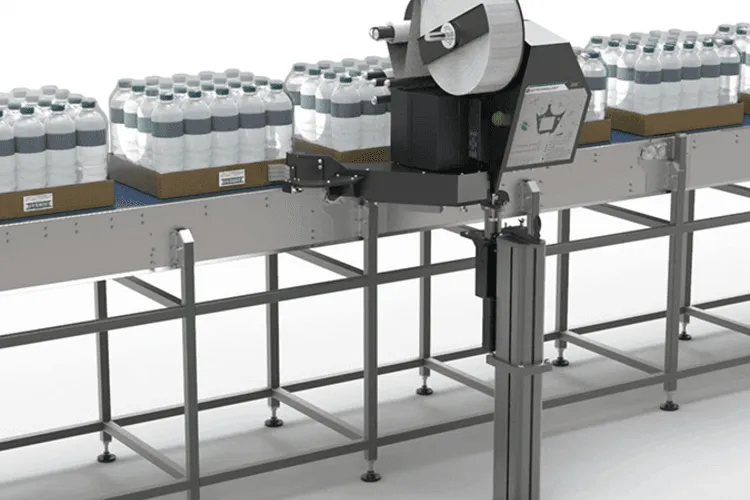
And the areas where demand flourished include places like warehouses, impacted by the massive increase in e-commerce sales, as well as food plants needing to keep lines running without crowding workers. Additionally, the Association for Advancing Automation noted that 52% of total robots ordered in North America went to plants making consumer goods and pharmaceuticals.
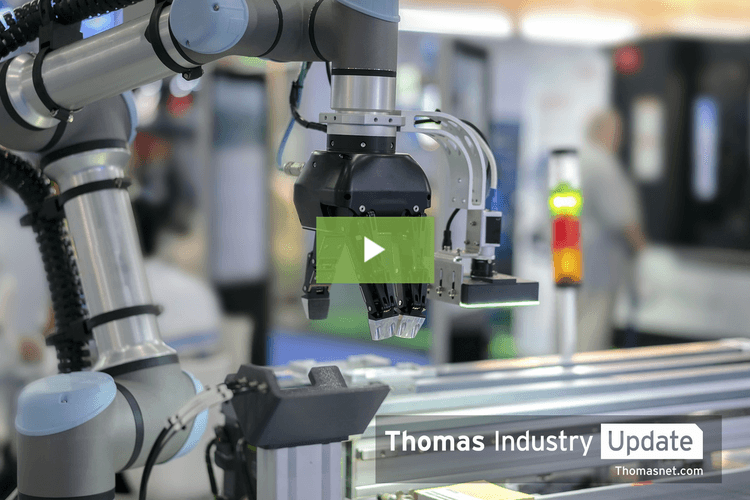
Reuters adds that, while the pandemic was a significant factor, there are other trends driving these new applications as well. From a long term perspective, reduced costs and enhanced flexibility means robots are finding homes outside of discrete manufacturing: a trend that’s likely to continue as pressure to automate persists.