Industrial robots are typically designed to emulate human movements, utilizing their tireless speed, precision and reliability to improve efficiency. As a result, their appearance closely resembles that of humans.
However, there are some robotic applications where human dimensions are not ideal. This has led to recent developments where new robots borrow their look, feel and movement from other living things. While initially a little creepy, the same goal – efficiency – is realized as a result of these unique design features.
First, there’s the Hexa from Vincross. Taking its name from six-legged insects called hexapods, Hexa looks and moves like a really big spider, with three joints in each leg that provide added maneuverability. Additionally, the robot utilizes a variety of sensors and a camera to navigate.
Key to its navigational abilities is locomotion control, which means the legs are not individually controlled. So, when Hexa encounters an obstacle, all six legs work collectively in moving around or over it. The robot, which can be controlled with a phone or other mobile device, is targeted for search and rescue operations in collapsed buildings.
While six robotic legs moving in unison allow for innovative movements on land, an elongated body and motor-controlled tail have been game-changers in performing aquatic tasks. The Envirobot is a four-foot long pollution-tracking robotic eel comprised of multiple, interchangeable modules and propelled by a small electric motor in the tail.
This composition allows it to move or swim like an eel or water snake. Each of these modules house one of three unique sensors. Biological sensors help track water pollution levels, electrical sensors record water temperatures, and chemical sensors test water acidity.
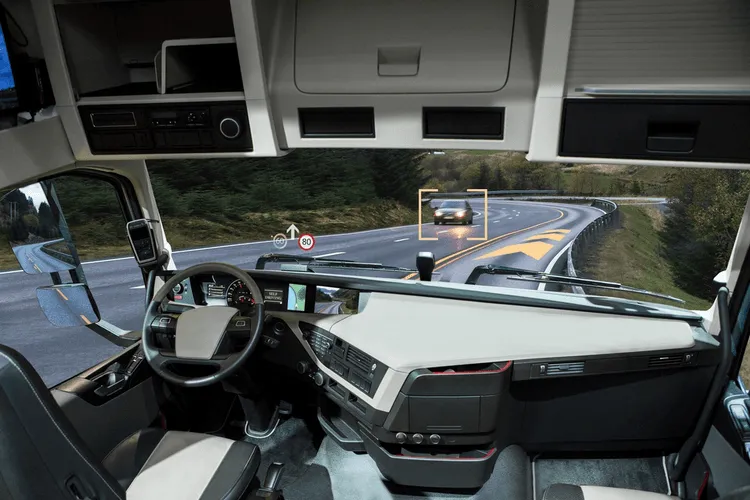
Currently, these robotic eels swim on pre-determined routes in gathering data, but the long-term goal is to operate autonomously in finding new sources of pollution. These capabilities might come from advancements in LiDAR (Light Detection and Ranging), which is the technology driving autonomous vehicles and has been adapted for use in warehouse and inventory management robots that fill orders and replenish work cell supplies.