The onset of the Industrial Revolution in the18th centuryled to a defining transition in the manufacture of products. Before this time, items such as clothing and furniture were produced through individual effort in a domesticated system, where simple tools were used at home to create the desired goods.
The at-home system, was, however, flawed in some ways, as large-scale production of items was not possible, with different outcomes for the same product. The latter half of the18th centurysaw a shift in this mechanism, with the advent of steam and water power, which were used in the automation of processes applied in the factory system.
The History of the Factory
First usedin England in the textile industry, the use of mechanical processes would soon spread to countries such as the United States. The first factory established in the United States dates back to1790 when Samuel Slater came from England and constructed a factory to produce yarn.
Towards the end of the 18th century, the idea of interchangeable parts was introduced by Eli Whitney. The concept, used initially in the firearm industry, ensured that parts of the firearm were manufactured to precise specifications. Replacement of any part could be carried out using elements from any other gun of the same design and also resulted in reduced production times. The introduction of interchangeable parts formed the basis for mass production.
As the factory industry continued to grow in the 19th and 20th centuries, manufacturing systems followed suit and improvement in the range of goods produced followed. Initially focused on the textile industry, factories would produce machines, steel girders, railroad tracks, and eventually vehicles. The introduction of the assembly line occurred in the year 1901 when Ransom Olds patented the idea, enabling his car production output to increase by 500% in a single year.
The evolution of the factory was seen to be a positive trend as profits increased during this time; goods became more readily available and cities flourished from the generation of income from factories. However, this boom didn’t come without costs: air and water pollution were rampant and unregulated, and labor abuse became even more common.
Workers were subjected to dangerous conditions and long hours, with children and women mostly used as members of the labor force. The terms child labor and sweatshops became synonymous with factory work, as well as low, barely livable wages. As a result, trade unions were established in the second half of the 19th century as a means of improving working conditions and advocating for workers’ rights.
The Current State of the Factory
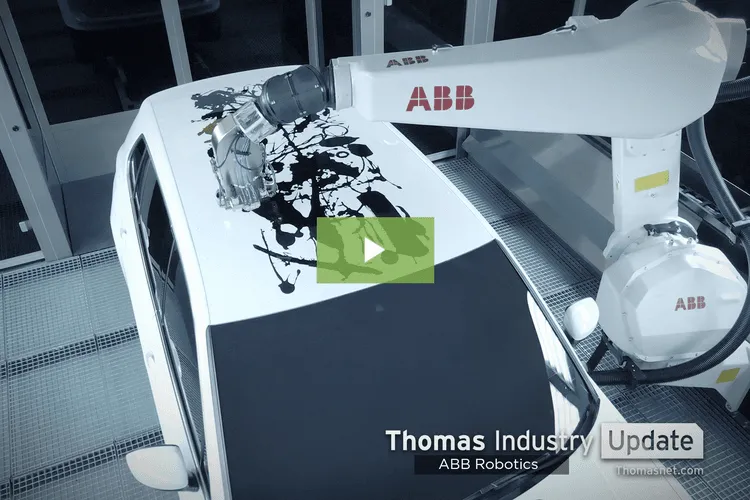
During the 1950s and 1960s, experiments were undertaken to investigate the implementation of robotics into the factory industry, with companies like General Motors successfully applying robotic arms to its assembly line.
Continued technological advancements, including the use of robotics and automation, have resulted in safer and less strenuous working conditions for factory employees as well as the creation of new job positions that are not as traditionally labor-intensive. A study byUC Berkeley in 2018showed that environmental regulations have also led to a decline in the amount of pollution produced by factories.
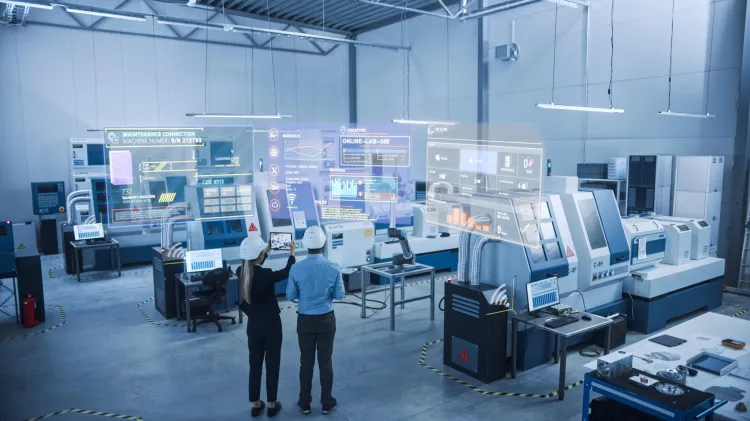
Today, the Factory of the Future is gaining traction amongst manufacturers. The implementation of innovative technology, such as the Internet of Things (IoT), communication between machines, and cutting-edge analytics, provide opportunities for growth and maximization of profits. Although relatively new in the execution stage, the Factory of the Future aims to reduce costs, enhance the rate of production, and create exciting new job prospects.