
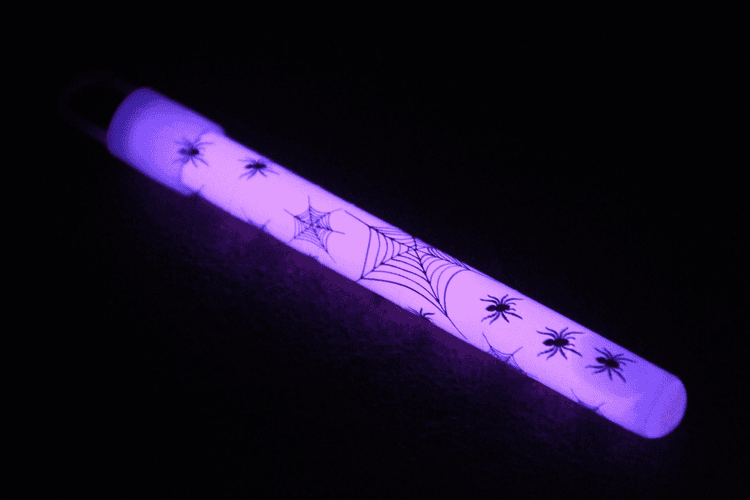
Have you ever wondered why things glow in the dark? In the wild, there are some animals, like fish, insects, and platypuses, that have developed fluorescence and bioluminescenceproperties, making them glow-in-dark. Glow-in-the-dark products, such as funky stars for children’s bedroom ceilings, glow sticks, and safety ropes, use luminescence to glow.
What is the science behind these types of glow-in-the-dark products?
The Science Behind Glow-In-Dark Products
Luminescence makes items glow in the dark. Unlike paper, wood, or charcoal, which gives light when burning, items using luminescence discharge light without heat.
Glow-in-the-dark products contain phosphors, a substance radiating light when energized. Many chemicals are phosphors with various colors, brightness, and time.
Luminescence is available in multiple forms, such as photoluminescence, chemiluminescence, bioluminescence, and radioluminescence. Every type is created differently.
4 Main Types of Luminescence
1. Bioluminescence
Bioluminescenceis a light emitted through a chemical reaction within living organisms. These creatures can be located across marine habitats like ocean surfaces and the deep seafloor. When it comes to harnessing light from creatures with bioluminescence for products, 19th-century coal miners used to trap fireflies in jars to use them as lanterns.
2. Chemiluminescence
Also called chemoluminescence, chemiluminescenceis light emission due to a chemical reaction. One common example is the glowstick which requires mixing chemicals to glow.
3. Photoluminescence
Photoluminescence is light emission from atoms or molecules that absorb electromagnetic energy. Some examples include phosphorescenceand fluorescence materials. The plastic glow-in-the-dark star kits you place on your ceilings or walls are photoluminescence-based products.
4. Radioluminescence
Radioluminescence is a phenomenon where products produce luminescence by ionizing radiation, including beta particles. Unlike photoluminescence and chemiluminescence, you won’t find many products at stores using radioluminescence.
Takeaway
Photoluminescence and chemiluminescence are behind a wide variety of glow-in-the-dark items. The distinction between photoluminescence and chemiluminescence is that of a chemical reaction. While chemiluminescence produces light as a result of chemical reactions, photoluminescence doesn’t require a chemical reaction to emit light.
Glow-in-the-dark products are safe to use, provided you follow the precautions and keep chemicals inside. Now you know why different toys and Halloween products glow in the dark, so choose freely!
Find out how the U.S. Air Force may use bioluminescence in future missions here.