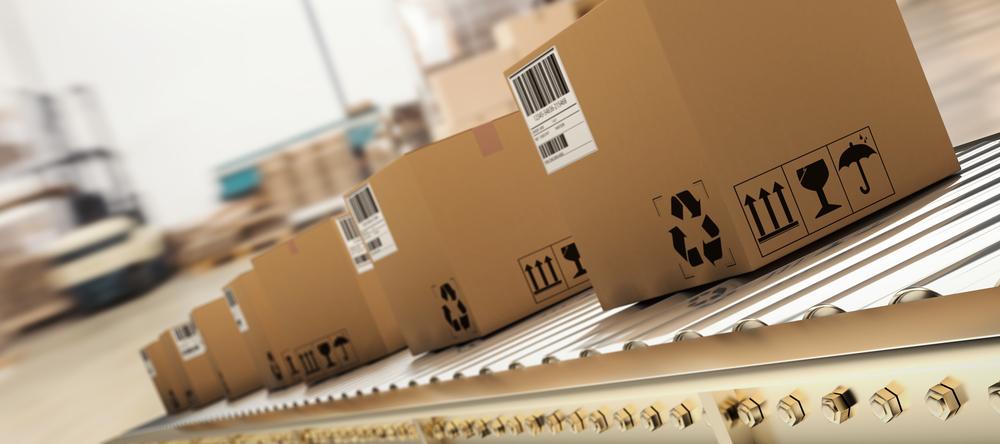
Whether transporting life-saving medicine or a family picnic, passive packaging is a cold box that keeps it safe. There are two elements to passive packaging: an insulated container and a cold supply, such as gel packs, dry ice, or other phase change materials (PCMs) that stabilize temperatures.
With modern packaging materials and PCMs, passive packaging solutions achieve a wide range of temperature control between -94 to 77 degrees Fahrenheit for48 to 120 hours. With its range of abilities, passive packaging is used across various industries, including electronics, medical, and consumer goods.
Why Use Passive Packaging?
Three types of packaging exist: passive, active, and hybrid packaging. Active packaging requires energy to achieve thermostatic control, while hybrid systems use temperature-control technologies and PCMs to maintain product quality.
Passive packaging aims toprevent and attenuate“the transfer of heat energy between the inside and outside of the packaging barrier.” Passive packing materials are designed for insulation, thermal stability, and product protection.
In addition to a PCM, such as dry ice, passive packages employ numerous technologies, including low-density foams and heat-reflecting barriers.
Types of Passive Packaging Materials
One of the most prevalent insulation materials for food and pharmaceuticals,foamy EPSis a low-density, closed-cell structure that obstructs heat transfer becauseair is a good thermal insulator, especially when air pockets are separated.
Though cheap and lightweight, EPS sheds microplastics and is becoming less common due toecological concerns.
Also anenvironmentally unfriendly foam, PUR is expensive, space-efficient, and an excellent insulator. PUR comprises millions of microscopic air bubbles per square inch, topped by an “ultra-radiant barrier film” to reflect radiating heat.
VIPs can achievetwo to three times the thermal autonomyof other cool-packing materials. A newer alternative, VIPs have been used since the early 2000s in various industries, including aeronautical, medical, marine, construction, automotive, and commercial.
VIPs protect parcels with high porosity, containing many small gas-filled cavities.
Medicines, vaccines, and other pharmaceuticals must be protected from heat, mechanical stress, or particulate contamination. An ideal solution,pharmaceutical-grade glassresists heat, cracking, and chemical degradation.
Passive packaging is a two-piece formula containing an insulating material and a PCM. PCMs are highly efficientstores of thermal energy, valuable for cooling or heating. These materials change phases and eitherrelease or absorb heat as they solidify or melt.
Benefits of Passive Packaging
Compared to active and hybrid packaging, passive containers are the lightest, simplest, and most mechanically fail-proof, with the fewest potentialities for malfunction. Plus, passive packages do not need an energy source.
Passive packaging requires less maintenance and fuel use, which yields asmaller environmental footprint. Passive materials like paper and natural fibers are sustainable, and containers may be reused.
As the term passive indicates, these containers don’t use active systems for temperature control, making them cheaper, simpler, and more failsafe.
Elaborate, powered temperature control systems aren’t needed for passive packaging. Passive packages can sustain sub-zero conditions for multiple days.
The cold supply chain spans globally, and products must be stored to maintain safety and function. Passive shipments are a cost-effective and easy way of lengthening product lifespans.
Passive Packaging Is Invaluable in Numerous Industries
Passive packaging serves various industries. Food and beverages, medicine, pharmaceuticals like vaccines and insulin, and electronics are shipped in temperature-controlled conditions.
Passive packaging is among the most effective ways to boost sustainability in transport, achieve safe long-term storage, and share cost savings throughout the supply chain.
Limitations of Passive Packaging
Passive packaging cannot compete with active packaging in terms of thermal accuracy. Thanks to its powered refrigeration system, the latter can achieve much narrower temperature ranges for extended periods. Of course, specifics depend on available technology and each company’s financial feasibility.
Passive packaging is a race against time: the packed PCM must keep the contents chilled until arrival, which delays can beset. Shippers can increase the amount of refrigerant to extend a product’s freshness or function further, but this practice may only be feasible to a certain point.
Passive shipping items may incur restrictions depending on their chosen PCM. Custom PCMs may pose toxicity hazards and transport limitations if they are needed for time or temperature constraints.
Is Passive Packaging the Right Choice?
Product compatibility can be a concern regarding passive packaging, as passive containers are limited in their ability to withstand time and accurately maintain narrow temperature ranges. Additionally, refrigerants like dry ice might berestricted in airfreights or require replenishment.
To prepare temperature-controlled packaging, pre-conditioning of PCMs and assembly may take longer with passive shipping. As well, stock control and operability inspections may be warranted before a passive container can be reused.
Applications of Passive Packaging
Pharmaceuticals are bio-active, which is beneficial for their efficacy but not for their fragility. Passive packaging can maintain proper product temperatures forpharmaceuticals and biologicsacross the global cold chain.
Food and beverages demand low temperatures to prevent spoilage. Passive packaging accomplishes this while reducing weight, energy use, and costs.
Passive shipments convey liquid, dry, and high-purity chemicals, like high-value temperature-sensitive adhesives.
The sensitivity and delicacy of modern electronics necessitates safe, temperature-controlled transport.
In addition to pharmaceuticals like insulin, plasma, or vaccines,medical devicesare indispensable. Yet, unlike biological products, medical devices are kept at room temperature to prevent excursions of heat or cold.

Establishing a Cooler Supply Chain
The cold supply chain depends on risk management. Can an item be safely, reliably, and passively shipped? If so, the cost savings can be significant.
Other volume shippers can benefit in multiple ways: saving on shipping costs, reducing freight weight, and avoiding complications associated with custom packaging.
The reusability and lower resource demand of passive shipping can also help companies adopt more sustainable operations — and what’s cooler than that?