Robotic advancements seem to be received with equal parts excitement and trepidation. On the manufacturing front, this means balancing between gains in efficiency and threats to replacing humans with machines that eliminate jobs. Regardless of your stance, this technology continues to move forward, with the latest advancement showcasing the creation of artificial material that is closer to human muscle than ever before.
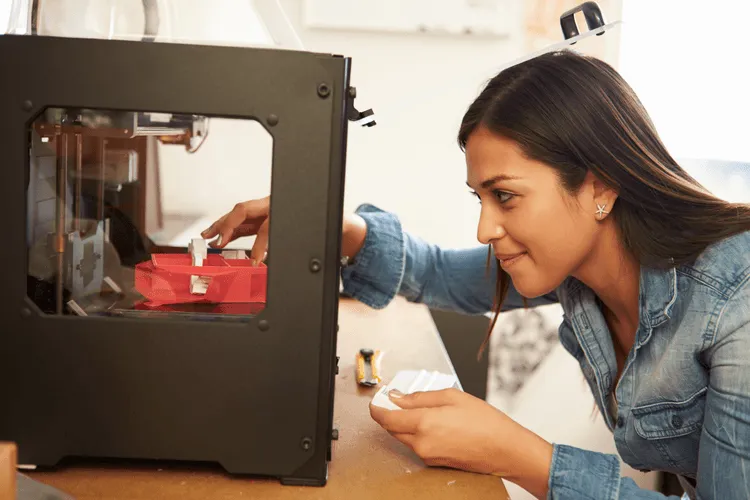
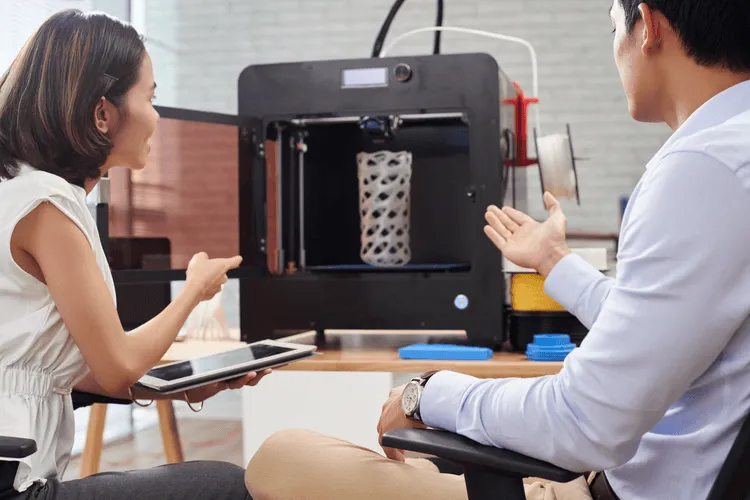
Falling under the category of soft robotics, researchers at the University of Columbia’s Engineering department recently 3D printed synthetic tissue that can mimic muscle movements via electrical stimulation. The material utilizes a silicone rubber composition that allows for various mechanical movements and is capable of handling loads up to 1,000 times its weight.
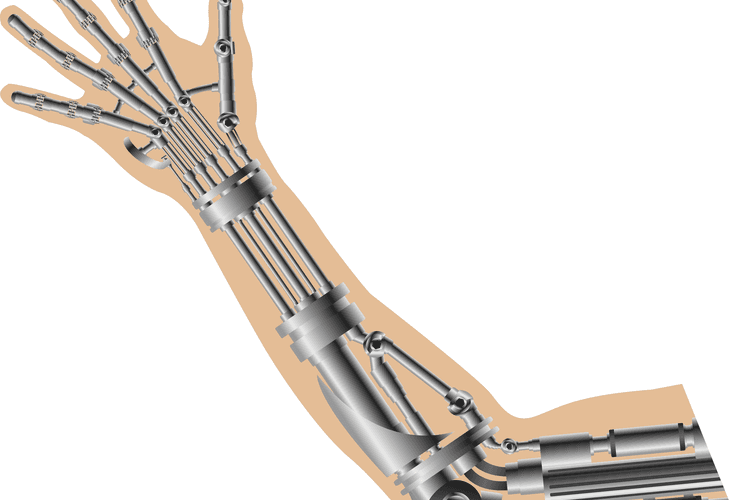
Thisdevelopment translates into opportunities ranging from Terminator-like machine strength to softer robotic handling of delicate materials in medical and bioscience production. This material could also eliminate restrictions resulting from the need to maintain a connection to compressors or high-voltage electricity to improve gripper performance.
Instead, robots could move more freely as their tactile functionality would be enhanced. The grip would naturally be better because of the new material’s properties.
The synthetic muscle is electrically-actuated using thin sections of resistive wire connected to eight-volt power supplies. Stimulating the wire makes the material expand and contract like human tissue. According to the research team, the new material can expand by as much as 900 percent when heated to 80 degrees Celsius.
Next steps call for replacing the wire with conductive materials that will make the muscle movements more fluid. Additionally, incorporating artificial intelligence platforms could allow the machine to “learn” how to control these movements, making it even more natural.