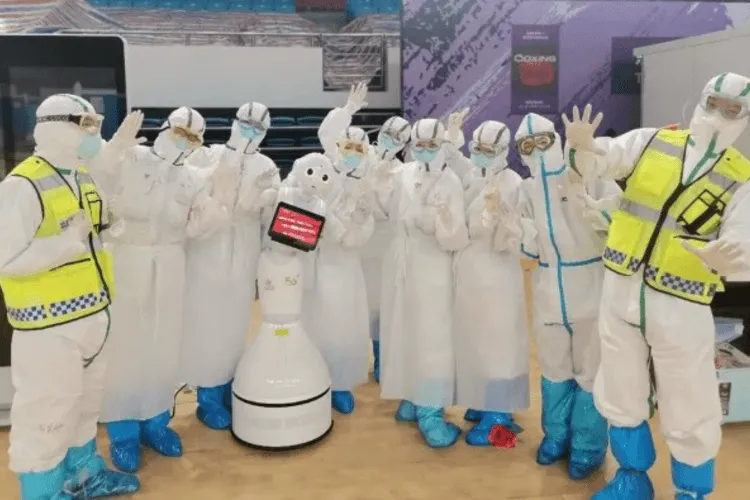
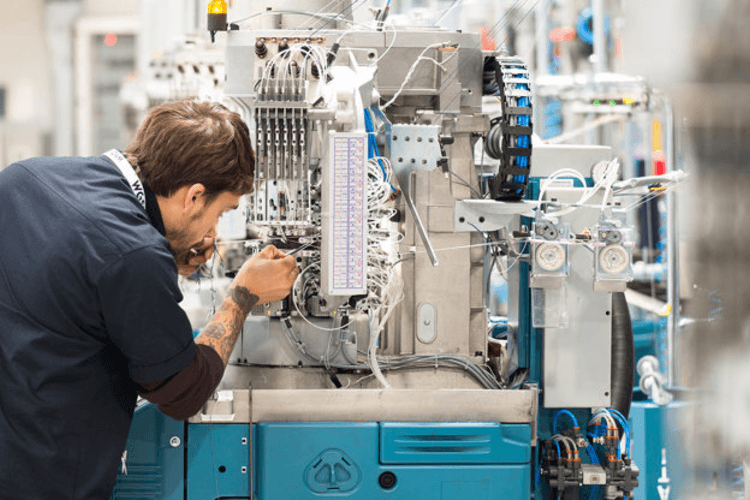
COVID-19 has caused disruptions to nearly every industrial supply chain, creating shortages and increased costs for numerous goods and services. The medical supply industry is being hit the hardest; Consumers are stocking up on products like medical gloves and masks that they wouldn’t ordinarily need.
Among the more obvious shortages lies a less discussed but still dangerous shortage in ventilation and intensive care machines, since the virus can cause inflammation in the lungs and ultimately block oxygen from entering the brain.
While most of these products aren’t compatible with additive manufacturing methods, a Northern Italian hospital found a way to utilize 3D printing to solve one of their product shortages: creating replacement valves for intensive care machinery.
3D Printing to Save Lives
The hospital had reached out to its suppliers when it needed to restock only to discover the supplier itself had run out and wouldn’t be able to get the new stock in time. Instead of preparing for the worst, local newspaper editor Nunzia Vallini reached out to Massimo Temporelli, founder of The FabLab in Milan, to see if there was anything additive manufacturing could do for the cause.
"It would have been incredible damage, some people might have lost their lives,” Temporelli said about the situation in a Facebook post.
On Friday, March 13, Temporelli successfully connected with a local 3D printing company, Isinnova, which was able to bring a 3D printer directly to the hospital. Within a few hours, Isinnova designed and produced a prototype for the missing component. As of March 14, the 3D-printed components were being used on 10 patient machines.
"What a beauty the insights of humans, resourcefulness, and technology!” Temporelli wrote.
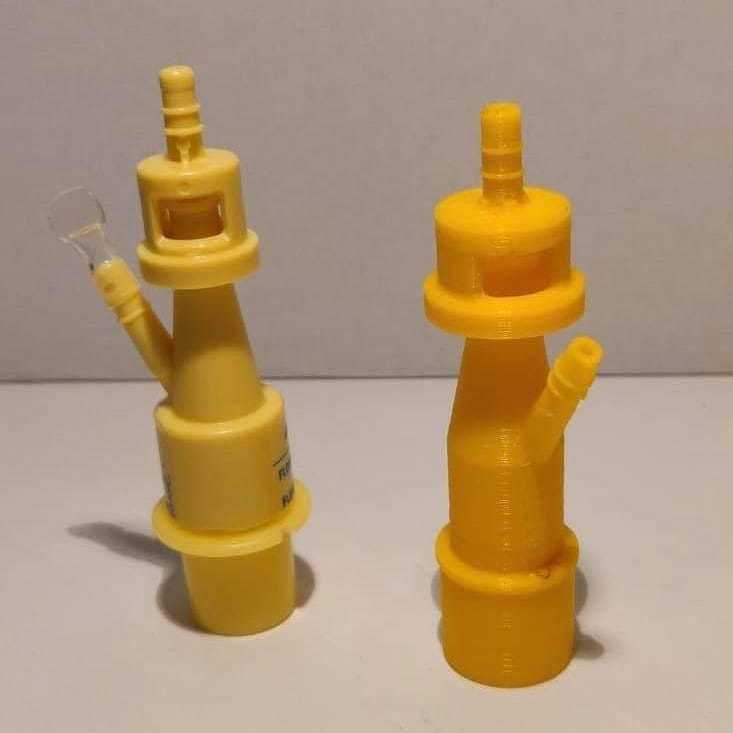
(Massimo Temporelli, Facebook)
According to 3D Printing Media Network, the valve was first produced using a filament extrusion system on location, and then more valves were produced by Lonati SpA, another local firm, using a polymer laser powder bed fusion process.
Using Additive Manufacturing to Solve COVID-19-related Procurement Problems
While this is just the first instance of a creative use for 3D printing to solve a very real COVID-19-related challenge, the limits to 3D printing are virtually endless and could aid in resolving other issues related to the virus in the near future, whether directly related to treatment or a supply chain issue.
According to Additive Manufacturing, U.S. manufacturers could be utilizing additive manufacturing for all types of products that are suffering from shortages during this time.
The site details an actionable guide for American manufacturers who are considering 3D printing components on which they’re running low. Here’s a look into the three-step guide:
- Reengineer the manufacturing process for in-demand parts. At the end of the day, you need raw material and the right tool to produce a part. With a 3D printer, all you need is the raw material and digital design for the part.
- Use stop-gap measures. If your supply chain is suffering from a gap in the middle of the process, consider how you can utilize 3D printing to bridge the gap. Injection mold tooling can be recreated using metal 3D printing, and plastic and composite molds can be printed for short runs.
- Build a supply chain disaster recovery plan. Preparing your supply chain for any kind of unexpected event is key to getting through troubling times. This can mean additional safety stock and maintaining transparent communications with suppliers and buyers on what they can expect during recovery.