This article was sponsored by Paradigm Manufacturing, a company that offers 3D printing, prototyping, and consultation services.
Paradigm Manufacturing was founded in 2019 with an ambitious goal: to shift the paradigm regarding the impact of manufacturing on the environment. The company’s innovative approach to 3D printing and prototyping aims to make manufacturing environmentally responsible. In fact, Paradigm Manufacturing has been certified a platinum green company by several agencies.
Paradigm is ISO 9001 and AS9100D certified, and their compliance with ITAR regulations qualifies them to manufacture military parts. As a young small business, everyone at Paradigm has a vested interest in the success of the company. And, as Paradigm’s CEO Robert Moffitt told us, the company is motivated to provide solutions that go above and beyond client expectations.
Thomas Insights (TI): What is the most common question you get from prospective customers, and how do you respond?
Robert Moffitt (RM): The most common question we get from clients is whether we can produce what they need. Most of the time, the answer is “yes.”
Many of our customers admit to having little knowledge of the 3D printing industry. Although some may have an idea of how the final piece should look or what materials should be used, we can propose alternatives, such as cheaper and lighter materials or better designs. Many customers are surprised by these alternatives, and they often state they didn’t know such solutions were possible. This is because many of our clients have backgrounds in other processes — like extrusion — or are unaware of the full capabilities of 3D printing.
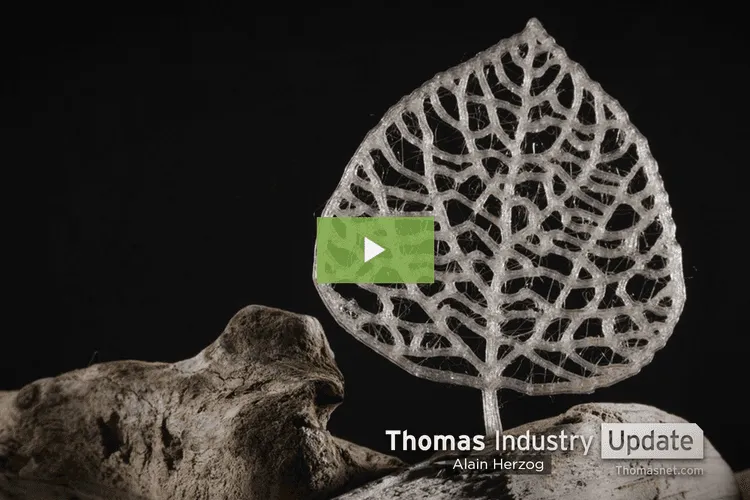
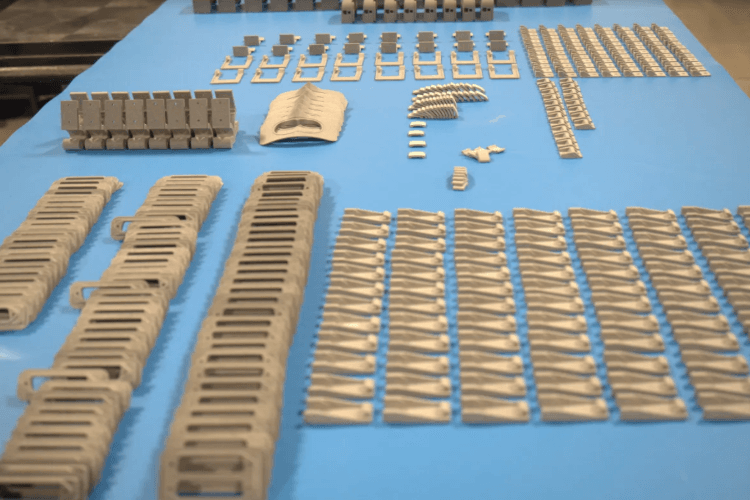
Our powder-based 3D printing services allow us to produce complex parts that cannot be made any other way. These parts often require no additional support structures or further assembly. For example, we made a display piece for our office that consists of several moving gears — the entire piece was printed at once.
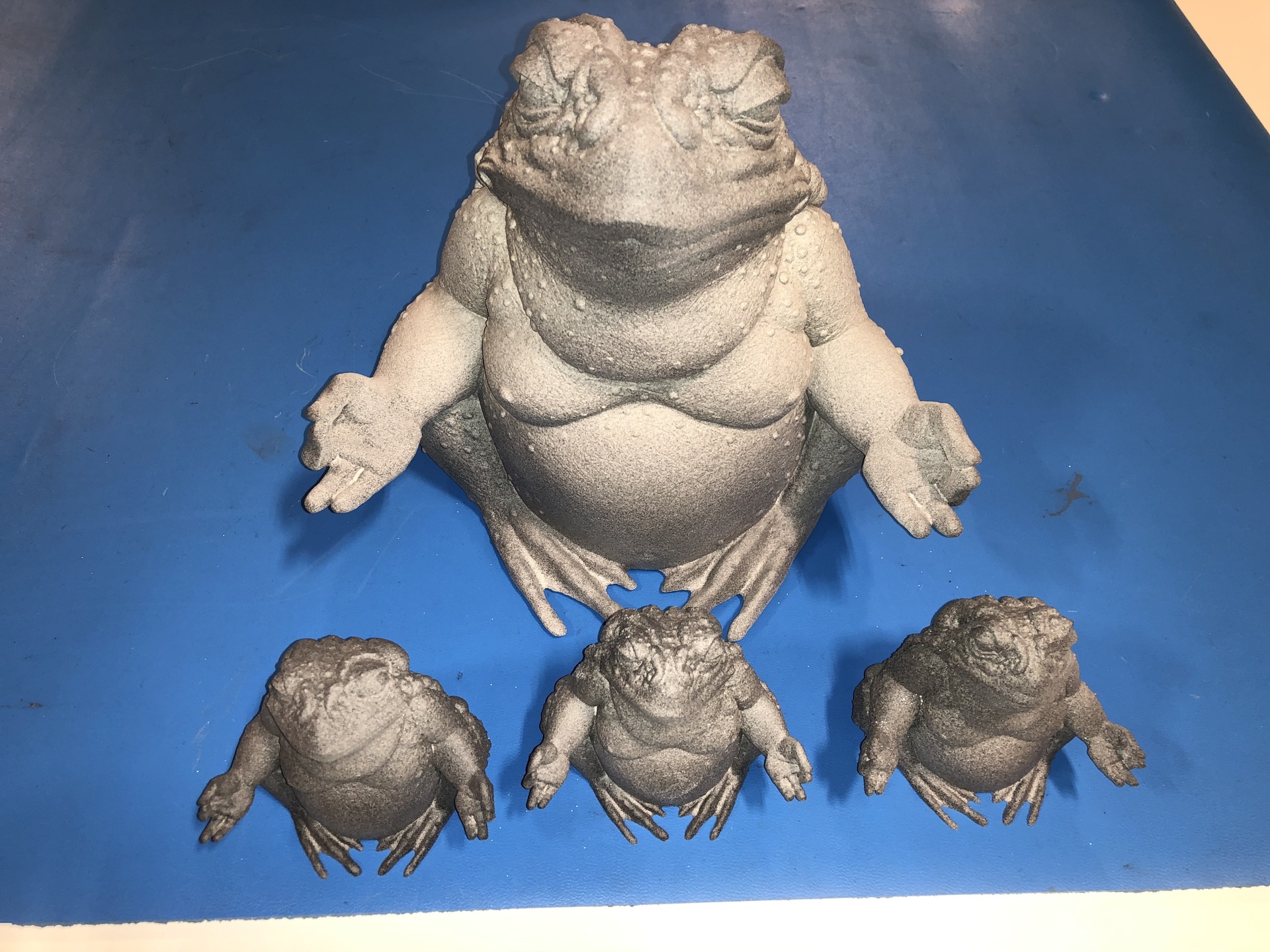
using 3D printing.
TI: Can you share some success stories or case studies where your services helped your customers?
RM: We have delivered both decorative and functional products to clients across multiple industries.
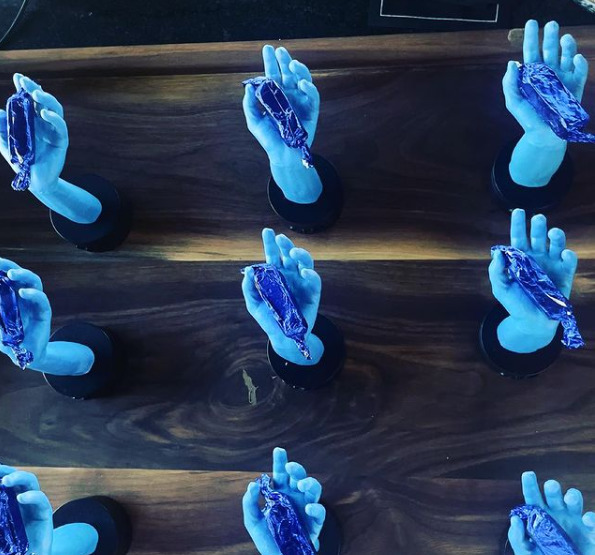
One of our past clients was a tattoo artist who had a clay model that he wanted us to reproduce so he could use it as a display piece. We also worked with a restaurant owner who wanted a 3D-printed hand and forearm to use as a decorative piece. For both these jobs, we used a hand scanner to create the CAD file for each model, and we printed the products using the best materials available. The results were precise and beautiful, and our clients were pleased.
We have also printed replacement parts that aren’t available elsewhere. One client contacted us about a replacement part for a CD player. Our team successfully recreated the missing component, which measured precisely 4 mm. Another client needed a replacement part for a shredder. We delivered the part and saved the client $400 in replacement costs.
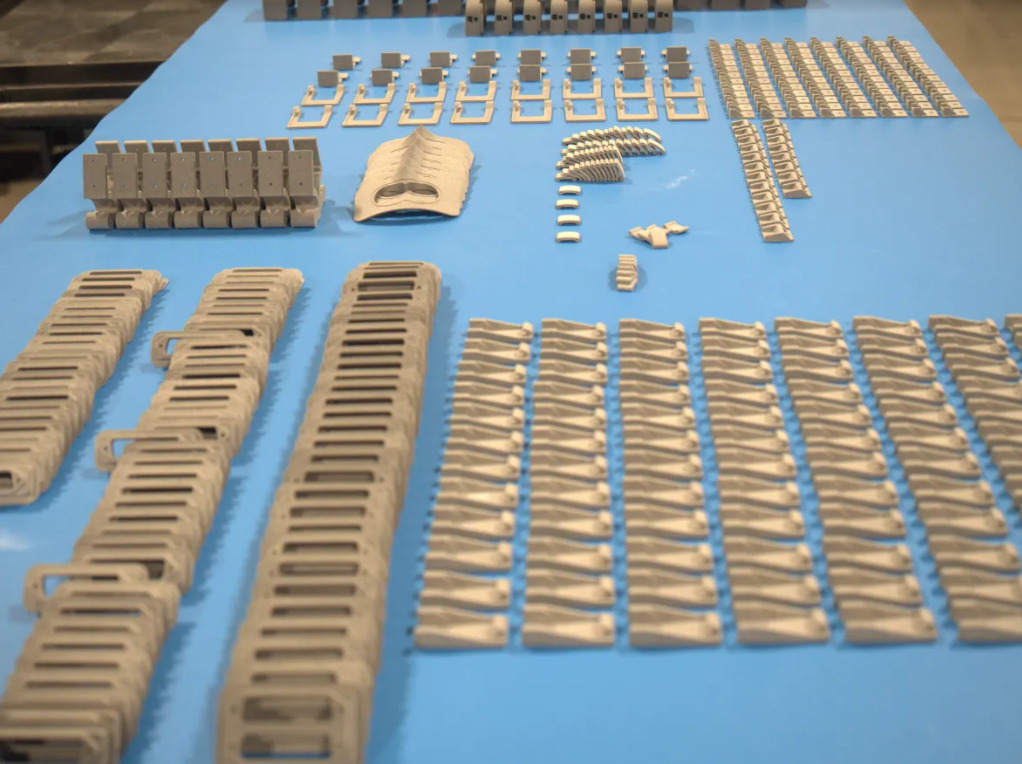
We also helped a drone company print 3D parts, including support structures to hold electronics. We delivered 40 unique parts (100 copies of each), and they were so satisfied that they referred us to several other drone companies in Arizona.
TI: What’s something that isn’t widely known about your business that you’d like to highlight?
RM: Paradigm is the first company in Arizona to own and operate AMT’s PostPro 3D Vapor Smoothing machine and the first in the state to be certified by Autodesk Fusion 360.
We provide a range of services beyond additive manufacturing. We provide in-house design, prototyping, and product development services to turn clients’ ideas into commercially viable products. We can produce up to 10,000 customized individual parts, and we charge a one-time setup fee. This means that a returning customer can come back years later to have the same part reprinted, and we will not charge another setup fee.
We also pride ourselves on innovation and adaptability. If we don’t have a material or service requested by a client, we experiment with new technology and materials to come up with a solution. As a result of our experimentation, we recently added silicone to our material offerings.
TI: What trends are you seeing in your industry, and what are you doing to stay ahead of the curve?
RM: Most additive manufacturers focus on a very limited number of services and materials. We maintain a fully staffed R&D team for the specific purpose of exploring new materials and technologies, as well as new ways to use existing materials and technologies. We stay ahead through unorthodox thinking, experimenting, and pushing current technological limits.