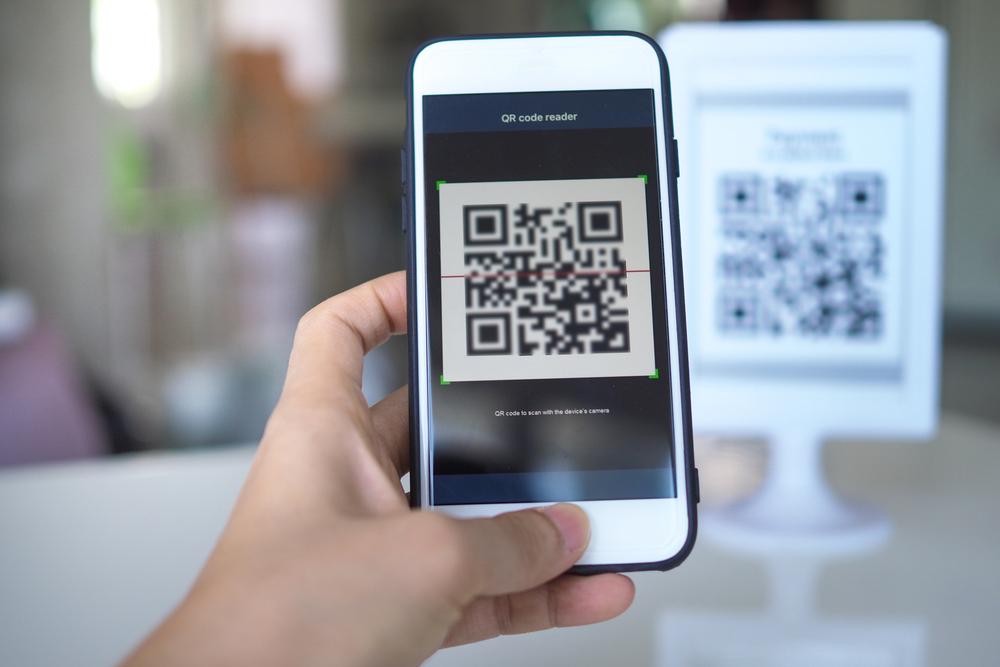
According to Business Insider, the number of U.S. smartphone users who regularly scan Quick Response (QR) codes will rise from 83.4 million in 2022 to99.5 million by 2025. Modern consumers want to know more about the products they buy, and product packaging QR codes represent the ideal way to deliver this information.
More than just a passing trend, QR codes on product packaging are changing the game for how companies keep an eye on their products, manage the supply chain, and interact with customers. These small, square-shaped barcodes deliver a wealth of information to manufacturers, retailers, and their customers.
In particular, QR codes on products promote traceability, which is very important in the food and medicine industries. By incorporating QR codes, manufacturers can make sure they are following regulatory guidelines, keep their products up to standard, and deal with any problems that may arise. Here’s everything you need to know about a URL QR code and how it works.
How QR Code Packaging Works
To make a dynamic QR code, manufacturers rely on a special tool called a QR code generator. They just type in what they want the QR code to show, and the tool turns the data into one of those little square codes.
Brands can put all sorts of details in a QR code. Some common types of QR codes include:
Businesses today are using these QR codes in marketing campaigns because it’s an easy way for people to interact with them. Users can scan a code to quickly get to a company’s Facebook or Instagram, snag a deal on their next purchase, or even learn where the product came from.
When it comes to putting these codes on products, there are a few ways to do it. They can be printed right on the package or stuck on as a label. You can even incorporate QR codes into the package design. The great thing about dynamic QR codes is that the information they link to can be changed without needing a new code.
Benefits of QR Code Packaging
QR code packaging provides a plethora of benefits to manufacturers, supply chain partners, and end users. Some key benefits include:
QR codes facilitate real-time tracking of goods as they progress through the supply chain. This functionality provides manufacturers with enhanced visibility and transparency, enabling them to make decisions based on timely, relevant insights.
QR codes can be used to trace the movement of goods from their origins to their final destinations. Increasing traceability through QR codes helps manufacturers prevent counterfeiting and theft. When you create QR codes, they can double as a seal of authenticity, as they are incredibly difficult to duplicate.
In the case of a recall or quality issue, QR codes allow for quick identification of affected products. Instead of casting a wide net and recalling safe products, manufacturers can pinpoint which lot numbers and shipments were impacted. This allows for a more efficient and targeted recall process.
Consumers can interact with products in new ways, accessing information about the product, its use, or even the brand’s story. Adding QR codes to product packaging satiates the modern consumer’s desire to know more about the products they buy. Brands should capitalize on this opportunity by linking engaging content to their product QR codes.
Replacing antiquated tracking strategies with QR code-based alternatives reduces paperwork and manual processes. QR codes pave the way for significant savings and promote better operational efficiency.
Challenges and Limitations of QR Code Packaging
While there are numerous benefits associated with QR code packaging, there are also some limitations that manufacturers need to be aware of, including:
Getting consumers to consistently scan QR codes remains a challenge. Therefore, brands must incentivize QR code scanning by linking them to engaging content, discount codes, and other intriguing resources.
QR codes depend on digital infrastructure and are not foolproof. Typos and other seemingly minor errors could negatively impact scanning capabilities or data retrieval. In addition, misprints or other labeling problems could render QR codes unscannable.
Implementing QR code systems involves initial costs and infrastructure upgrades. These expenses may discourage some manufacturers from embracing QR code technology, especially if they have reservations about the demand for such technologies.
There’s a need for standardization in how information is encoded and decoded, as well as regulatory considerations in different markets. Manufacturers must ensure that their use of QR codes aligns with federal and international regulations to avoid compliance concerns.
Case Studies of Successful Implementation
There are numerous instances of successful QR code implementations within the food and pharmaceutical industries. For instance, Unileverimplemented QR codeson the packaging of Knorr products, its sustainable living food brand, to establish food traceability. In doing so, Knorr regained lost market share in the target market and gained deeper insights into consumer behavior.
As for the pharmaceutical industry, Pfizer is leading the way inQR code implementation. The global brand has rolled out a QR code-based serialization and traceability system, which helps it maintain compliance with theDrug Supply Chain Security Act.
For both entities, QR codes improved supply chain management and enhanced the consumer experience. Additionally, QR codes increased product traceability, which is critical to both consumer safety and quality control.
The Future of QR Code Packaging in Manufacturing
Right now, brands mostly use QR codes to keep track of where products come from. In the future, manufacturers will make QR codes even more useful by connecting them to fun, interactive content like augmented reality or personalized offers.
Soon, these codes could also do things like help with advertising, get opinions from customers, or be part of special rewards programs. The information brands obtain from scanning QR codes can help them make smarter choices, predict future trends, and better manage their products.
QR code packaging is really changing the game by linking up our online world with the physical things we buy. As technology improves, the way companies, shops, and consumers use QR codes is going to keep changing and improving as well. The possibilities for what QR codes can do in the future are pretty much endless.