Tires are the essential point of contact between your car and the road, making them one of the most important vehicle components. Key tire functions include safety, performance, and efficiency. Rubber tires represent the most common type of tire construction, but tire manufacturers have been exploring innovative ways to improve performance, durability, and rolling resistance.
Below, we do a deep dive into car tires, light truck tires, and heavy-duty tires; exploring everything from rubber compounds to tread patterns and more.
Global Tire Manufacturing Landscape
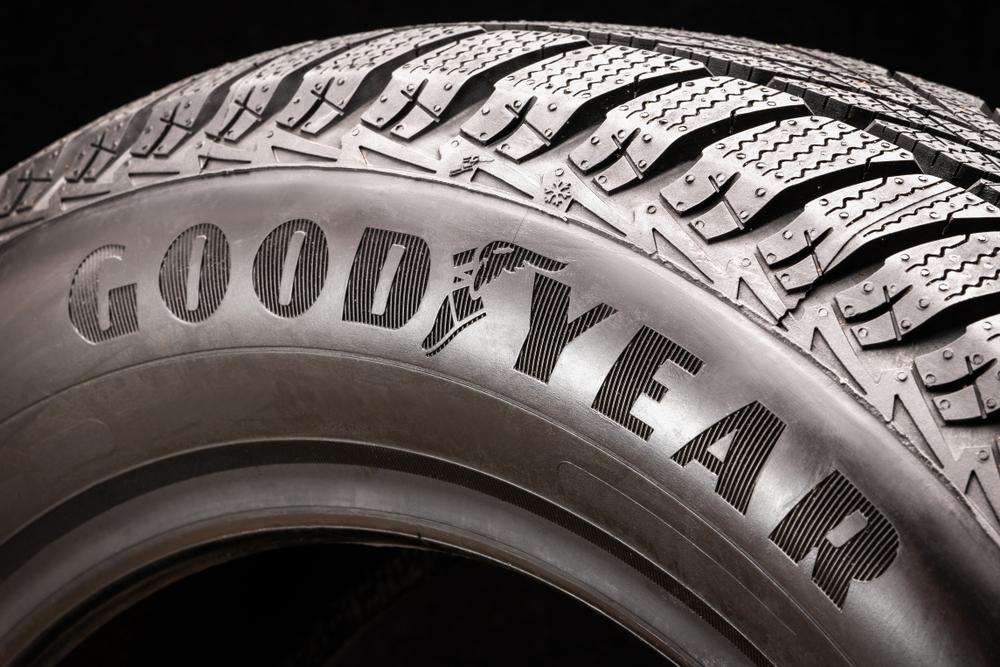
The global tire industry is a dynamic, evolving sector marked by the presence of leading manufacturers like Michelin, Goodyear, and Bridgestone. These giants constantly push the boundaries of technological advancements. The companies drive market trends with innovative wheel rim designs, synthetic rubber materials, and a willingness to literally reinvent the wheel.
Car and truck tires come in a wide range of styles, sizes, and materials. The average tire manufacturer has moved away from natural rubber in favor of synthetic compounds. Now, many tires are made from synthetic rubber, kevlar, and others.
Common tire types include:
When exploring different tire types, you need to consider where you live, the weather conditions there, and your driving habits. The type of vehicle you drive plays a major role, too. Putting off-road tires on a low-to-the-ground coupe would result in a bumpy and unpleasant driving experience. On the flip side, installing low-profile performance tires on a heavy-duty truck could leave you literally stuck in the mud.
Sustainability is increasingly becoming a priority in tire manufacturing. Eco-friendly tire materials, such as synthetic rubbers and renewable resources, are being adopted to reduce the environmental impact. Tire recycling initiatives are turning old tires into a range of new products, from playground surfaces to road-paving materials. Green tire manufacturing practices aim to minimize waste and energy consumption, paving the way for sustainable tires to become ubiquitous across the globe.
Choosing the Right Tire for Your Vehicle
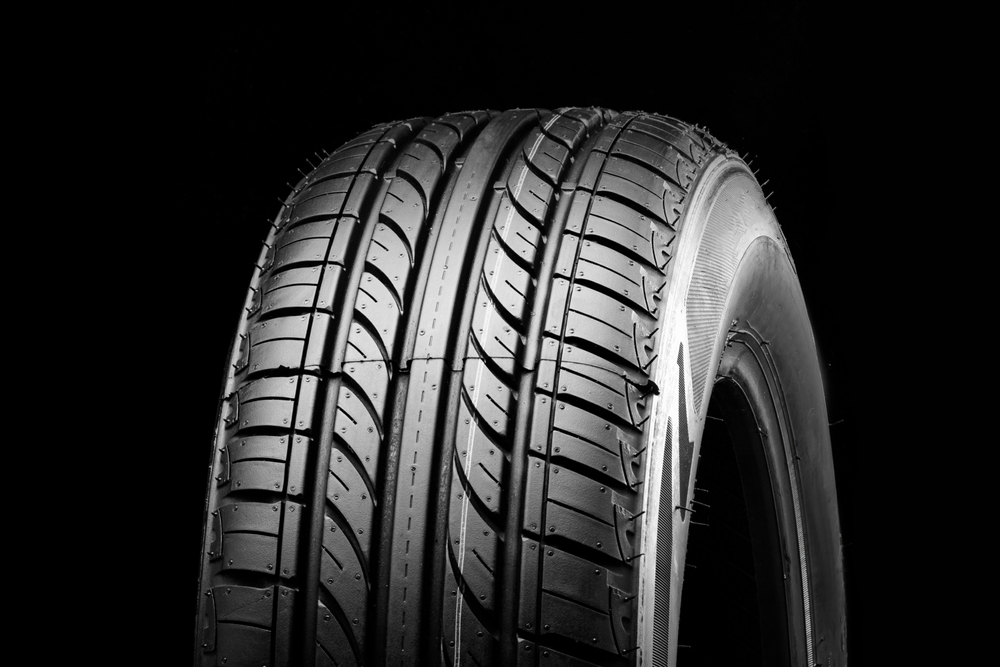
Selecting the right tire design for your vehicle is crucial for optimal performance and safety. Factors influencing tire choice include:
During tire selection, ensure that the tires you choose will provide an optimal driving experience. Just because a tire will fit on your vehicle does not mean it is the best choice. For instance, if you live in a warm climate that rarely sees snow, you probably don’t need a winter tire. Instead, consider a touring tire that offers good traction and is resilient to warm, humid climates.
Maintenance Tips for Prolonging Tire Life
Proper tire maintenance is key to extending the life of your tires and ensuring safety. Regularly check tire pressure to ensure your tires are adequately inflated. If underinflated, they can experience uneven tread wear, reduced stopping power, and other performance issues. Overinflated tires can be dangerous, too, so stay within manufacturer-recommended ranges.
Also, schedule a tire rotation with every oil change to reduce uneven tread wear. If your vehicle seems to be veering to one side or the other, consider an alignment. This will further extend the life of your tires.
Tire Safety: A Crucial Aspect of Road Safety
Tire safety is an integral part of overall road safety. Preventive measures like regular tire inspections can prevent accidents by revealing issues like tread wear, damage, or underinflation. Most importantly, don’t put off replacing your tires. If you notice significant tread wear on your passenger tires or driver-side tires, replace them right away to protect yourself and others.
The Economics of Tires: Longevity and Cost Considerations
When it comes to tires, budget considerations such as tire lifespan and value for money are important. Understanding the balance between the initial cost and the longevity of the tire can help you find cost-effective tires.
According to Consumer Reports, high-scoring all-season tires can last between55,000 and 85,000miles. Less expensive tires will not hold up nearly as well, providing somewhere in the neighborhood of 30,000 to 45,000 miles of safe service life. The lifespan of your new tires will further vary based on factors like vehicle weight, driving habits, climate, and environmental conditions.
Legislation and Standards in Tire Manufacturing
The tire industry is governed by stringent regulations and safety standards to ensure quality and reliability. These tire industry regulations encompass everything from manufacturing processes to final product testing, ensuring that all tires meet rigorous safety and performance criteria before they hit the market.
If you want premium tires, review the manufacturer and model’s quality certifications. These are good indicators that the tires will meet your expectations.
However, less well-known brands also have to adhere to tire industry regulations, which means that they should be considered safe as well. Keep that in mind if you need a more budget-friendly option.
Future-Forward: Innovations in Tire Technology
Future tire technology is exciting, with innovations like smart tires that offer real-time data on tire health. Airless tires are another game-changer. They promise to eliminate punctures and drastically reduce the likelihood of blowout-related accidents.
Sustainable innovations are also just over the horizon. They aim to reduce the environmental impacts of the tire industry.
From the rubber hitting the road to the intricate manufacturing processes and forward-thinking innovations that are propelling the industry forward, tires are a vital component of our vehicles and daily lives.
Understanding basic information about your tread pattern, tire types, maintenance, and the evolving landscape of technology will enhance your driving experience and help you stay safer every time you get behind the wheel.