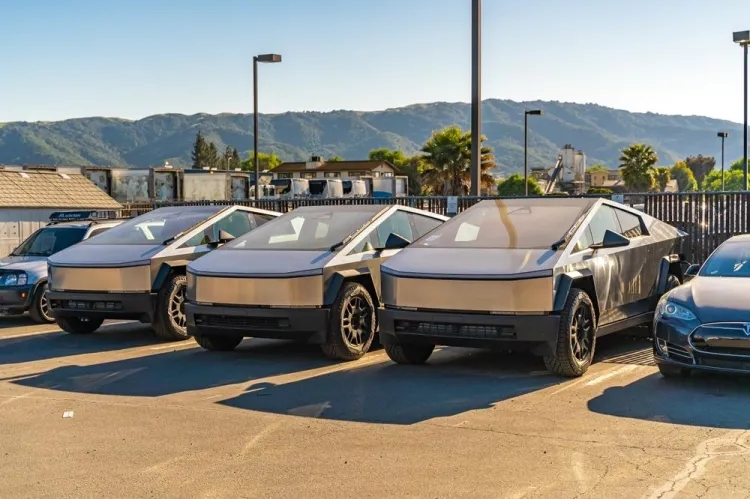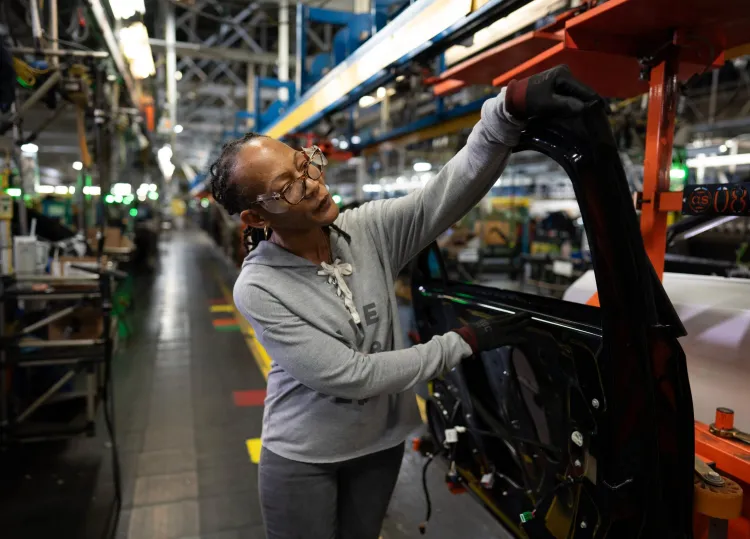
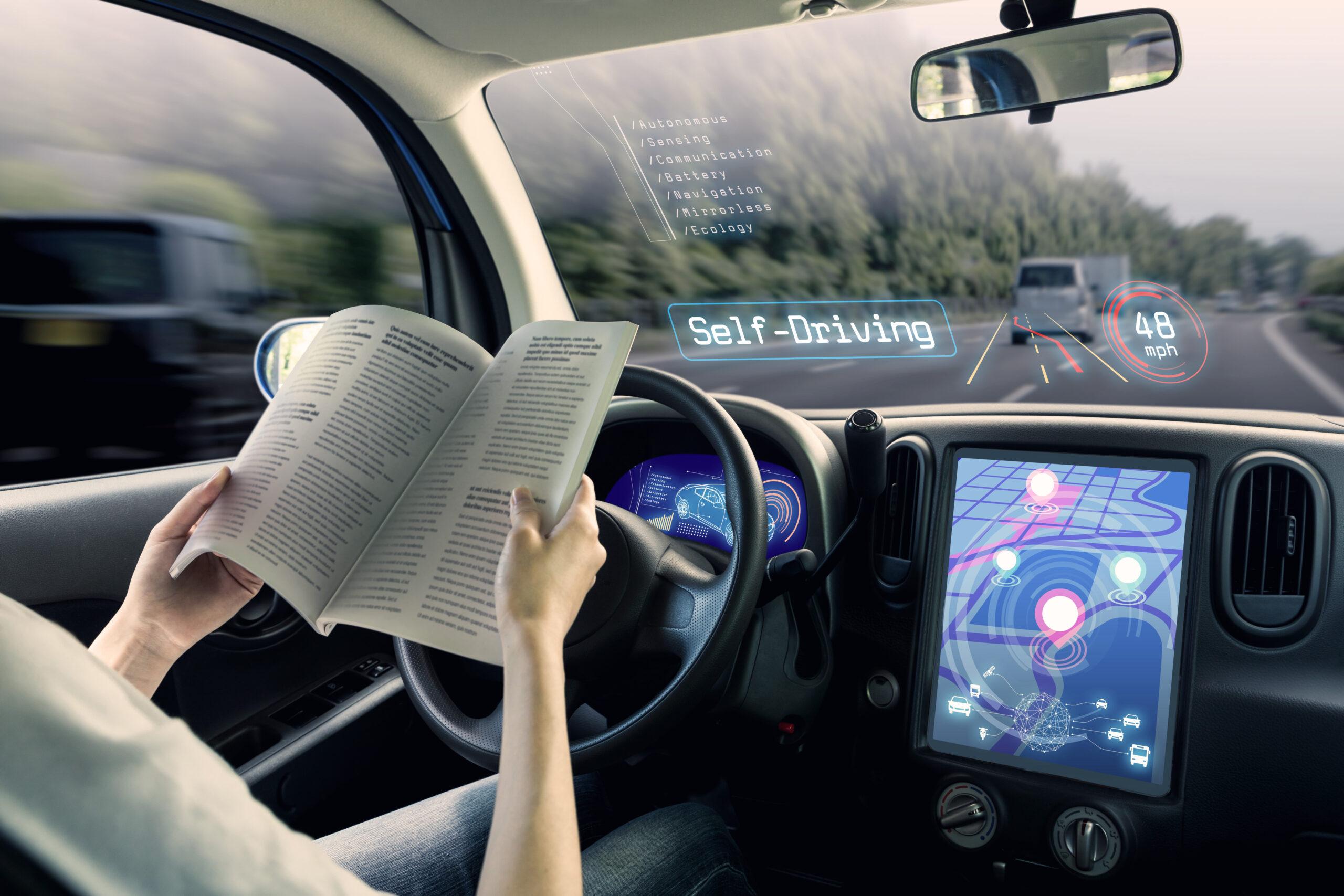
It’s projected that the global electric vehicle (EV) and autonomous vehicle markets could create revenues of $624 billion and $400 billion by 2035.
But despite the enormous growth expected in both sectors, Driving Progress: Xometry’s 2024 Automotive Manufacturing Survey suggests that the automotive industry is directing a good deal more of its attention towards EV development, while attitudes towards self-driving vehicles are decidedly weary.
Let’s examine the current state of affairs, before addressing the factors that might be stalling investments in autonomous vehicles.
The Current State of EVs and Autonomous Vehicles
Xometry’s 2024 Automotive Manufacturing Survey survey exposes the concerns of some automakers regarding the gap between existing EV innovations and the 2032 target set out by the Biden administration, which requires two out of every three vehicles sold in the U.S. to be electric.
Nonetheless, auto industry executives are generally optimistic about the future of EVs. More than $106 billion was pledged to global EV-related projects in 2022, and in the first half of 2023, sales of EVs grew by 49% to 6.2 million units. Furthermore, the U.S. has become one of the fastest-growing EV markets worldwide. Tesla, BMW, Hyundai, and Volkswagen are among the biggest investors in the EV industry.
The rise of fully autonomous vehicles, by contrast, is slower and less linear.
Some manufacturers are pivoting from the development of fully autonomous self-driving vehicles to ones that focus on “conditional driving automation.” This technology enables vehicles to drive autonomously within specific and safe conditions, but requires human interaction and intervention for the majority of operations.
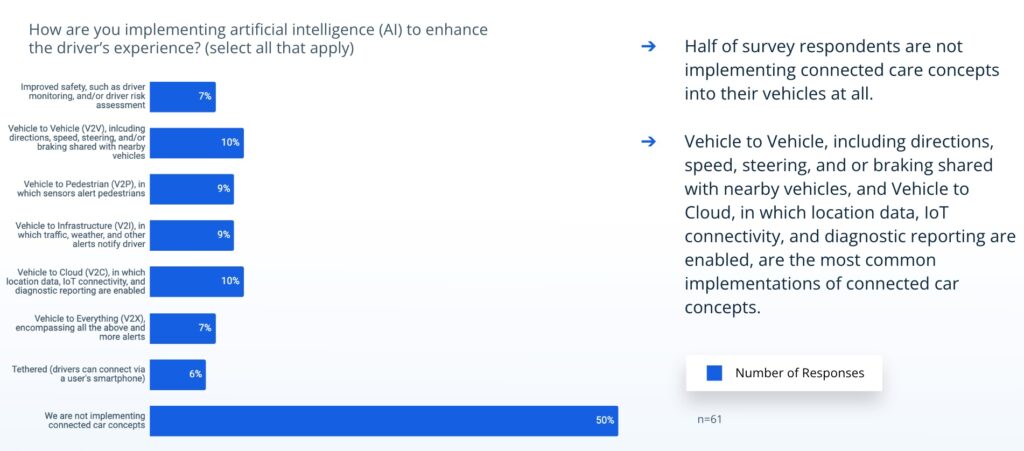
Other companies are even further behind. Indeed, the survey revealed that as many as 40% of auto makers are not yet using artificial intelligence (AI) — which powers self-driving vehicles — to enhance their customers’ driving experience.
What Factors Are Sustaining EV Development?
The Biden Administration’s “EV revolution” is driving EV market expansion via various methods. The Bipartisan Infrastructure Law, for example, will see investments of $7.5 billion in EV charging stations, and automakers are being heavily incentivized to accelerate their EV production. The Energy Department announced in August that it plans to provide up to $12 billion in funding for auto-makers to retrofit existing manufacturing facilities in the U.S. for the production of electric and hybrid vehicles.
Technological advancements mean that EVs are cheaper and their range is longer, factors that are contributing to growing consumer demand. Indeed, in the third quarter of 2023, EV and hybrid sales amounted to 18% of light-duty vehicle sales in the United States, and throughout the year, a record one million EVs were sold.
What Factors Are Stalling Autonomous Vehicle Development?
A lack of public trust, conflicting legislation, and immature technology are three of the barriers to autonomous vehicle development.
1. Public Trust
Consumers are skeptical about the safety and viability of autonomous vehicles, while trade unions take issue with the potential loss of livelihood for commercial drivers and truckers.
Widely publicized accidents have exacerbated these concerns. In October, for example, a Cruise robotaxi struck a pedestrian. The incident resulted in an immediate suspension of Cruise’s autonomous vehicle deployment and driverless testing permits. Just six months earlier, Tesla recalled 363,000 vehicles that were ignoring posted speed limits and incorrectly navigating street intersections.
Around 70% of people say they are afraid of self-driving vehicles. Attitudes might be changed with a rise in universal testing procedures, comprehensive safety data, and protective legislation.
2. Legislation
Self-driving vehicles are technically legal in all U.S. states, but just 29 have passed dedicated laws. A further 10 states have issued executive orders and nine have laws that are pending or have been rejected.
In Michigan, for example, the testing of any automated motor vehicle is allowed and a driver is not required to be behind the wheel. Arkansas, Alabama, and Louisiana only allow commercial vehicles to be on the road, while California recently approved legislation that will slow the deployment of autonomous trucks.
Perhaps a rise in universal, non-conflicting legislation, would incentivize auto-makers to invest in autonomous vehicle technology and pave the way for a driverless future.
3. Technology
Most automakers do not yet have the technological capabilities to develop affordable and scalable self-driving vehicles.
Instead, Xometry found that the companies turning to AI are mainly doing so for the purpose of enhancing their supplier search processes, establishing predictive maintenance capabilities, and developing driving assistance features, including those related to safety, parking, cruise control, and navigation systems.
The Future Of Autonomous Vehicles
Despite concerns surrounding the safety, ethics, and capabilities of autonomous vehicle technology, several companies are working to perfect driverless vehicles.
Tesla, Cruise, Aurora, and Waymo are among the most advanced, having received billions of dollars of investments in recent years. These companies are wholly committed to producing a viable self-driving product as quickly as possible.