What if building a house could be as simple as locking together pieces–much like you did when you were a kid playing with Legos?
It’s precisely that thought that’s behind Katerra, a company whose founders are using the fundamentals they’ve learned in the manufacturing industry to turn the construction industry on its head.
They call themselves an “off-site” construction company and set out to cut costs and time out of the traditional building process by applying a systems approach. The company says that the construction industry tends to be a technology laggard–claiming that less than one percent of their revenue gets invested in new tech.
Katerra says it can apply proprietary software and hardware to streamline design and assembly, so each construction project isn’t a one-off like traditional buildings often are. The company uses a standard kit of parts but allows customers to build-to-order their own custom configurations.
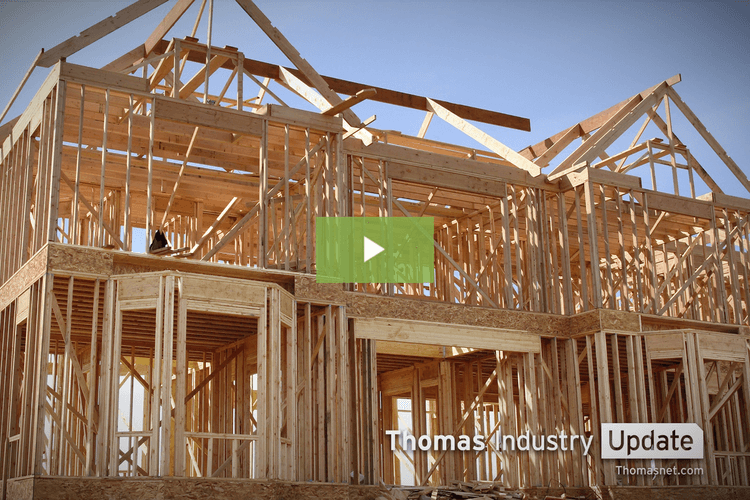
The “job site” for a Katerra project is a factory, which the company says improves quality and timelines. The houses are built in segments – not like a pre-fab home but, rather, like one wall at a time – with doors and windows already embedded and ready to go. Once the pieces are assembled, cranes can lower them to the ground on-location, where they’re bolted together. Project managers track them with RFID and tablets.
Katerra announced earlier this year that it was developing a new type of engineered wood that it claims is much lighter and easier for on-site assembly. Other developments from the company include beta testing on fully loaded walls – those including plumbing and electrical – built in the factory and then connected in the field.
And while a tech-heavy startup with big dreams might sound like a familiar story, this one has the bucks behind it to truly make a splash. In January, Katerra announced it had generated $856 million in Series D funding and that its valuation was, three years in, somewhere north of $3 billion.