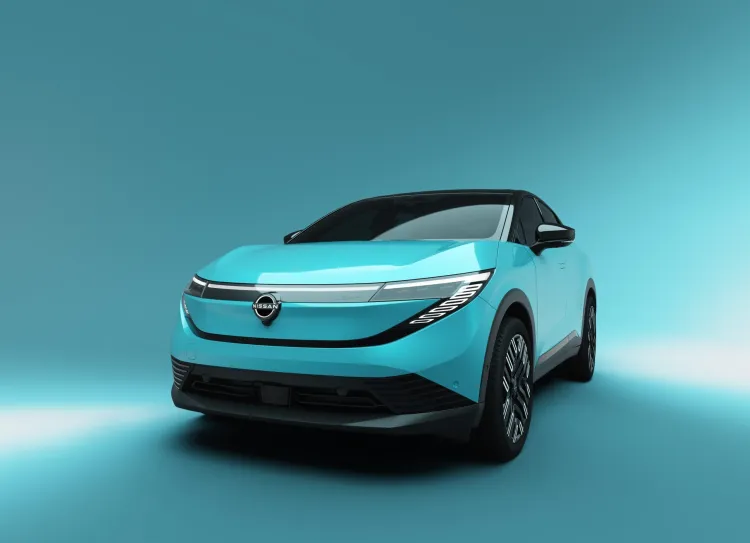
When you think of decarbonizing transportation, the advancements involvingelectric vehicles(EVs) and hybrids are often the first that come to mind—but, so far, these are only helping the problem of vehicles on the ground.
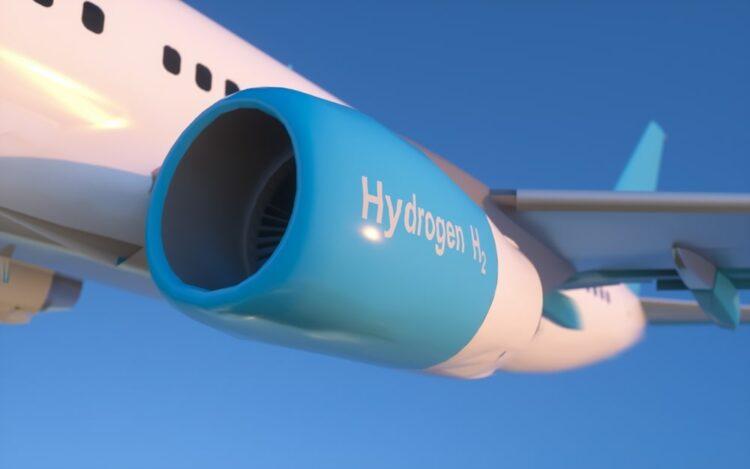
According to the American Chemical Society (ACS),researchersare looking into the concept of hydrogen-powered planes to address the issue of air travel, which has always been, and remains, a large CO2 emission contributor.
CO2 Emissions in Aviation
While the shipping industry is also a major source of pollution, recent measures have been taken by some large shipping companies with the introduction of old-schoolsailing shipsto replace some of the old smog machines in their fleets.
The CO2 emissions fromaviation, however, have increased exponentially, and at a quicker rate than rail, road, and sea travel. The other sectors are making headway with options likehydrogen-powered trains, EVs, and the aforementioned wind-powered ships, but aviation is quite behind in its decarbonizing efforts.
Hydrogen Fuel Potential in Aviation
So far, the only real progress made in aerospace to align with the world’s net-zero goals has been improvements to the design and operation of the aircraft—but this hasn’t been enough to make a substantial difference.
The interest in hydrogen fuel for aviation makes sense. Hydrogen isn’t a low-emission fuel; it’s a NO-emission fuel. When compared to regular jet fuel, it offers more energy per pound while emitting zero CO2.
Research Findings
Initial findings on hydrogen-powered aircraft showed that adding the hydrogen fuel tank and cells would add a lot of extra bulk. Although this could be solved with the reduction of weight elsewhere, such as passengers or cargo, it would mean adding more flights for the same payload.
The latest research, however, which involved modeling the use of hydrogen fuel in regional and short-range electric turboprop planes, found that by improving fuel cell power and the overall weight of the tank and fuel, these extra flights would not be needed. Overall, the researchers believe that switching to hydrogen-powered planes could reduce the CO2 emissions in aviation by a remarkable 90%.
Further Challenges
The switch to greener aviation fuel could be hindered by the lack of appropriate infrastructure to make hydrogen fuel and get it to the planes in a cost- and eco-friendly manner. There are several different options currently being looked into, such as the extraction of hydrogen from methane, carbon capture, and using power from nuclear plants to split water into hydrogen and oxygen—but each of these has its own obstacles.
The researchers feel that a better way to do this could be by transporting the hydrogen from low-cost facilities to the end users. In the meantime, the team is looking at getting the movement started in Germany or Spain, where conditions are better for theproductionof this fuel.
Image Credit: Shutterstock/Wirestock Creators