Image credit: Shutterstock/SOMKID THONGDEE
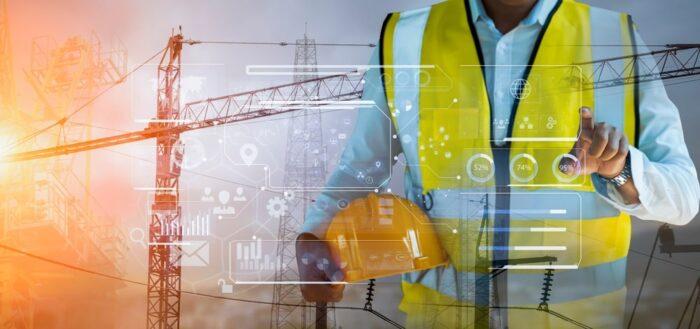
While the engineering and construction industry contributes more than $10 trillion a year to the U.S. economy, the sector is traditionally behind the curve when it comes toadvanced technology.
While other industries are incorporating artificial intelligence (AI) and robotics into productionto improve operationsand meet increasingly sophisticated customer demands, many construction firms have yet to adopt these technologies.
AI in Construction: Industry Trends
Arecent McKinsey reportoutlined the current state of AI in the construction sector, noting three specific areas in which AI could significantly impact operations: project scheduling, worker safety, and preventative maintenance.
Let’s look at these areas and others in which AI could prove beneficial in construction.
1. Project Management and Scheduling
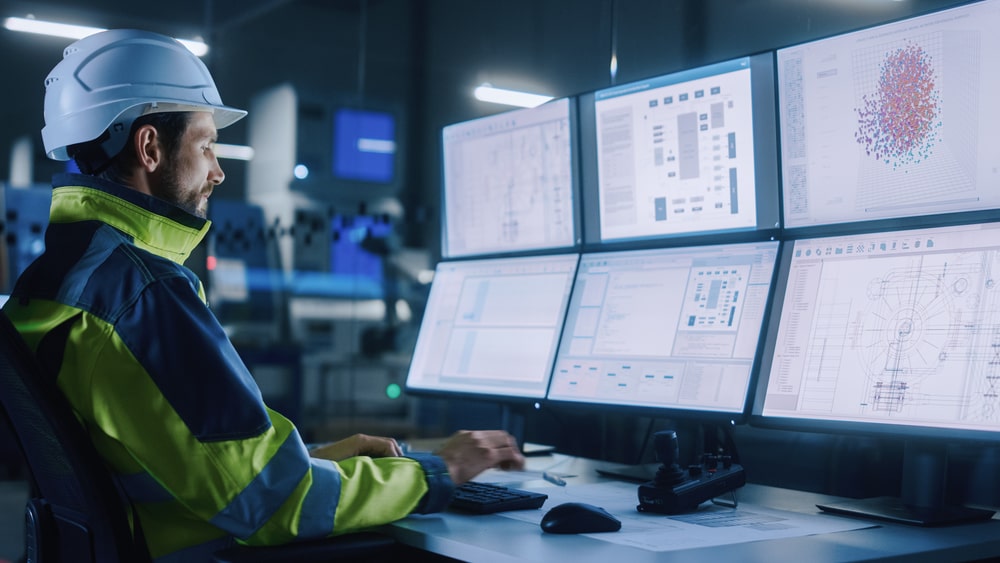
Cost overruns due toproject delaysare inherent within the construction industry. Inefficient project planning leads to increased costs and lost revenue for both construction companies and building owners.
AI can sort through an unlimited number of alternatives for project delivery. Rather than depending on the project manager’s ingenuity, AI learns from multiple iterations of potential project plans. Creating multiple options for time, materials, and project cost, AI delivers options previously unrecognized in the construction industry.
The pharmaceutical industry uses AI predictive applications to forecast project risks of technical solutions that ultimately provide decision-making insight and save millions of dollars during highly expensive, long-term development processes.
Similarly, the transportation industry uses AI for route optimization, reducing costs for all supply chain players. AI is also used to optimize inventory and reduce manufacturing, wholesale, and retail costs.
2. Worker Safety on Construction Sites
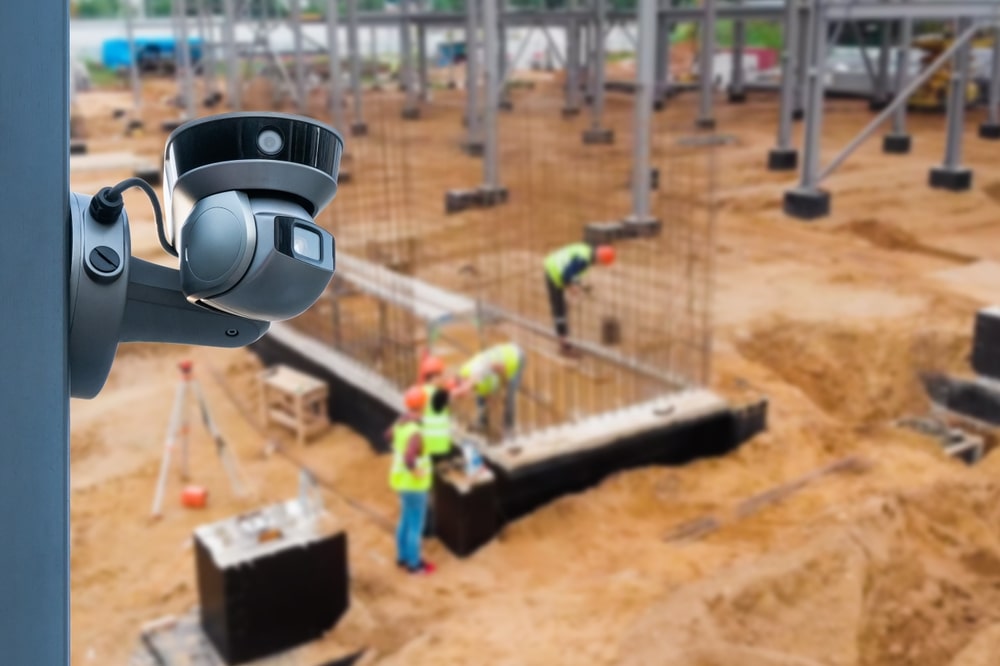
Reducing worker injury riskis always paramount in any construction project. By incorporatingAI image recognition, site management teams can identify potential hazards by collecting images from many individuals, and then monitoring for and proactively addressing unsafe behavior on the worksite.
Companies can develop and target specific training programs through high-risk behavior identification to increase awareness of appropriate behavior and reduce risks, injuries, and subsequent medical costs.
In a similar application of AI facial recognition, a Chinese remote grade school education company uses the technology to collect facial images in an effort to determine a student’s emotional state.
The company then informs teachers, who are teaching their students through an otherwise disconnected digital platform, of their students’ emotional states, directing them to pay additional attention to students who may be falling behind and to provide encouragement or additional instruction as needed.
There are many ways in which AI can help keep workers and equipment safe on the job site.
Real-time Hazard Detection and Response
AI can spot dangers in real-time and respond quickly using advanced sensors and cameras to constantly watch construction sites. In this way, they can spot potential hazards like weak structures, faulty equipment, or unsafe worker behavior.
These AI systems analyze a lot of data very quickly to spot patterns and problems that might signal danger. When a hazard is detected, the AI immediately alerts site managers and workers so they can act fast to prevent accidents.
AI can also predict possible risks by looking at past data and current site conditions so that managers can take preventive safety measures.
Training and Development
By making learning more efficient and effective, AI can improve training and development in construction. For example, AI-powered tools can create personalized training programs for workers that are tailored to their specific roles and skill levels.
Virtual reality (VR) simulations can provide hands-on experience in a safe, controlled environment so that workers can practice operating heavy machinery or learning their way around complex building sites without any risk.
AI can also track job site work and the workers’ progress, identifying areas where they need more practice and providing instant feedback. In this way, they will always be up-to-date with the latest techniques and safety protocols.
4. Preventive Maintenance
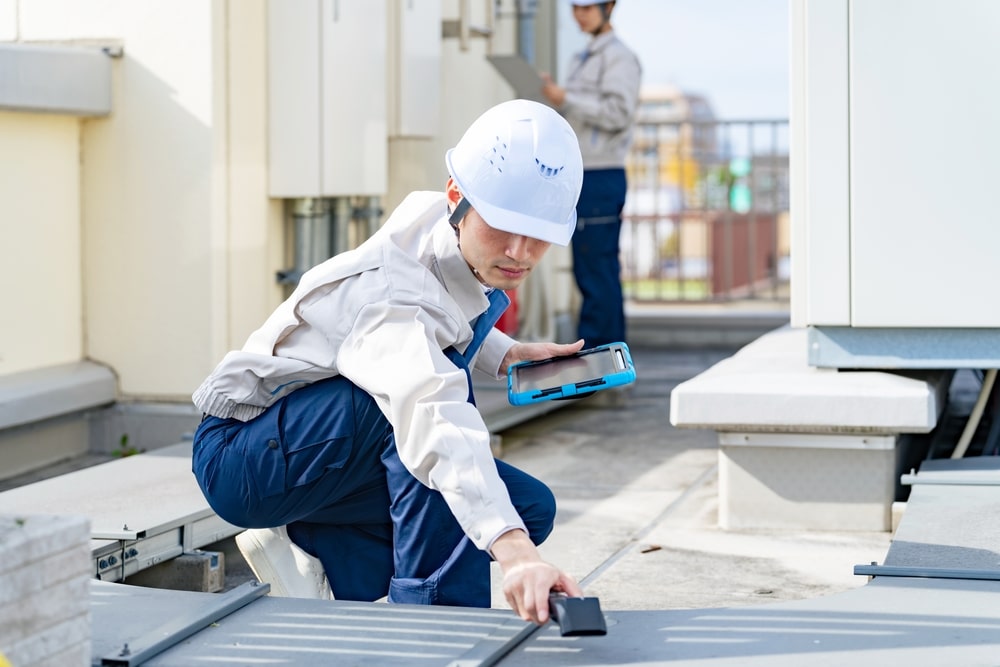
Preventable mechanical failures result in widespread inefficiencies, downtime, and potentially costly repairs that affect a construction project’s bottom line both during and after initial construction.
AI can identify critical risks during construction by using monitors that sense environmental data such as temperature, smoke, or other hazards. These sensors relay information to management teams regarding high-risk areas or potential disasters on the construction site.
Environmental monitoring during the construction process can alsohelp lower costs and avoid expensive delays. IoT sensors are frequently used throughout the supply chain to monitor the temperature and storage conditions of perishable food products from field to store, now mandated by both the U.S. and other countries.
AI Applications in Construction Projects

AI applications like natural language processing (NLP) and machine learning are set to be all the rage in construction. Read on to find out how exactly, and why.
NLP allows AI systems to understand and interpret human language, making communication and information management more efficient. For instance, AI-powered project management tools can analyze emails, reports, and meeting notes to automatically extract all the important details and deadlines and weed out the rest.
These tools can also help in scheduling and coordinating tasks by understanding and processing verbal or written instructions from managers and workers. NLP can also assist in quickly resolving issues by scanning through documents and communication logs to find the relevant information. This means that project managers can spend less time sifting through paperwork and more time making informed decisions.
Machine learning will play a large role in improving predictive analytics in construction, helping projects stay on time and within the set budget. Machine learning algorithms can analyze vast amounts of data from past projects and identify patterns and trends to predict future outcomes.
As an example, these algorithms can forecast potential delays by examining things like weather conditions, material availability, and labor productivity.
By monitoring usage and maintenance data, they can also predict equipment failures and catch them early so that repairs can be made before the problems become worse. Machine learning will also help with cost estimates as it can take into consideration all the variables that affect pricing.
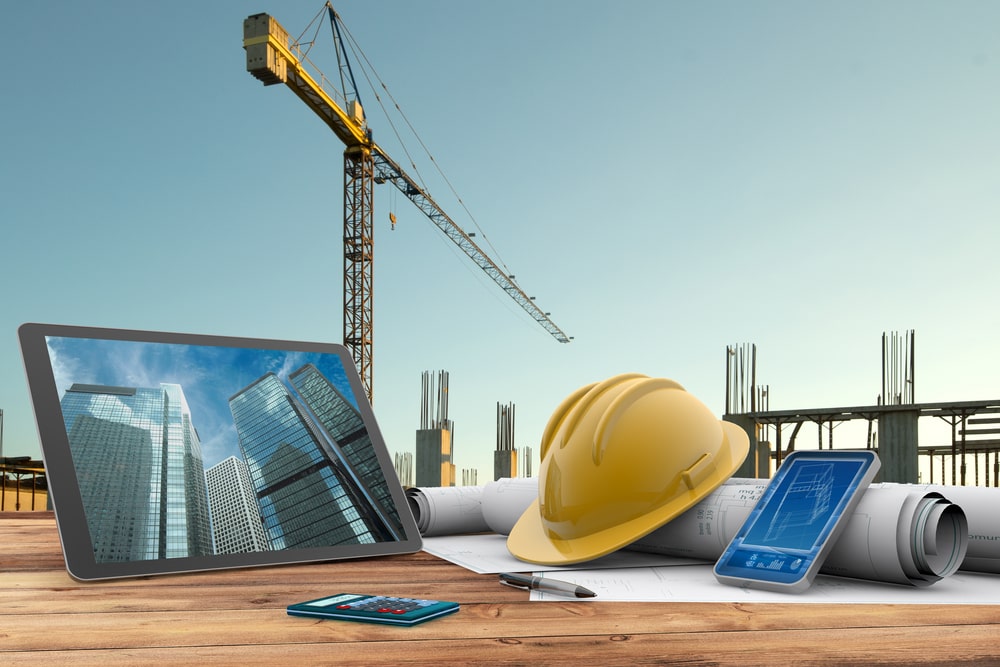
In design and planning, AI-powered design tools can quickly whip up multiple design options based on specific criteria, like budget, materials, and environmental impact.
Like machine learning, these tools use algorithms to analyze data and create designs that meet all the necessary requirements in the most functional and aesthetically pleasing way.
AI can simulate how a building will perform under various conditions, such as extreme weather or heavy usage, so that architects and engineers can make better decisions. In the planning phase, AI can help create detailed project schedules.
It can analyze past project data and predict the time needed to complete each task. It can also inform management of the best resource allocation so that materials and labor are used efficiently.
Enhancing Efficiency and Productivity
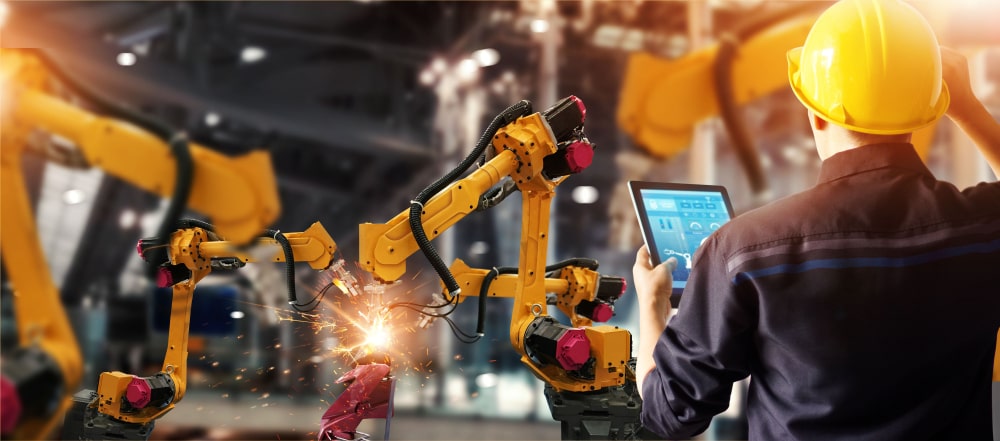
Automated construction equipment and AI-powered workforce management systems are just two of the ways that AI can help construction projects be more productive and efficient.
AI-powered automated construction machines have sensors and AI algorithms that help them perform repetitive tasks quickly, accurately, and without getting tired (something that can’t be said of humans).
Autonomous bulldozers and excavators can get around construction sites easily and safely, and adjust their movements in real time to choose the best route and/or avoid obstacles. These machines can learn from their environment and continuously improve as time goes by.
They can work around the clock without fatigue, reducing project timelines and labor costs. They can also notice and respond to potential hazards faster than human workers.
In addition to traditional construction tasks, AI-enhanced equipment can perform complex operations like 3D printing of structures or actual construction work like laying bricks autonomously.
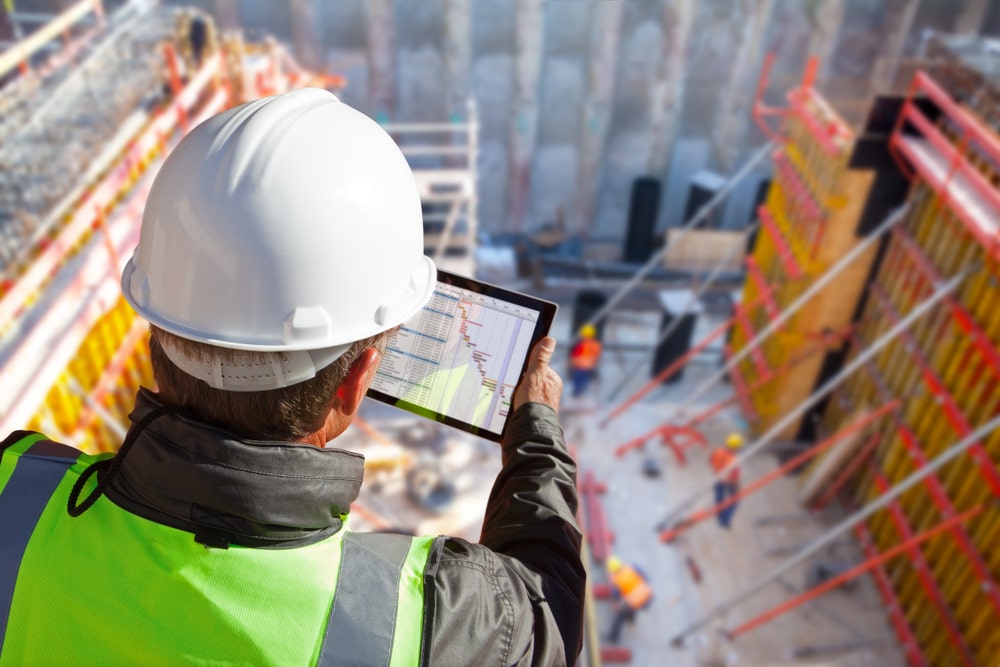
AI-driven workforce management systems can analyze historical data and current project requirements to accurately predict labor needs and costs. It can consider factors like skill sets, availability, and certification requirements to find the right worker for the job.
As previously covered, it can also help in workforce training and development by identifying skill gaps and providing personalized training programs.
In terms of safety, AI can monitor construction sites, worker health, and safety conditions in real time (something that can also enhance communication and collaboration between the project team).
Wearable devices that work with AI algorithms can detect potential hazards, such as dangerous conditions and can even tell when the worker is fatigued and either alert the supervisors or automatically adjust the workflow.
AI in Quality Control
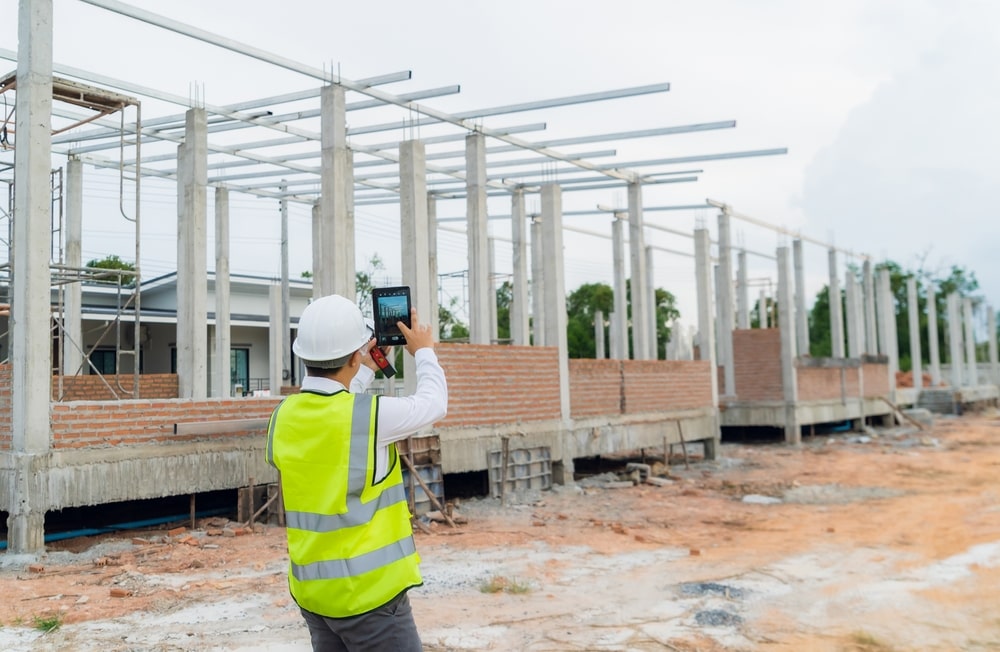
In quality control, real-time AI-driven monitoring systems can improve project outcomes by keeping tabs on quality, and reducing waste, and AI-powered predictive maintenance can help keep equipment in tip-top shape, reduce safety hazards, and keep costs down.
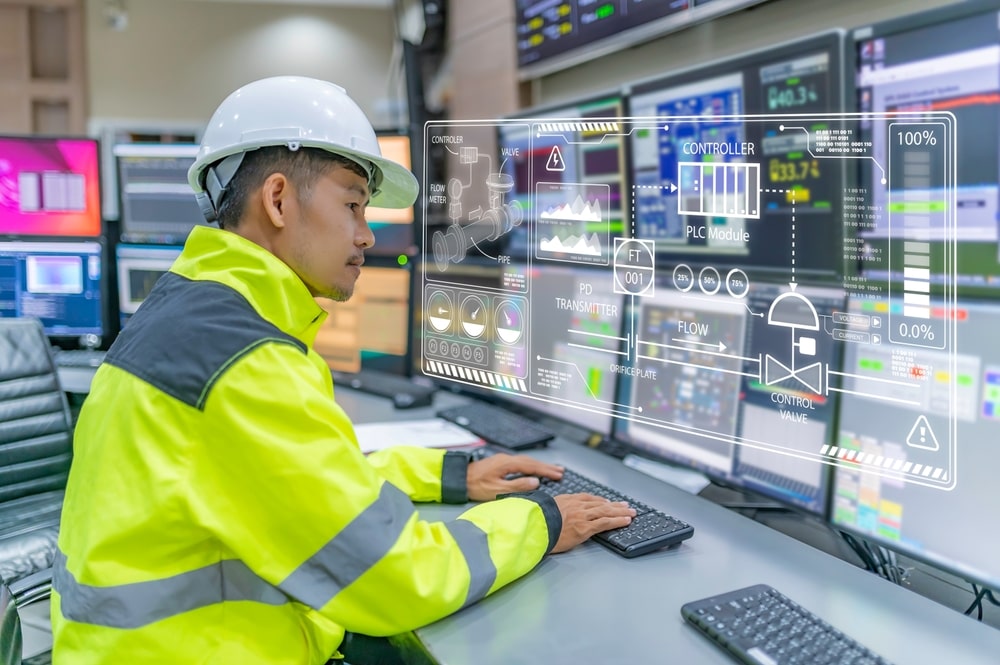
Just like in other areas, AI-driven systems’ ability to continuously monitor various aspects of construction projects can help quickly find out if anything is going wrong, if the plan isn’t being strictly followed, and find potential defects as they happen.
They do this with advanced sensors, cameras, machine learning algorithms, and real time data analytics which help to quickly and accurately inspect materials, components, and finished structures. Better than human eyes, this tech can identify patterns and anomalies that could be a quality issue. These include improper material usage or handling, or construction errors.
By quickly picking up on these issues, corrections can be made sooner rather than later, preventing them from escalating and reducing reworking costs. In fact, these AI quality monitoring systems can predict potential quality issues before they even occur by analyzing historical data and current project conditions.
Another way AI is valuable for quality monitoring issues is with documentation and compliance. It can automatically produce detailed reports and documentation of inspections, and help companies stick to the transparency and accountability goals and requirements.
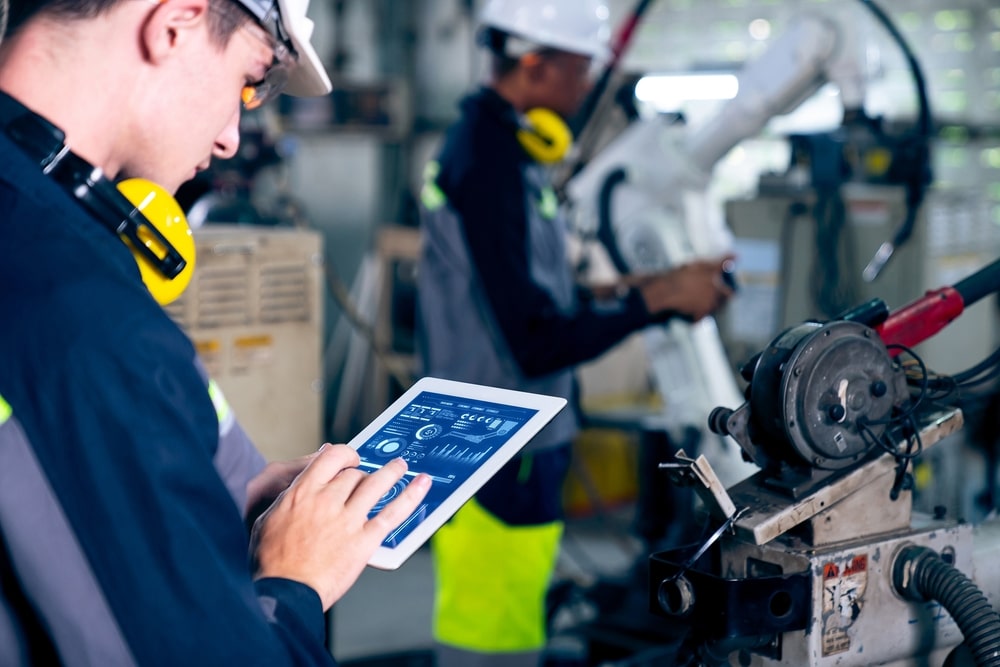
With the ability to know when something might need maintenance or replacing before it does, AI-powered systems that constantly monitor equipment, machinery, and tools on a construction site can save teams a lot of time and money, and even avoid accidents due to faulty tools.
These algorithms analyze patterns in the data they collect from the sensors, operating parameters, and historical maintenance records to detect early signs of deterioration or anomalies that may lead to breakdowns. This can increase equipment performance and lifespan, and cut down on maintenance costs.
This approach can also allow the maintenance teams to schedule repairs or replacements during planned downtime to minimize disruptions to project schedules and general operations. Another way AI helps when it comes to maintenance is in the prioritization of tasks based on their importance.
AI for Construction
As AI continues to bulldoze its way into the construction industry, it’s not just about building taller or faster—it’s about building smarter.
From predictive maintenance to real-time safety monitoring and beyond, these technologies are cementing their place as essential tools for a more efficient, safer, cost-effective, and technologically advanced construction industry.