Precision agriculture, also known as precision farming or smart farming, represents a modern approach to agricultural and crop management that leverages technology to optimize productivity, efficiency, and sustainability. At its core, precision agriculture integrates various advanced technologies to tailor farming practices to specific conditions within a field or crop, thereby maximizing yields while minimizing input costs such as water, fertilizers, and pesticides.
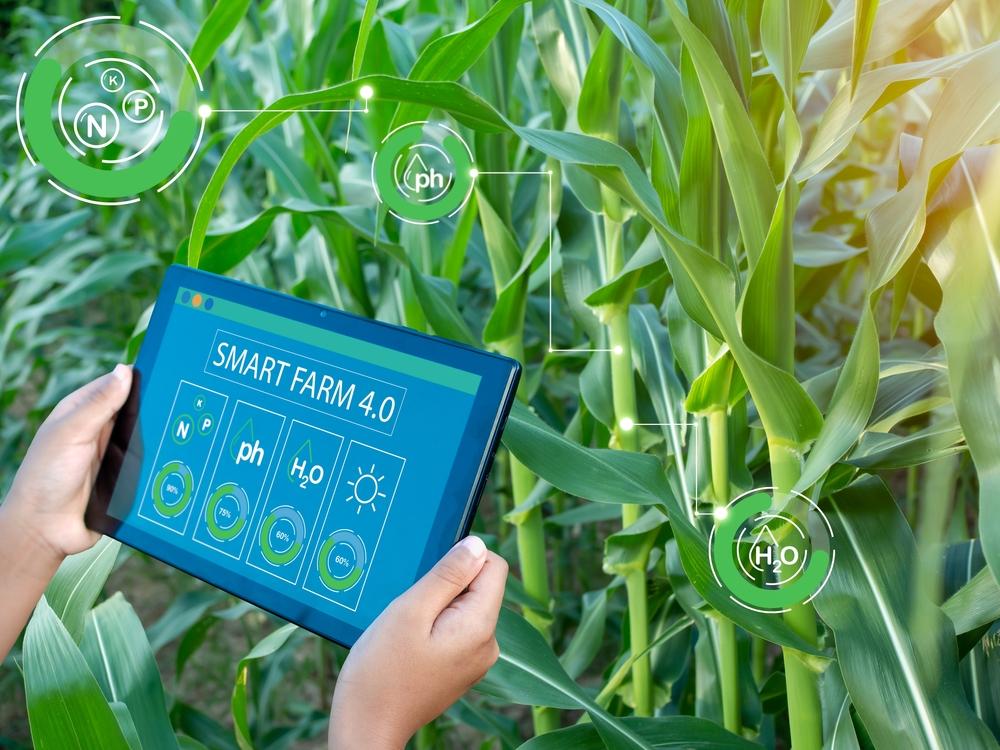
One pivotal aspect of precision agriculture is the utilization of the Internet of Things (IoT) in agriculture, where sensors, drones, and other connected devices gather real-time data on soil conditions, weather patterns, crop health, and equipment performance. This site-specific crop management approach enables farmers to make informed decisions, improving resource allocation and reducing environmental consequences.
Precision agriculture requires farmers to undergo specialized training to effectively utilize these technologies and interpret the data they generate, highlighting the importance of education and skill development in modern farming practices.
This article explores the definition of precision agriculture, key technologies driving its implementation, its economic and environmental impacts, and the necessity of training for farmers to fully harness its benefits.
What Is Precision Agriculture?
Precision agriculture, also known as smart farming, employs technology to customize farming practices to specific field and crop conditions. By integrating advanced technologies like GPS, sensors, and drones, farmers can make data-driven decisions in real-time, maximizing yields while minimizing inputs such as water and pesticides.
This approach revolutionizes modern farming by improving efficiency and sustainability and reducing labor costs.
Key Precision Agriculture Technology
Key technologies driving precision agriculture today include global positioning system (GPS) technology, which provides accurate positioning for equipment and activities within the field. IoT devices play a crucial role in the real-time monitoring of various factors such as soil moisture, temperature, crop health, and other data.
Drones are employed for aerial surveys, capturing high-resolution imagery and data for detailed field analysis. Sensors are utilized for continuous data collection on environmental conditions and crop growth parameters. Additionally, data management and analytics process the vast amount of collected data to generate actionable insights, enabling informed decision-making by farmers.
Related Insights
Benefits of Precision Agriculture with Variable Rate Technology
This modern method of farming offers a myriad of benefits over traditional agricultural practices, including increased crop yields and faster plant growth due to optimized farming practices tailored to specific field conditions.
By precisely managing resources such as water, fertilizers, and pesticides, farmers achieve greater efficiency, leading to savings in labor costs and reduced ecological footprint. This approach promotes sustainable farming practices by minimizing waste and reducing the use of inputs, ultimately contributing to long-term environmental stewardship and agricultural resilience.
Challenges in Implementing Precision Agriculture
Implementing precision agriculture faces several challenges, notably high initial costs and equipment availability associated with adopting advanced technologies such as GPS, sensors for soil management, and drones. These costs can be a large barrier for small family farms. Additionally, concerns about data security arise due to the sensitive nature of the information collected and shared within these modern agriculture systems.
Furthermore, technological barriers may hinder adoption among farmers, including limited access to training and support for utilizing specialized equipment and interpreting data effectively. Overcoming these challenges requires addressing cost barriers, implementing robust data security measures, and providing adequate training and support to farmers to ensure successful implementation and widespread adoption of precision agriculture practices.
IoT in Agriculture: Transforming Farm Operations
The Internet of Things (IoT) has revolutionized agriculture by introducing connected devices and farm automation, fundamentally transforming farm operations. IoT in agriculture enables the integration of sensors, actuators, and other smart devices throughout the farming process, facilitating real-time data collection and analysis. These connected data sources monitor factors such as soil moisture levels, weather conditions, and crop health, providing farmers with invaluable insights for making informed decisions.
Automation of agricultural equipment further enhances efficiency by automating tasks such as irrigation, fertilization, and pest control, reducing labor requirements, and optimizing resource utilization. Overall, IoT in agriculture empowers farmers to achieve precision agriculture work resulting in increased productivity and profitability while reducing the farm’s environmental impact.
Data-Driven Decision Making in Agriculture
Data-driven decision-making is pivotal in modern agriculture, where farmers harness the power of data analytics, predictive modeling, and farm management software to optimize their operations. By analyzing vast amounts of data collected from various sources such as sensors, satellites, and historical records, farmers can gain valuable insights into factors affecting crop growth, soil health, and weather patterns.
Predictive modeling techniques and site-specific crop management allow farmers to forecast yields, identify potential risks, and plan accordingly, mitigating losses and maximizing profitability.
Additionally, farm management software provides tools for organizing, visualizing, and interpreting data, enabling farmers to make informed choices about resource allocation, crop rotation, and pest management. Ultimately, data-driven decision-making empowers farmers to adapt to changing conditions, improve efficiency, and achieve better outcomes in agriculture.
Case Study: Successful Implementation of Precision Ag Technologies
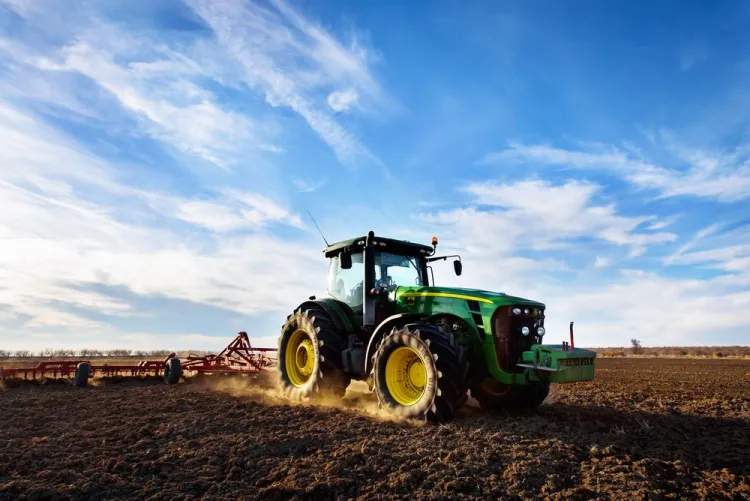
LightBendis a software company based in the United States that has partnered with John Deere to provide data analytics of the large amount of sensor data collected by a combine during use by the farmer.
By analyzing the data quickly and presenting it to the end user in a format they can understand, John Deere was able to add revenue-generating software with their equipment they call the Precision Ag Service. This service results in more efficient crop yields and increased margins for the farmer while also creating greater customer satisfaction which can lead to follow-up sales for John Deere.
Environmental Impact of Precision Farming
Precision agriculture generally offers significant environmental benefits by promoting sustainable farming practices and reducing the overall environmental footprint of agriculture. Through precise management of resources such as water, fertilizers, and pesticides, precision agriculture minimizes waste and environmental contamination. By leveraging technologies like GPS-guided equipment and data analytics, farmers can optimize inputs, reduce chemical usage, and mitigate soil erosion, thereby conserving natural resources and preserving biodiversity.
Additionally, by increasing efficiency and productivity, precision agriculture helps meet the growing demand for food while minimizing the conversion of natural habitats into agricultural land. Overall, precision agriculture plays a crucial role in fostering environmental stewardship and ensuring the long-term sustainability of farming practices.
Training and Adoption Strategies for Farmers
Educating farmers about precision agriculture is crucial for the successful adoption and implementation of advanced farming practices. Farmer education programs should focus on providing comprehensive training on the use of technology, data interpretation, and farming techniques. These programs can be conducted through workshops, demonstration farms, online courses, and partnerships with agricultural extension services and academic institutions. Additionally, hands-on training and mentoring programs can help farmers develop practical skills and confidence in adopting new technologies.
Providing access to support networks, technical assistance, and financial incentives can facilitate the transition to precision agriculture and ensure ongoing success. By investing in farmer education and support systems, stakeholders can promote the widespread adoption of precision agriculture, leading to improved productivity, sustainability, and resilience in farming communities.
The Future of Precision Agriculture
Precision agriculture represents a transformative shift in farming practices, leveraging advanced technologies to optimize productivity, efficiency, and sustainability. By integrating tools such as GPS, sensors, and data analytics, farmers can make informed decisions tailored to specific field conditions, resulting in increased yields with reduced inputs.
However, successful adoption of precision agriculture requires comprehensive farmer education and support systems to address training needs and facilitate the transition to new technologies. By investing in education, training, and adoption strategies, stakeholders can unlock the full potential of precision agriculture, ensuring a more resilient and sustainable future for agriculture.