The concept of the “right to repair” agricultural machinery is increasingly becoming a focal point of discussion among farmers, policymakers, and equipment manufacturers. This movement advocates for the ability of farmers to engage in farm equipment maintenance and repairs.
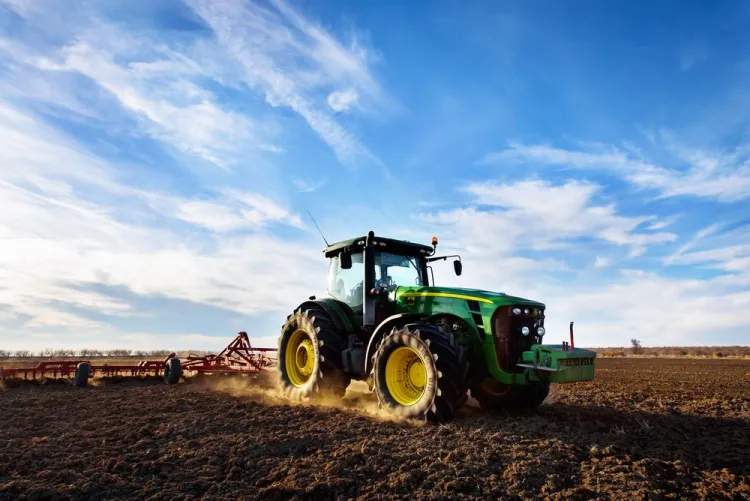
Historically, farming equipment manufacturers likeJohn Deerehave required customers to take their commercial tractors and other machinery to authorized dealerships for repair or maintenance. Farm equipment manufacturers have enacted these requirements as part of their efforts to protect their intellectual property and proprietary technologies.
However, the right-to-repair movement is empowering farmers to repair and maintain their own tractors and other farm equipment. The importance of this issue cannot be overstated, as it directly impacts the efficiency of agricultural operations, the financial health of farming businesses, and the broader goal of ensuring food security.
Legislation and Regulations
The legislative landscape concerning the right-to-repair laws is evolving. In recent years, several states have introduced agricultural policies designed to promote repair equipment access among farmers and independent repair facilities. These legislative changes are being driven by advocacy groups like the American Farm Bureau Federation, the National Farmers Union, and the National Agricultural Law Center.
However, progress has been slow. In 2023,33 states and Puerto Ricoevaluated right-to-repair legislation, which would empower independent repair shops and customers to fix their own equipment. Only four states — California, Colorado, Minnesota, and New York — passed legislation. Of these, only Colorado included right-to-repair farm equipment provisions in its bill. The others focused on general right-to-repair legislation.
Challenges Faced by Farmers
Farmers are increasingly encountering barriers to repairing their own equipment. Limitations often manifest through repair restrictions, which force farmers to take their equipment to a dealer for authorized service. Otherwise, they’ll void their warranty.
Another barrier is the increased use of proprietary software. Many independent repair facilities don’t have the diagnostics technologies they need to identify and remedy issues with proprietary software likeJohn Deere’sengine control unit (ECU). Only authorized manufacturers know how to repair these components.
Recent legislation, such as the aforementioned Colorado bill, aims to eliminate these barriers and provide farmers with access to the equipment they need to fix their own machinery.
Advantages of Right to Repair
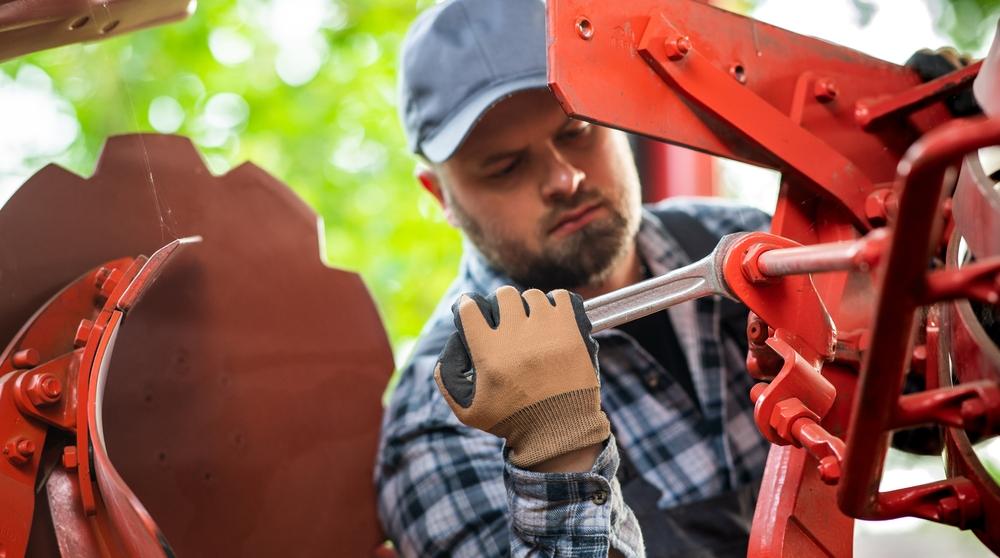
The benefits of the right-to-repair law are significant. For farmers, the ability to fix their machinery can lead to self-sufficiency and cost savings. They’ll no longer have to book an appointment with an authorized dealer and wait weeks for service. Instead, they can diagnose and fix issues on-site.
Additionally, the right-to-repair farm equipment movement can lead to increased equipment lifespan and fewer interruptions. If farmers can fix their own machinery and don’t have to halt their operations while they wait on an appointment with an authorized dealer, they’ll maintain continuity in operations without having to come up with a stopgap solution.
The right to repair is intrinsically linked to sustainable farming practices. By facilitating easier repair of equipment, the movement reduces the need to constantly purchase new machines, which paves the way for reduced electronic waste.
Farmers can also reduce their environmental impact in a few different ways. They can keep their machinery in better condition, which promotes improved efficiency. Also, they won’t have to haul their equipment dozens or hundreds of miles to the nearest dealer. They can repair it on-site or take their machines to nearby independent repair shops.
Do-it-yourself repairs are catching on among farmers, driven by the spread of online forums, tutorials, and the availability of third-party toolkits. If right-to-repair legislation forces manufacturers like John Deere to disclose proprietary diagnostics techniques, third-party providers can create their own diagnostics software and replacement components.
These resources will improve farmer skills and enable equipment owners to perform a wide range of repairs, from simple maintenance tasks to more complex fixes. When farmers can handle their own repairs, they’ll save money and time while also increasing the resilience of their operations.
Manufacturer and Farmer Perspectives
The debate over the right-to-repair movement highlights a divergence in perspectives between manufacturers and farmers. Manufacturers policies are designed to protect profits and keep intellectual property out of the hands of competitors. Manufacturers often argue that unrestricted access to repair tools and software could lead to safety issues and misuse of proprietary information.
On the other hand, farmers advocate for their right to maintain and repair their own equipment as they see fit. Ensuring farmers’ needs are met while respecting the rights of manufacturers requires collaborative solutions.
Success Stories: Farmers Exercising Their Right to Repair
To understand the need for a right-to-repair law, one only needs to consider farmer experiences under the current legislative landscape.
For instance,Rob Baur,a farmer from Ridgefield, Washington, said that he purchased a three-year-old 90-horsepower John Deere tractor. Within five minutes of firing it up, he saw a warning indicator light up on the dash. He had no way of diagnosing the problem, so he booked an appointment with the dealer, who couldn’t get him in for weeks.
Baur turned to a 1965 tractor to complete his work. However, he was incredibly frustrated by the whole experience and said he needed access to an independent mechanic to achieve better repair success and more positive outcomes.
Public Awareness and Advocacy
The right-to-repair movement has benefited greatly from advocacy campaigns and public support. Organizations and grassroots movements have played a pivotal role in bringing the issue to the attention of the public and lawmakers. Their efforts have led to increased media coverage, public support, and in some cases, legislative victories that have advanced the cause of repair rights.
Future Trends and Development
The right-to-repair movement is likely to intersect with several key trends. Emerging technologies like smart machinery and industry shifts toward sustainable farming practices will make maintaining and repairing equipment even more complex. As these trends progress, the right to repair will remain a critical issue for ensuring that technological advancement in agriculture benefits the farming community.
The future of farming hinges on the ability of legislators, manufacturers, farmers, and everyday consumers to come together for the good of society.