Image credit: Shutterstock/asharkyu
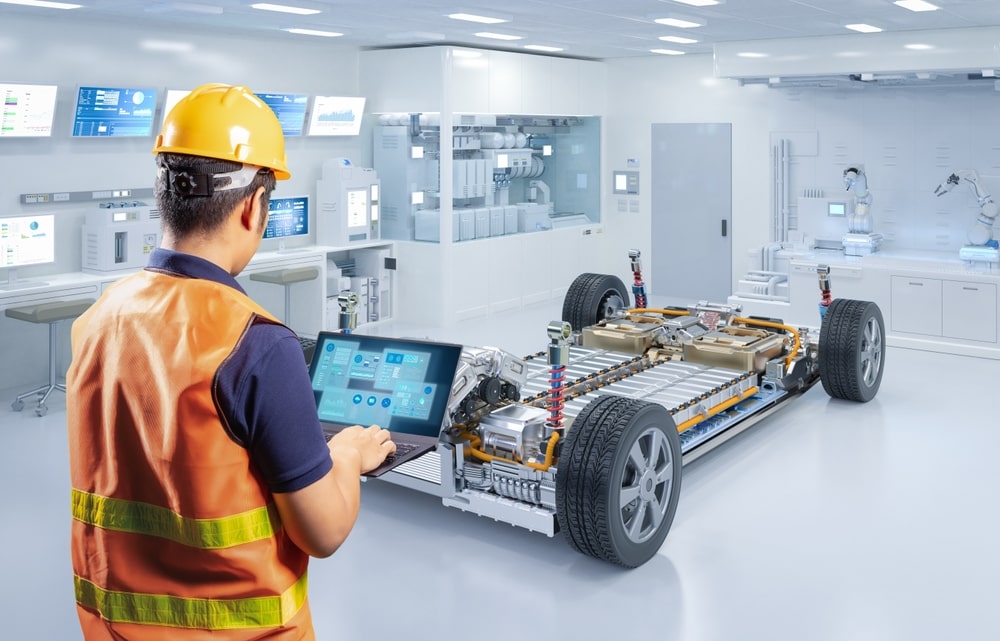
Electric vehicles (EVs) are becoming increasingly popular due to their eco-friendliness and efficient performance. One of the most critical components is the electric vehicle battery, which stores the energy required to power the vehicle. However, not all electric vehicle batteries are created equal. Several types of batteries are available, each with its advantages and disadvantages. For manufacturers, choosing the right kind of battery is crucial to ensure that their vehicles perform optimally and meet the needs of their customers. This comprehensive guide will explore the different types of batteries available and their unique features.The Importance of EV Batteries in the Automotive Industry
Batteries play a crucial role in the automotive industry as they are the primary power source for electric vehicles. As the world moves towards a more sustainable future, electric cars are becoming increasingly popular due to their eco-friendliness and high energy efficiency. However, the performance and capabilities of electric cars depend heavily on the type of EV battery pack used. In addition, technology is constantly evolving, with new and improved batteries being developed to meet the growing demand for all-electric vehicles. Creating efficient and reliable batteries is essential for the widespread adoption of electric cars and for reducing our dependence on fossil fuels.Brief History of Electric Car Batteries and Their Evolution
The history of electric car batteries dates back to the 19th century when inventors began experimenting with battery packs to power vehicles. The first crude electric cars were developed in the 1830s by inventors such as Robert Anderson and Thomas Davenport. Early electric cars used batteries made from copper and zinc plates immersed in a dilute sulfuric acid solution.
A classical electric car used for city tours in Lisbon, Portugal
Over time, electric car batteries evolved to become more efficient and practical. In the early 1900s, the Edison battery, also known as the nickel-iron battery, was developed, which was more durable and longer lasting than previous batteries. However, these batteries were expensive and lacked a significant performance advantage over a lead acid battery. The introduction of the low-cost Ford Model T pushed the auto industry toward gasoline. Gas prices began to soar in the 1960s and 1970s, leading to new interest in electric vehicles. Due to their low cost and availability, lead-acid batteries, which had been invented in 1859, became the most widely used type of battery in electric cars. However, they were heavy and had a limited range, which made them unsuitable for long-distance travel. These drawbacks, along with improved fuel efficiency, led to decreased interest in electric vehicles by the end of the 1970s.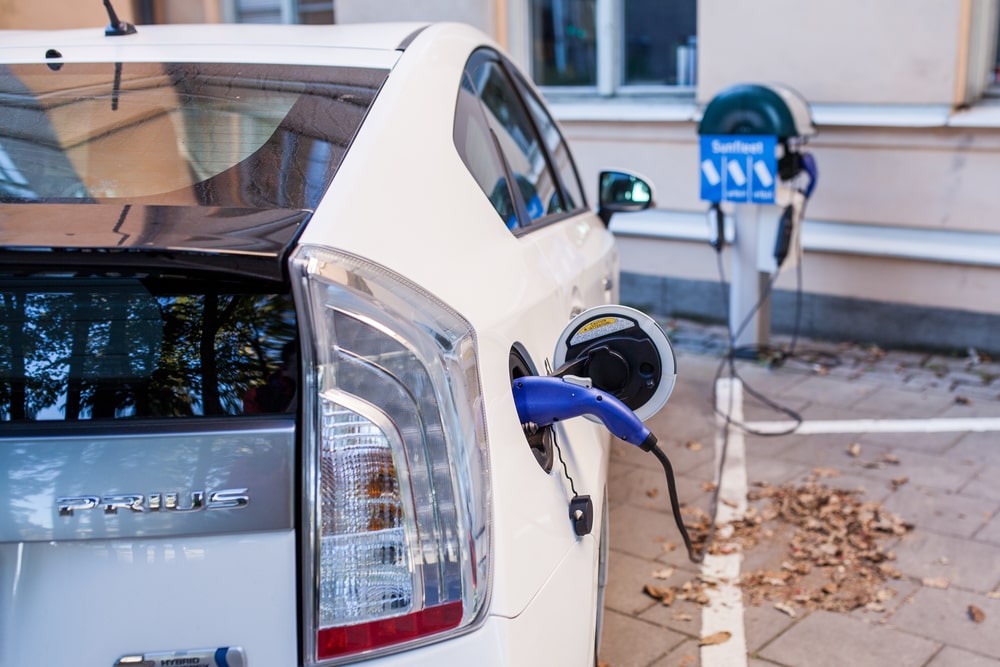
Significance of Different Types of Electric Car Batteries for Manufacturers
The different types of batteries available have significant implications for manufacturers regarding performance, cost, and availability. Choosing the correct type of battery is crucial to ensure that EVs meet the needs of their customers and are competitive in the market. For instance, lead-acid batteries are the cheapest type of battery. Still, they have a limited range and are heavy, which makes them unsuitable for long-distance travel. On the other hand, lithium-ion batteries have a higher energy density and longer lifespan, which makes them more expensive but more efficient and reliable than lead-acid batteries.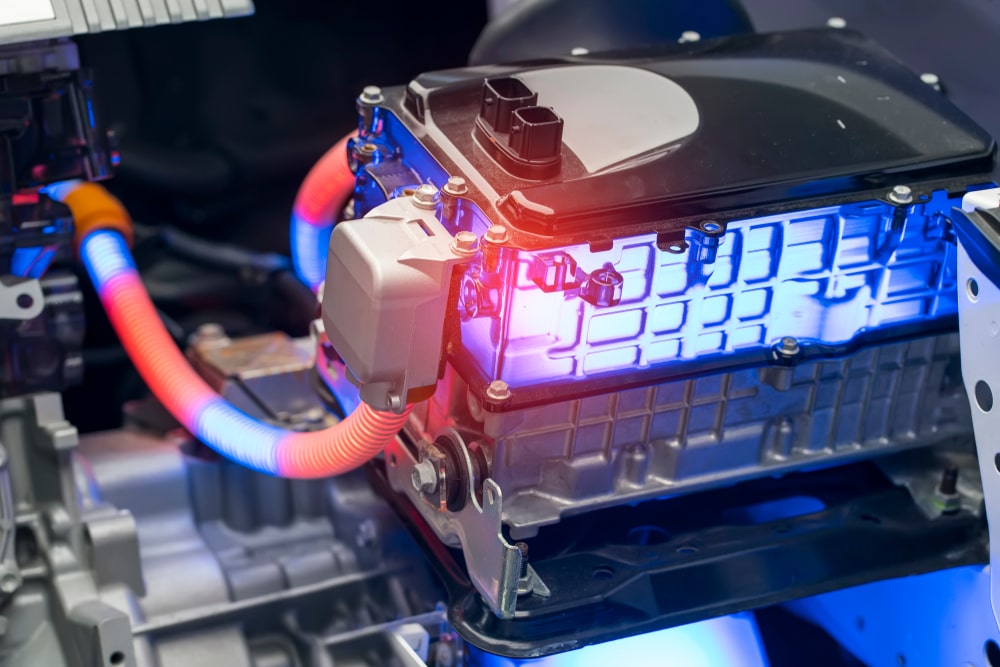
4 Different Types of Electric Car Batteries
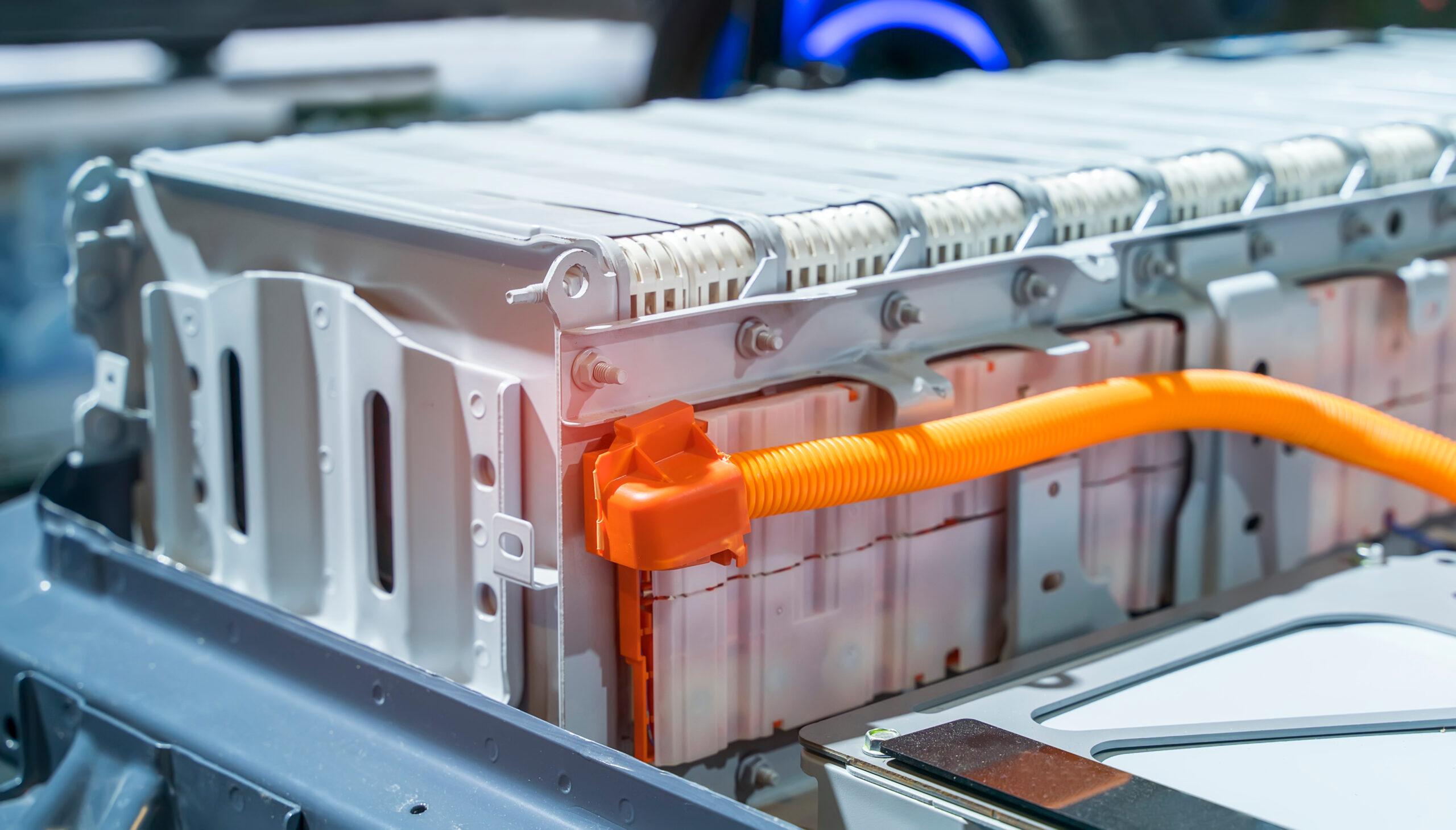
There are four different types of electric car batteries to know about, and we break down the materials and applications of each, as well as their pros and cons. Lithium-ion battery packs are the most commonly used in electric cars today. These batteries have several advantages and disadvantages that manufacturers must consider when selecting a battery for their electric cars.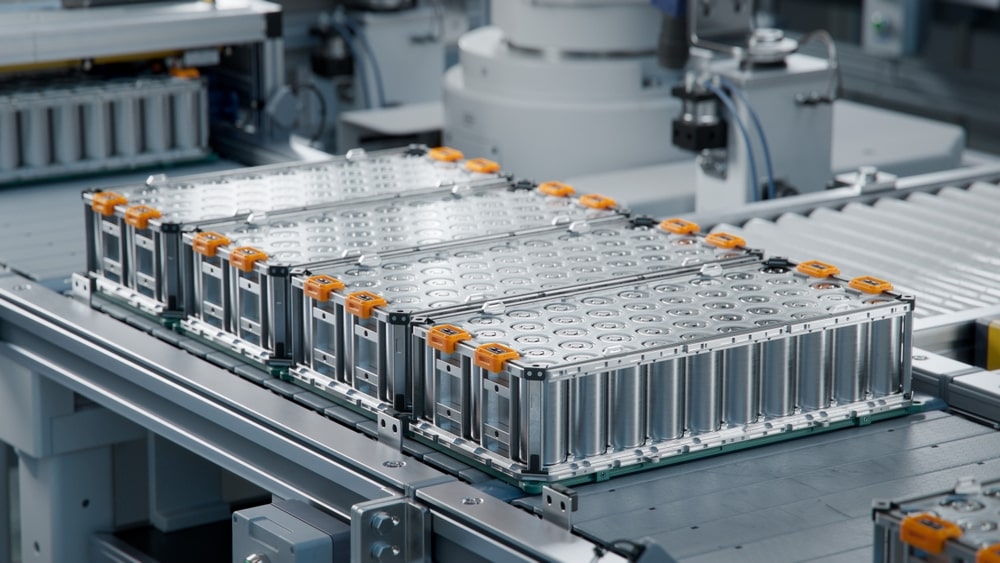
Advantages
Disadvantages
Applications
The lithium-ion battery is the most commonly used type of battery in total electric and hybrid electric vehicles today. This is due to their high battery capacity and long cycle life. They are also used in many other applications, including consumer electronics, grid storage, and renewable energy systems.Materials
These large-capacity batteries are made up of several materials, including lithium, cobalt, nickel, manganese, aluminum, and copper. These materials are used in various combinations to create different types of lithium-ion batteries with different characteristics, such as higher energy density or longer lifespan.
Advantages
Disadvantages
Applications
NiMH batteries are still used in some hybrid vehicles, where they are paired with a gasoline engine to improve fuel efficiency. However, they are less commonly used for full electric car batteries, whereas lithium-ion batteries are now the preferred option due to their higher energy density and longer lifespan.Materials
NiMH batteries are made up of several materials, including nickel, metal hydride, and potassium hydroxide. These materials are used in various combinations to create different types of NiMH batteries with different characteristics, such as higher energy density or longer lifespan. Lead-acid batteries are the oldest type of rechargeable battery and have been used in electric cars since the early 1900s. They have several advantages and disadvantages that manufacturers must consider when selecting a car battery.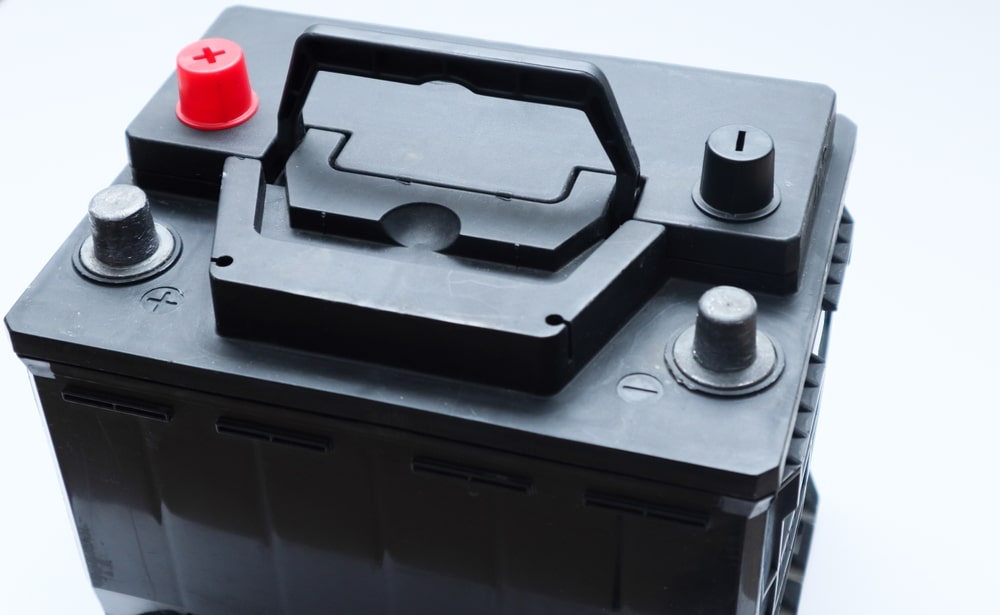
Advantages
Disadvantages
Applications
Lead-acid batteries are no longer commonly used in modern electric cars but are still used in some older electric cars and golf carts. They are also used in other applications, such as backup power systems, forklifts, and wheelchairs.Materials
Lead-acid batteries are made up of several materials, including lead, lead dioxide, and sulfuric acid. These materials are used in various combinations to create different types of lead-acid batteries with different characteristics, such as higher energy density or longer lifespan. The recycling of lead-acid batteries is essential due to the toxicity of lead and the environmental impact of lead mining, which can contaminate soil and water sources. Solid-state batteries are a type of rechargeable battery that use a solid-state electrolyte instead of the liquid or gel electrolytes used in traditional batteries. They are still in the development phase but are considered a promising technology for the future of electric vehicles.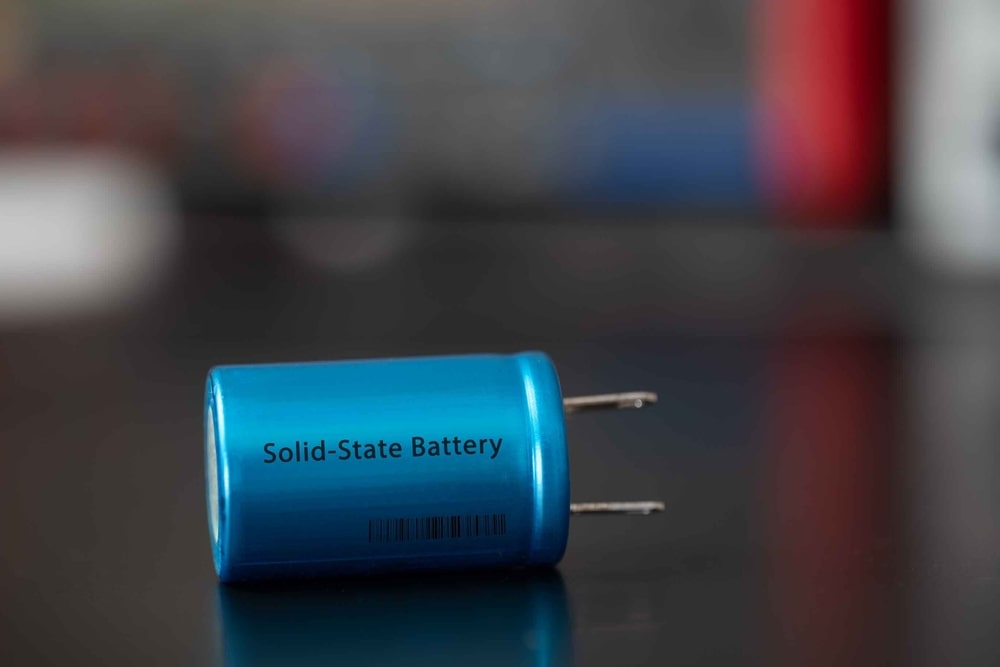
Advantages
Disadvantages
Applications
Solid-state batteries are an emerging technology with potential for use in future electric vehicles. They are also being considered for other applications, such as smartphones and laptops.Materials
Solid-state batteries are made up of a solid-state electrolyte, which can be made from various materials, including lithium, sulfur, and sodium. Using solid-state electrolytes in batteries eliminates the need for flammable liquids or gels used in traditional batteries, which can improve the safety and stability of the battery. They can also be designed with different materials and structures to improve their performance, such as increasing their energy storage capacity or reducing weight.Making Informed Electric Car Battery Decisions
In conclusion, the electric car battery is critical to the automotive industry’s transition to cleaner, more sustainable transportation. Each type of electric vehicle battery has its unique advantages and disadvantages, making it essential for manufacturers to carefully consider which battery technology to use in their vehicles.