As the automotive industry undergoes a paradigm shift toward sustainability, electric vehicles (EVs) have taken center stage, promising a greener and more energy-efficient future. One critical aspect of the EV ecosystem is the charging infrastructure, which comes in various types and connector formats. It is essential for EV owners and enthusiasts to understand EV chargers and their connector types.
In this comprehensive guide, we explore the six primary types of EV chargers currently available, shedding light on the nuances of each and helping you make informed decisions about charging your EV. We’ll cover the key features, charging speeds, and connector types associated with each charger, from the standard home charging units to high-speed public chargers.
1. Level 1 EV Chargers
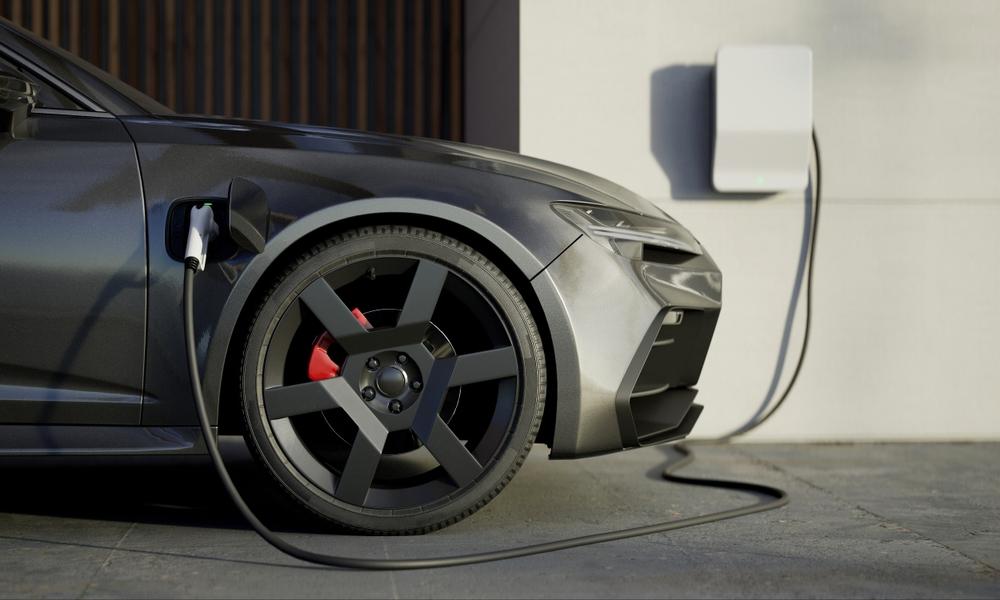
Level 1 EV chargers are the most fundamental and widely accessible option for EV drivers, utilizing standard household electric outlets (120V AC in North America). Often included with electric cars, Level 1 chargers provide a convenient solution for at-home charging, employing the SAE J1772 connector to facilitate the charging process.
However, their charging speed, while convenient, falls behind higher-level alternatives. Offering approximately two to five miles of range per hour, a Level 1 AC charger is best suited for overnight charging sessions at home, catering to daily commuting needs but presenting limitations for longer journeys or quick top-ups.
Ideal for electric car owners with easy access to standard electrical outlets near their parking spaces, such as in a garage or driveway, Level 1 chargers prove particularly beneficial for individuals with predictable, low mileage daily driving patterns.
Overnight charging adequately replenishes the vehicle’s battery for the next day’s use.
However, limitations arise for those requiring frequent long-distance travel or seeking faster charging solutions. The reliance on standard household outlets restricts charging speed, making Level 1 chargers less practical for rapid daily top-ups. Despite their convenience for routine charging needs, a Level 1 EV charger may be better suited for those with predictable usage patterns rather than those with more dynamic or time-sensitive charging requirements.
2. Level 2 EV Chargers
Level 2 EV chargers, a substantial upgrade from Level 1 counterparts, offer enhanced charging times and increased adaptability. Widely distributed across home charging stations and public areas, Level 2 chargers utilize the SAE J1772 connector for seamless compatibility. Their accelerated charging experience, ranging from approximately 10 to 60 miles of added range per hour depending on the station’s power output, positions Level 2 chargers as a versatile choice suitable for both at-home and public charging scenarios.
Home installation of a Level 2 charging station typically entails a dedicated 240V electrical circuit, akin to the setups used for more extensive home appliances such as electric stoves or dryers.
Public Level 2 charging stations, strategically located in high-traffic zones like parking lots and shopping centers, offer a convenient solution for on-the-go EV owners. The advantages of Level 2 chargers extend beyond their faster charging times compared to Level 1, as they present a practical solution for users with flexible daily routines. Their adaptability in public spaces further contributes to the overall convenience of EV ownership, enabling charging during errands or extended stays.
Moreover, for EV owners with designated parking spaces, the installation of a Level 2 home charging station provides the added benefit of faster charging without the necessity for frequent visits to public charging stations.
3. Level 3 EV Chargers (DC Fast Charging)
Level 3 EV chargers, also known as DC fast chargers, are the epitome of speed and efficiency in electric vehicle charging. Utilizing direct current (DC), these chargers are frequently situated in public charging stations strategically placed in high-traffic areas such as highways, shopping centers, and rest stops. Level 3 chargers’ defining characteristic is their rapid charging, offering up to 200 miles of range in just 30 minutes of charging time. This makes them ideal for long-distance travel and quick top-ups during a busy day.
These DC fast chargers play a vital role in the public charging infrastructure, addressing the needs of electric vehicle owners on extended journeys. Their rapid charging capabilities are particularly beneficial for efficient long-distance travel and quick replenishment in urban areas where time constraints may limit traditional charging.
Level 3 chargers provide convenience and are designed to manage the charging process intelligently, potentially contributing to better battery longevity over time. However, it’s important to note that the availability and compatibility of Level 3 chargers may vary based on the electric vehicle model and region, emphasizing the ongoing evolution of the electric vehicle infrastructure and the increasing feasibility and convenience of owning an electric vehicle.
4. Wireless EV Charging
Revolutionizing the electric vehicle charging landscape, wireless charging, also known as inductive charging, brings forth a contactless energy transfer paradigm. This technology eliminates the need for physical cables by leveraging electromagnetic fields, offering users a convenient and seamless charging experience.
The advantages of wireless charging include simplified usage, reduced wear and tear on connectors, and aesthetically pleasing, integrated designs.
However, challenges such as efficiency concerns and the substantial cost of infrastructure implementation must be addressed for widespread adoption. With applications ranging from urban environments, where space is limited, to enhancing public transportation and facilitating automated charging for autonomous vehicles, wireless EV charging stands at the forefront of innovative solutions, paving the way for the future of electric mobility.
5. Smart EV Chargers: Pioneering a Connected Charging Era
Smart EV chargers, a paradigm shift in electric vehicle charging, seamlessly integrate internet connectivity and Internet of Things (IoT) technology to offer advanced features. Beyond delivering power to electric vehicles, these chargers provide users with remote monitoring and control capabilities through dedicated mobile apps.
This connectivity enables scheduled charging, real-time data analytics, and load management, optimizing energy distribution and contributing to grid stability. The incorporation of IoT technology allows smart chargers to adapt to fluctuating electricity prices, empowering users to capitalize on off-peak rates and promoting cost savings. Furthermore, these chargers play a vital role in fostering sustainability by intelligently managing energy use alone, going with broader goals of reducing carbon emissions, and supporting the adoption of renewable energy sources.
While the advantages of intelligent EV chargers are substantial, their widespread adoption faces challenges such as cybersecurity concerns, the need for standardized communication protocols, and the requirement for robust internet connectivity.
Addressing these challenges is pivotal for ensuring the seamless integration of smart charging solutions into the rapidly expanding electric vehicle infrastructure. As technology continues to evolve, smart chargers are positioned to play a crucial role in shaping the future of electric mobility, offering a glimpse into an era where connectivity, efficiency, and sustainability converge to redefine the landscape of electric vehicle charging.
6. Portable EV Chargers
Portable EV chargers are versatile for electric vehicle owners seeking on-the-go charging flexibility. These compact and lightweight chargers are specifically designed to cater to the needs of travelers, providing a convenient option for charging electric vehicles while away from home. Portable chargers often come with adaptable connectors to suit various electric vehicle models, ensuring compatibility and ease of use during travel. Their flexibility extends to diverse charging scenarios, enabling electric vehicle owners to recharge their vehicles at various locations, such as hotels, campgrounds, or even standard electrical outlets. This offers a practical and reliable charging solution when away from traditional charging infrastructure.
Portable EV chargers typically feature a user-friendly design with plug-and-play functionality, making them accessible to many electric vehicle owners. While their charging speed may not match that of Level 2 or Level 3 chargers, portable chargers offer a reasonable compromise between convenience and speed, providing a reliable power source during travel.
The adaptability of portable chargers adds a layer of convenience for electric vehicle owners who prioritize flexibility and self-sufficiency, ensuring they can recharge their vehicles even in areas with limited access to conventional charging stations. As electric mobility grows, portable EV chargers play a crucial role in supporting the expanding community of on-the-go electric vehicle enthusiasts.
Related Insights
Electric Vehicle Charging Connector Types
Navigating the diverse landscape of electric vehicle charging connectors is crucial for EV owners, with standards like CCS, CHAdeMO, Type 2, and Type 1, along with proprietary options likeTesla Supercharger, playing pivotal roles in shaping compatibility and usage scenarios across global charging networks.
Related Insights
The Future of EV Charging
The world of electric vehicle charging connectors is dynamic and diverse, accommodating a range of standards and proprietary options to cater to the expanding electric mobility landscape.
Whether it’s the interoperability of CCS connectors, the widespread use of Type 2 in Europe, or the unique approach of Tesla Superchargers, each connector type plays a crucial role in facilitating convenient and efficient charging experiences for electric vehicle owners worldwide.
As the electric vehicle infrastructure continues to evolve, the standardization and compatibility of these connectors will remain essential, ensuring that electric vehicle users can confidently charge their vehicles across various networks, driving us closer to a more sustainable and interconnected future of transportation.