Having an optimistic attitude helps you live longer, according to a recent study by the Boston University School of Medicine. We therefore not only want to bring you practical resources you can use like the Thomas Coronavirus Resource Hub for Manufacturing and our Live Updates on shipping and logistics impacts but also some feel-good stories about how businesses and individuals are innovating to combat the spread of COVID-19.
If you missed last week’s, you can read those positive stories here. This week we’ve rounded up even more encouraging stories about dog-walking drones for when you’re sheltering-in-place, a DIYed ventilator hack, a principal making supplies in the school’s shop classroom, and more.
Tesla Buys Ventilators in China for U.S.
As the U.S. government has appealed to aerospace and automakers businesses to manufacture medical equipment, Tesla bought ventilators from China to ship to the States. "China had an oversupply, so we bought 1255 FDA-approved ResMed, Philips & Medtronic ventilators on Friday night & airshipped them to LA,” Elon Musk said.
FDA Approves Hanes’ Design for Cotton Masks
President Trump announced that Hanes, best known for its undergarments, is retrofitting its clothing manufacturing facilities to produce cotton masks. The FDA has approved Hanes’ design, and the masks will go to healthcare workers at the forefront of the airborne pandemic. Hanes explains: "The company’s supply chain and product development experts created technical product specifications, including product chemistry, and samples of cotton masks in coordination with the U.S. Department of Health and Human Services that were approved by the FDA.” Led by Parkdale Mills America, Hanes and a consortium of companies are slated to produce up to 6 million masks every week using the approved design.
DIYed Ventilator Goes from Treating 1 to 9 Patients at a Time
After watching a few YouTube videos made by doctors in Detroit a few weeks ago, a Canadian anesthetist manipulated a ventilator so that instead of treating just one patient it could treat nine. Dr. Alain Gauthier has a Ph.D. in respiratory mechanics and works at Ontario’s Perth and Smiths Fall District Hospital. Patients who have comparable lung size and capacity are put on the same ventilator. Dr. Alan Drummond posted photos on Twitter about how his “evil genius” colleague rigged the ventilator in 10 minutes.
Project Runway Winner and Sewing Team Make Masks
Famed American fashion designer Christian Siriano, winner of Project Runway, has offered to turn from fashion to medical supplies during the pandemic. He and his sewing team have the ability to make much-needed facemasks domestically. He explained: "I am just in a unique scenario where I manufacture everything in New York already, I have a working atelier and everyone’s working from home, and my office is a townhouse.”
MSA Donates Its Entire Stock of N95 Masks
MSA Safety is working with Allegheny Health Network (AHN) and Highmark Health to donate all 65,000 N95 masks that it normally would sell to first responders and hospitals in Pittsburgh, and reportedly all its N95 respirators that had been bought by a supplier are now with medical professionals. "We are also working with the White House to determine how MSA can respond to the administration’s request for other types of respirators that could be used in the COVID-19 battle,” they said.
Superfeet Worldwide Offers Its 3D Printing
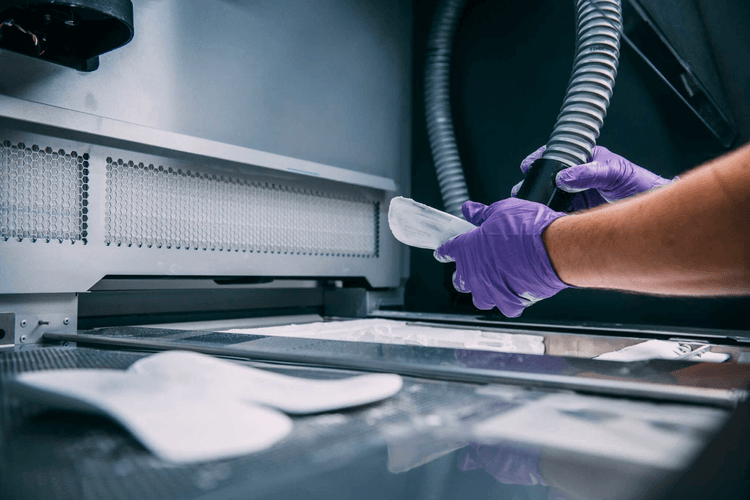
Sister companies Superfeet and Flowbuilt Manufacturing put their businesses on hiatus to help produce medical supplies by giving access to their 3D printers and production facilities. They have HP MultiJet Fusion printers and are prototyping medical equipment. Forty-year-old Superfeet is a 100% employee-owned company that makes insoles and footwear that is headquartered in Washington, one of the states hit hardest by COVID-19.
Upstate New York Custom 3D Printers Creates Face Shields, Shares Files So Others Can Help
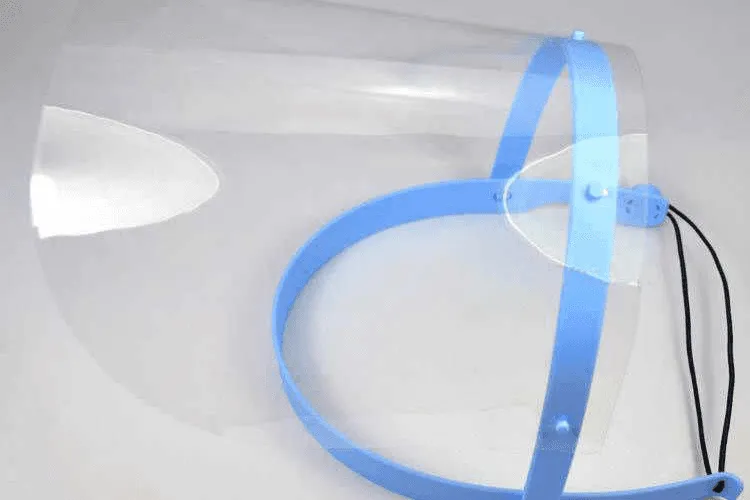
Budmen Industries’ Isaac Budmen and Stephanie Keefe developed 3D-printed face shields to help out medical professionals combating COVID-19. Extending about two inches from the wearer’s face, these clear plastic shields are created to be worn over a surgical mask. They’re single-use and made up of biodegradable plastic so they can both protect the wearer and the planet. The printing takes a little less than an hour, with the remainder of the hour being used to assemble the shields using store-bought elastic bands and foam tape. The couple began making the masks when they heard that a Coronavirus testing site was being set up in Syracuse, New York, near their Liverpool-based company, which manufactures and sells 3D printers. Now, others are getting in on the action: the school district in Liverpool disinfected a workspace for them, where teachers are now assembling the shields. If you want to help, they’ve provided the 3D Face Shield models, templates, and instructions on the Budmen Industries website.
Principals Work in Shop Class Converted into Mask Factory
Liverpool isn’t the only school district doing their part for medical personnel. Massachusett’s Cohasset Public Schools — like Deer Hill Elementary principal and her high-school-student son — are using 3D printing technology to produce much-needed masks. As the schools are closed due to social-distancing precautions, the shop classes have been converted to facilities for making the masks. Medical personnel have had to resort to reusing masks because of shortages throughout the country, so the district’s donation of 500 fresh masks to nursing stations, fire departments, and police departments are much needed.
World’s Only Copper-threaded Masks Multiplies Production 25-Fold
Coronavirus can live on plastic and stainless steel for several days and a full day on cardboard. In contrast, it can only live up to four hours on copper. With this in mind, CoureTex is ramping up production of its reusable facemask comprised of copper threads. The family business in Chile is reportedly the world’s only company to manufacture these types of masks. They received their “invention patent” back in 2018, but in the past three weeks they’ve multiplied production 25-fold.
China 3D Prints “Quarantine Pods” for Coronavirus Patients
In China, a 3D printer needs two hours per room to make a two-bedroom quarantine room for patients who have Coronavirus. The rooms are 32 square feet and connect to electric power. They can make up to 15 rooms every day. In addition to being practical for social distancing, the pods can be easily disinfected and reused. The 3D printing technology uses recyclable materials, like sand, making them environmentally friendly. They cost about $4,000 to make. You can watch a video of the 3D quarantine pods here.
Sheltering-in-Place Cypriot Walks Dog with a Drone
Finally, let’s acknowledge one man’s quest to make his beloved dog happy. The island of Cyprus began a lockdown on March 24 that will last until April 13 to curb the spread of Coronavirus, which has already claimed one life there and infected 116 others there. “We are truly at war,” said Cyprus President Nicos Anastasiades, advising that it “is a war that can be won if we stay sheltered.” Doing his part to shelter-in-place, Vakis Demetriou decided to use a drone to let his dog get a little fresh air while he stayed home. Turning to Instagram, he posted a video of the drone walking his adorable ball of fluff and captioned it: “5th day quarantine. Stay Home Safe but don’t forget your dog[‘s] happiness.”
Additional reporting by Lindsay Gilder and Mikaela Tierney.