
Mechanical engineering is considered the broadest of all engineering disciplines, mainly due to the field’s overlap with other areas of study, such as civil, chemical, and industrial engineering. As a result, mechanical engineers can be found in numerous industries working on a wide range of projects.
The versatility of this field has historically lead to rich job prospects for mechanical engineers, and the same seems to hold true for the future. Employment for mechanical engineers is expected to grow at 4% annually between 2018 and 2028, according to the U.S. Bureau of Labor Statistics.They do, however, also mention that this rate will most likely favor those who stay abreast with the latest technological advances.
While core mechanical engineering principles, such as thermodynamics, fluid mechanics, and machine design are still valid, expertise in composites, mechatronics, and nanotechnology are in increasingly high demand.
A Look at the Future of Mechanical Engineering
These new subject areas, which are the result of modern advancements, are prerequisites for several emerging and promising fields, including artificial intelligence, biomechatronics, and nanotechnology. Some of the areas where mechanical engineers are expected to be in high demand include:
Electric Vehicles
The transportation sector continues to generate thelargest shareof greenhouse gas emissions in the United States. Mounting pressures to use alternative sources of energy has helped to fuel the rise of electric vehicles. While mechanical engineers have always been essential in the automotive industry, their role is crucial now more than ever.
Replacement of the traditional internal combustion engine with cleaner, battery-powered systems brings new challenges regarding torque and energy loss, and the design of mechatronics to support new electrical systems.
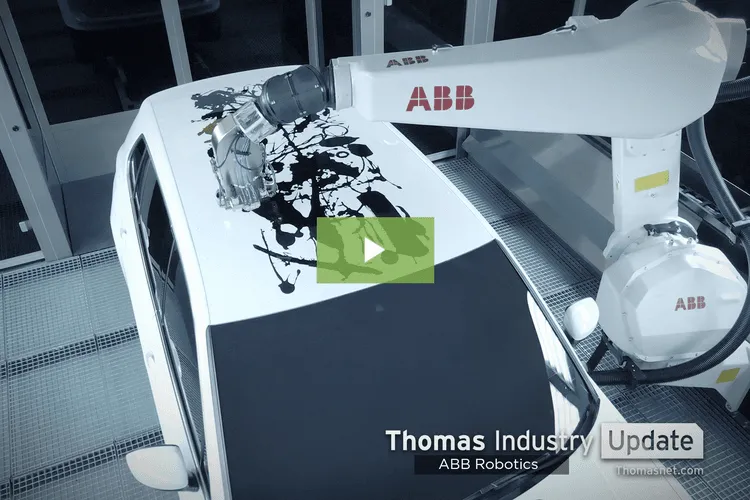
Furthermore, as vehicle manufacturing becomes more automated, mechanical engineers will be front and center in the design of robotics and assembly lines.
Nanoengineering
Nanotechnology refers to the manipulation of materials at the smallest level. This rapidly growing field is one that offers abundant opportunities for mechanical engineers.
In the years ahead, mechanical engineers are expected to be integral in using nanotechnology to:
- Create stronger composite materials
- Develop superior renewable energy storage systems
- Create advanced biomedical devices
Biomechatronics
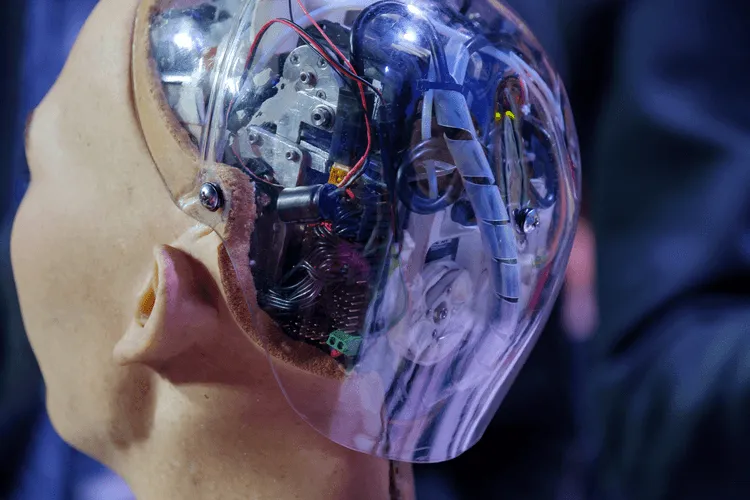
The role of mechanical engineers in robotics is taken a step even further with the rapid growth of biomechatronics. This field, which seeks to merge body and machine, involves the design and testing of complex and intricate device architectures that mimic the body’s musculoskeletal design.
Mechanical engineers will be primarily involved in the design of mechanical sensors, controllers, and actuators for biomedical devices used in prosthetics and miniature medical implants. In addition to the medical field, research is also being carried out on the use of biomechatronics in the military industry.
Manufacturing
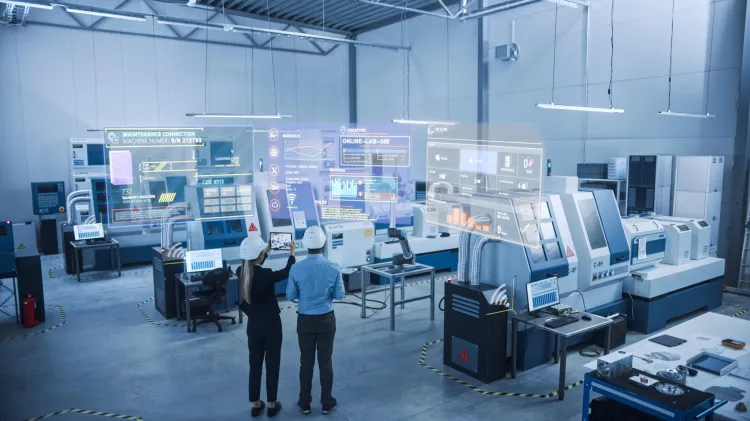
Manufacturing is an ever-evolving field. Mounting pressures to increase production efficiency while minimizing operating costs have fueled demand for new and innovative technologies.
Automation and robotics (an area in which mechanical engineers are crucial) continue to be essential in helping manufacturing industries keep up with consumer demand while maximizing profit.
However, according to HuffPost, despite the exponential growth of the manufacturing industry, many U.S. manufacturers are finding difficulty filling vacant positions for skilled workers, engineers included. This industry is therefore ripe with opportunities for professionals with mechanical engineering degrees.
While new technologies have no doubt changed the engineering landscape, the future looks bright for the mechanical engineering industry. New fields of study and subject areas will favor engineering graduates. Practicing professionals, however, will need to keep up-to-date with current and future advancements to avoid being left behind.