Engineers from the University of Connecticut are healing broken bones, but they’re doing it with electricity.
Minor fractures can heal on their own. However, more severe breaks, with missing chunks of bone or complete shatters, are more challenging to treat.
In the past, electrical stimulation has proven to enhance bone regeneration. Still, previous devices were big and bulky, and usually required electrical wires or batteries, as well as an invasive surgical installation and removal.
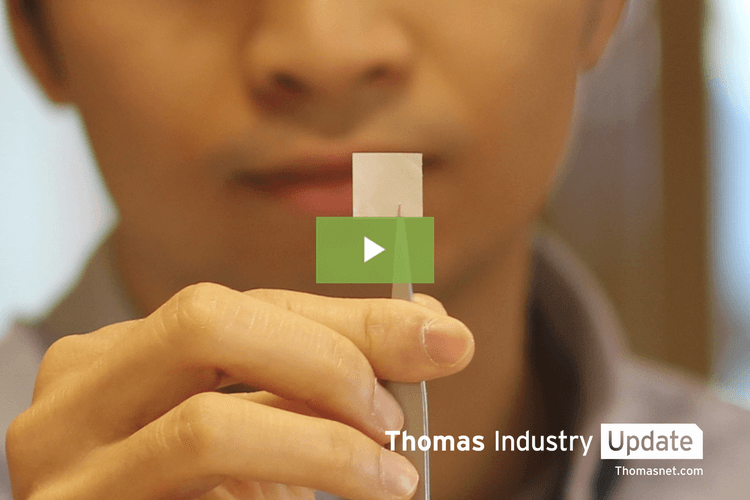
The team at UConn created a biodegradable polymer scaffold that generates a controllable electrical field to spur bone growth.
The battery-less and remotely controlled electrical stimulator consists of piezoelectric nanofibers that act as a scaffold. The scaffold is seeded with various stem cells and then electrified using an externally controlled ultrasound.
The voltage is small, just a few millivolts, and it’s created as the ultrasound vibrates the polymer scaffolding, which generates an electrical field.
In initial tests, the device successfully regenerated skull bone in mice.
In the future, bones could be healed by applying this scaffold and having the patient wave a wand over it a few times a day. Because it’s biodegradable, no follow up surgery will be required to remove the device once the bone heals.