In a bid to support the worldwide goal of carbon neutrality, two of the largest automakers in the world,Toyotaand BMW, have entered into an agreement to boosthydrogen technologyin vehicles.
Toyota, BMW Hydrogen Agreement
The two companies have already been working together for over a decade, signing anagreementall the way back in 2011 to develop eco-friendly automotive technologies, which they have already made impressive headway on.
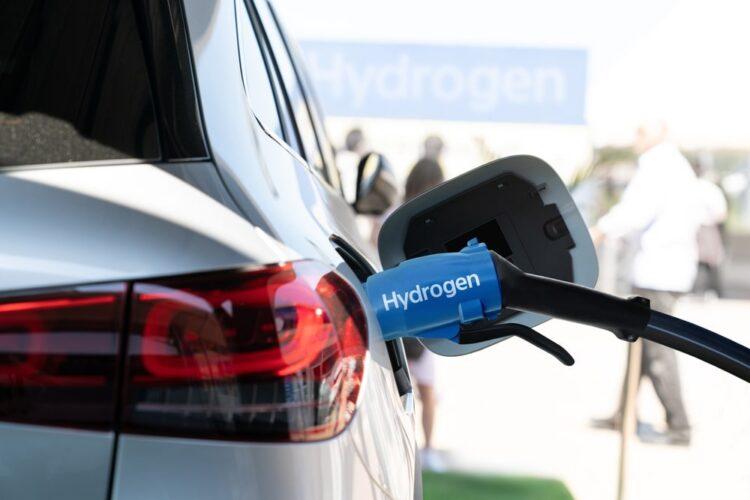
The new agreement will extend the automakers’ collaboration, and is aimed at making ahydrogensociety a reality by further developing green technologies. These include fuel cells systems, as well as hydrogen infrastructure.
Expansion of Hydrogen Lineups
One of the main goals of Toyota and BMW’s partnership is to make FCEVs (fuel cell electric vehicles) more accessible to everyday drivers. The companies are planning on installing the new fuel cell systems that they are currently developing in their FCEV lineups.
BMW is hoping to mass produce and release its first FCEV by 2028, whileToyotawill continue improving its mass-produced hydrogen-powered vehicle, theMirai.
Hydrogen Accessibility
Part of making FCEVs accessible is ensuring that customers can buy these cars at reasonable prices, and have no trouble refueling them. This is why the companies are focused on creating a sustainable hydrogen supply.
The new agreement covers Toyota and BMW’s collaboration with both hydrogen producers and refueling stations so that FCEV owners can power their cars readily, and affordably.
Toyota, BMW Other Endeavors
Both companies have expressed their commitment to achieving carbon neutrality, and are doing so in many ways. In addition to FCEVs, they’re developing battery electric, hybrid, and hybrid plug-in vehicle technologies.
These different options will give customers a selection of eco-friendly transport to choose from according to their needs, budget, and overall preferences, so that everyone can do their part to reduce global CO2 emissions.
Image Credit: Shutterstock/Scharfsinn