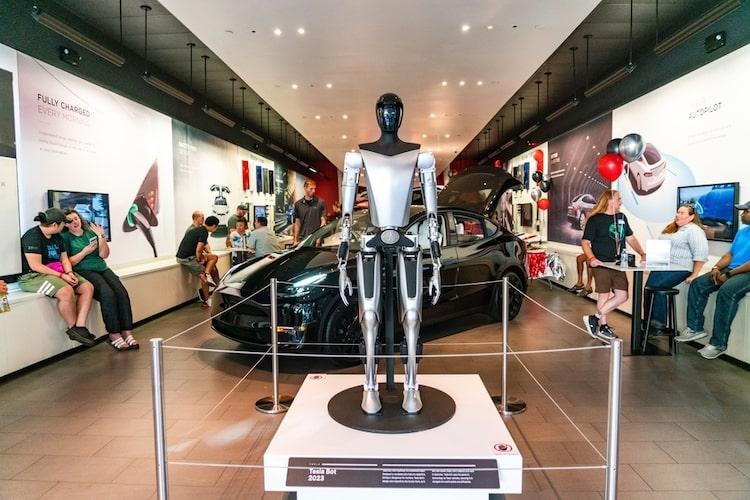
Image credit: Shutterstock/Roschetzky Photography
In the realm of technological innovation, few companies have garnered as much attention as Tesla. Known for its groundbreaking electric vehicles and expansive charging network,Teslais a company that has more up its sleeve than you might think. One example is its humanoid robot—Optimus—also known as the Tesla Bot.
It’s no secret that Tesla’s CEOElon Muskloves to push the boundaries of what’s possible, and his vision has propelled Tesla to become a world leader inroboticsand artificial intelligence.
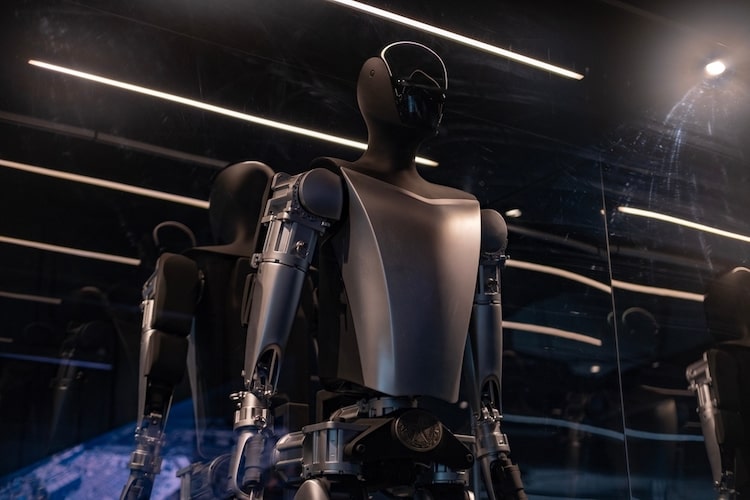
Tesla Optimus Robot
Elon Musk first announced Tesla’s venture into the world of humanoid robots during the company’s AI Day event in August of 2021. Tesla then unveiled its first prototype in 2022, during which Musk stated that the bot has the “potential to be more significant than [Tesla’s] vehicle business over time.”
An article in the Washington Postdescribed the botas being “skeletally clad, with wiring and hardware visible” as it lumbered on stage to wave to the audience. Since then, Tesla has launched the Optimus Gen 1, and its latest version, the Optimus Gen 2. So what’s so special about theTesla Bot? Here’s what we know so far.
The Tesla Optimus Robot Has a Brain
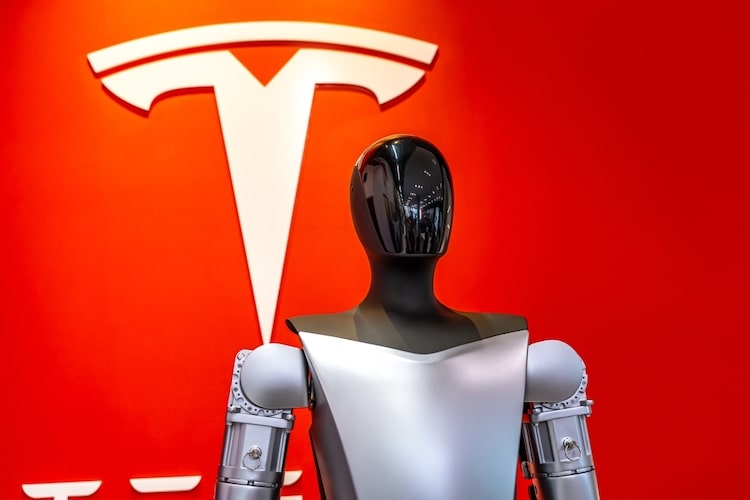
Each Tesla humanoid robot comes fully equipped with a trained neural network. Utilizing artificial intelligence, the robot can interact with the physical world around it completely autonomously. One video showed the Tesla Bot picking up batteries and carefully placing them into a container, even correcting and replacing one of them after it had been misplaced.
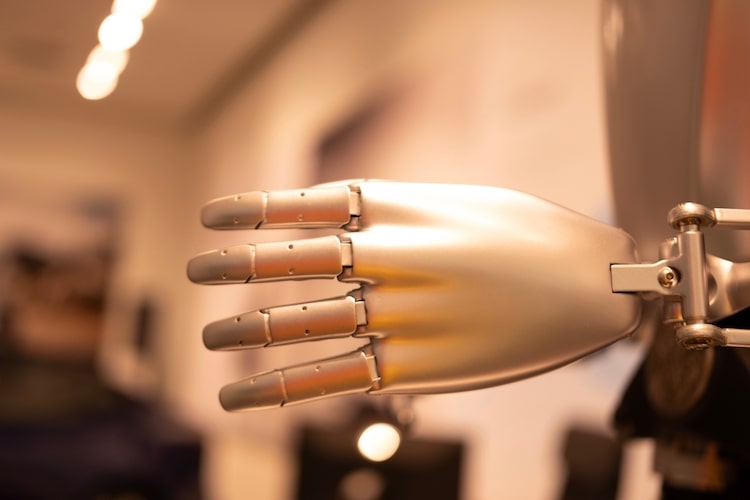
As potentially powerful as the Tesla Bot can be, it’s equally as gentle. Showcasing its state-of-the-art tactile finger sensors,a videoshowed the bot picking up an egg with one hand using only its thumb and index finger, transferring it to its other hand, and then placing it into an egg boiler. This indicates that the bot will have the ability to replace humans in certain mundane and repetitive tasks, especially ones that require sensitive handling.
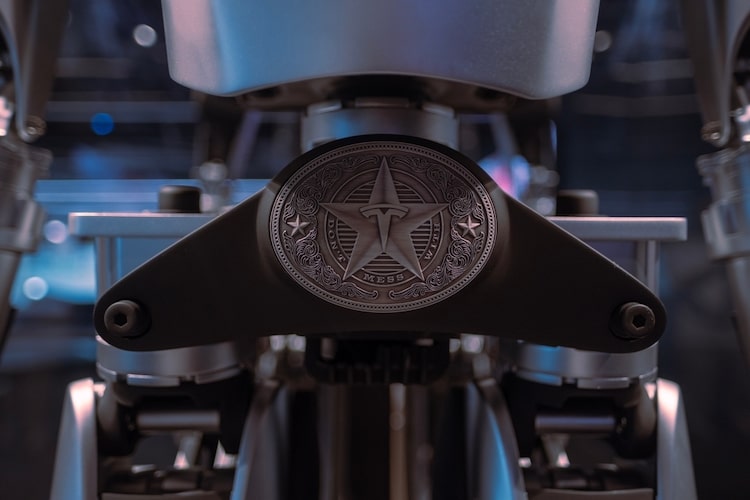
Unlike Tesla’s cars, Optimus isn’t very fast, but that’s something the company continues to work on. When Tesla unveiled the Gen 1, it showcased the bot’s human-shaped feet, articulated toe sections, and ability to walk like a human on two legs. However, its walking speed at the time was recorded at1.3 miles per hour.
With the launch of the Gen 2, Tesla has managed to achieve a 30 percent increase in walking speed, as well as excellent balancing capabilities, which is a breakthrough in the world of humanoid robots. The Gen 2 is able to do squats, and even some yoga poses, which is evidence of the progress Tesla continues to make. The company aims to have Optimus eventually walking up to speeds of five miles per hour.
Optimus is fitted with a similar artificial intelligence system that Tesla vehicles use. This system allows the bot to encounter new unknown locations, and use tracking technology to learn the surrounding area as it passes through. Once the process is completed and it has built a new map of the location, Optimus will remember those surroundings and act accordingly the next time it encounters that area.
Optimus is more than a hobby that Tesla is toying around with. The company intends to mass-produce the Tesla Bot much to the scale of its vehicle production. The purpose? We’re not quite sure yet, but Elon Musk did mention that Optimus will likely cost less than $20,000 per unit, which is less than half the price of Tesla’s entry-level Model 3.
Within recent years, we’ve witnessed exponential growth in the world of artificial intelligence, but these AI-powered tools, such as ChatGPT, primarily exist within a computer. The Optimus robot, however, could be the key to human-level artificial intelligence due to the way it interacts with the world around it.
“I’m Not Sure Where it Ends Up”—Elon Musk
When asked what the end goal was for Optimus during Tesla’s AI Day 2022, Musk responded “I’m not sure where it ends up.” He continued, “Someplace interesting for sure.” These remarks could imply that Tesla is investing millions of dollars into the development of robots based on a hunch that humanoid robots will become popular in the near future—although the reason for their potential popularity is still uncertain.
It Might Take Longer to Develop Than Expected
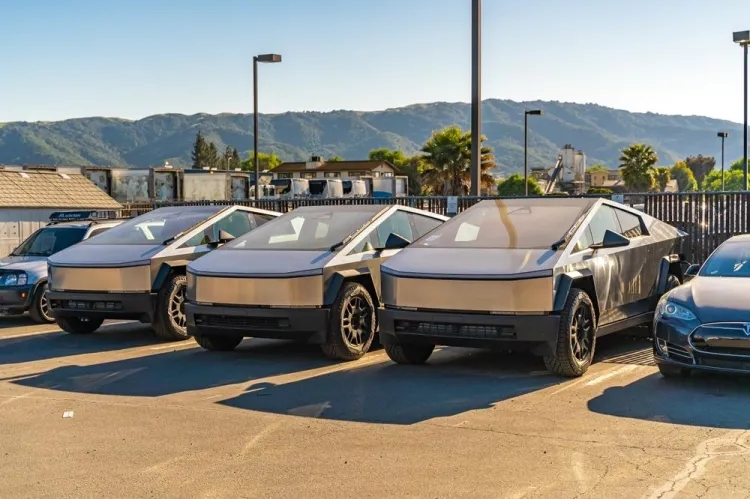
It’s no secret that Elon Musk tends to be overly optimistic about deadlines, and his proposed ETAs in the past have proven this. The Tesla Cybertruck, for example, was supposed to be ready by 2022, but it wasn’t actually released until the end of 2023. As far as the Tesla Bot goes, there’s a lot more new technology that needs to be tested before the bot is ready for purchase. Musk says that the Tesla Bot could start shipping in 2025, but in reality, it could take significantly longer before you can order your Optimus robot.
Tesla Optimus Robots—Conclusion
The Tesla Bot is undoubtedly an impressive feat of engineering. Though there are many uncertainties about its future, Tesla remains confident that it will be useful and its demand will grow. So far, no one seems to know where Optimus will fit in, but some speculate that these bots could make excellent factory workers. Despite the bot’s undetermined future, we’re excited to see Tesla’s progress, and eagerly anticipate the day when the public can bring home their own Optimus bot.