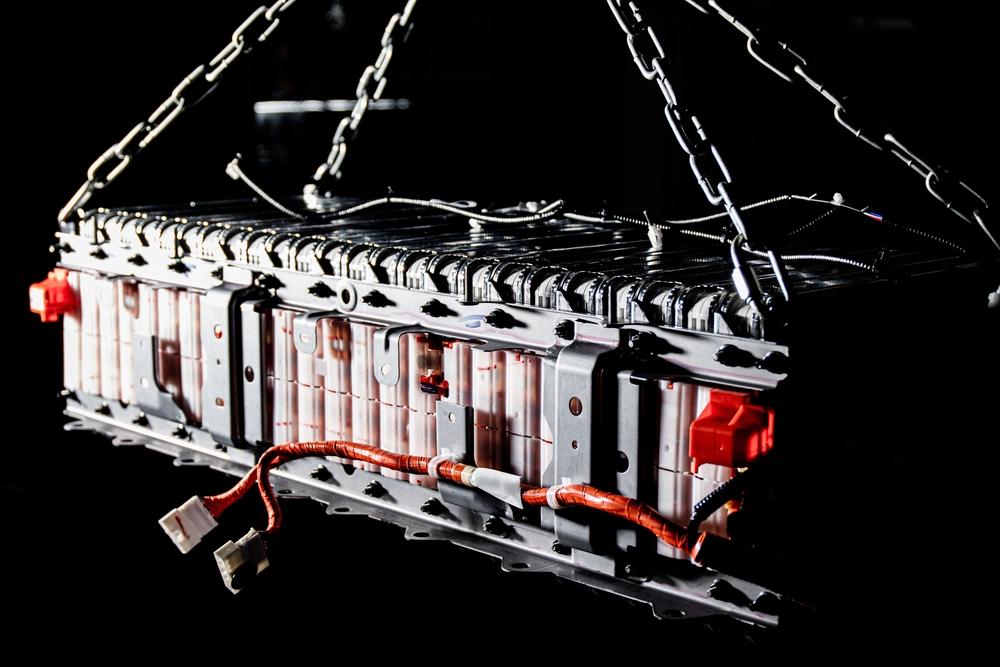
Researchers at an Australian university believe that a new battery design could revolutionize the world’s energy storage potential and help the transition to a more sustainable society.
The team from Edith Cowan University (ECU) in suburban Perth wrote in the journal EcoMat that they have developed a practical zinc-air battery. Zinc-air batteries, which combine a negative electrode made of zinc with a positive electrode containing air, offer lower costs, less environmental impact, more energy density, and improved safety compared to conventional lithium-ion batteries, but the air electrodes generally perform poorly, and the overall batteries do not last very long.
ECU researchers, however, indicated that they successfully used other materials — specifically iron, carbon, and cobalt — to create a new design with higher stability and power density. The resulting system, the project’s leader said, was so efficient that it suppressed the battery’s internal resistance.
The rechargeable batteries could effectively store energy from intermittent renewable power sources, such as solar and wind, but ECU scientists suggested that they could also help meet the needs of next-generation clean power technologies — including next-generation electric vehicles and even aircraft with electric propulsion.
More Battery Insights
- 7 Lithium Battery Alternatives
- 5 Trends Charging the Battery Market
- Innovations in the EV Battery Market in the U.S.
- CATL Designs Fast-Charging EV Battery that Rivals Gas-Powered Vehicles
- Types of Electric Car Batteries: A Comprehensive Guide for Manufacturers
Image Credit: P5h / Shutterstock.com