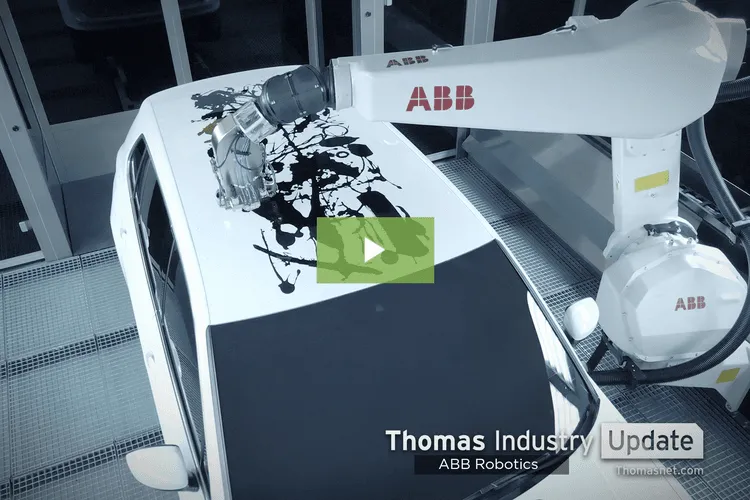

The Rise of Mass Customization
For the U.S., the early days of mass production reflected the democratic ideals of America by manufacturing large quantities of products designed to accommodate the needs of an entire population. In addition to improving productivity, mass production also spurred the rise of consumerism, modern leisure, and individuality.
But now, instead of standardized products that can broadly appeal to the population as a whole, today’s modern consumer demands personalization and customization. This shift is largely due to the range of options provided by smartphones and tablets, along with the individuality and self-expression messages of social media and influencer culture.
While mass production was a revolutionary innovation for the manufacturing industry, it is also inflexible and doesn’t allow for easy personalization. Mass customization, on the other hand, combines the flexibility of custom type products with the production and cost efficiency of mass production.
Types of Mass Customization
There are four basic types of mass customization:
- Collaborative Customization: This approach towards customization involves a company speaking directly with their customers or clients. Together, company and customer develop personalized products for that specific customer.
An example of this business model is eShakti, an online women’s fashion retailer and manufacturer. The website provides general blueprints or designs of different eShakti clothing items; during the ordering process, women are given the opportunity to customize their clothing based on body measurements, color, and other design elements such as neckline and sleeve length.
- Transparent Customization: This business model incorporates companies gathering data on their customers to create customized products. These products are not exactly advertised as being customizable; the model is generally applicable when customer needs are predictable, or if the customer prefers not to have an active conversation about it.
An example of this is Spotify’s personalized playlists. Spotify collects data on users’ listening habits and tastes, later using this information to create curated lists unique to each user. Using data metrics, each list is designed to provide each user with both familiar and new music that they will enjoy.
- Adaptive Customization: This type of personalization retains the production of standardized products. However, these products can be altered by the user to fit their individual needs and tastes.
The most obvious example of this type of customization is a smartphone. Users purchase an off-the-shelf phone and then, using the provided software, customize how their phone operates and looks. Customizations can include things like wallpaper, ringtone, and menu structure.
- Cosmetic Customization: This type of customization has little to do with a customized product, and more to do with a customized marketing scheme or packaging design. It can also include standardized products that are produced with multiple unique aesthetics.
A commonly-known example is PopSockets, a brand of pop-out device grips that are often used on the back of phones. Each PopSocket is mass-manufactured according to a specific set of proprietary standards, but are available with thousands of different top designs. This guarantees that while the product is mass-produced, every unique consumer can find a PopSocket that speaks to them.
What Mass Customization Means for B2B Manufacturers
Although mass-customization is geared more toward B2C companies and consumer product industries, it will inevitably have an impact on B2B and industrial manufacturers because of demand traveling upstream from consumers to industrial buyers and a growing need for customized industrial components and parts.
For manufacturers, examples of customization on a mass-scale can include tailoring standard catalog products for essential customers, creating a diverse array of add-ons and accessories for products, or creating new marketing schemes for specific customer groups.
In order to prepare for the mass customization trend, manufacturers are urged to invest in digital manufacturing tools, such as agile automation software and 3D printers, which can help them efficiently produce low-volume production runs.
The Future of Mass Customization
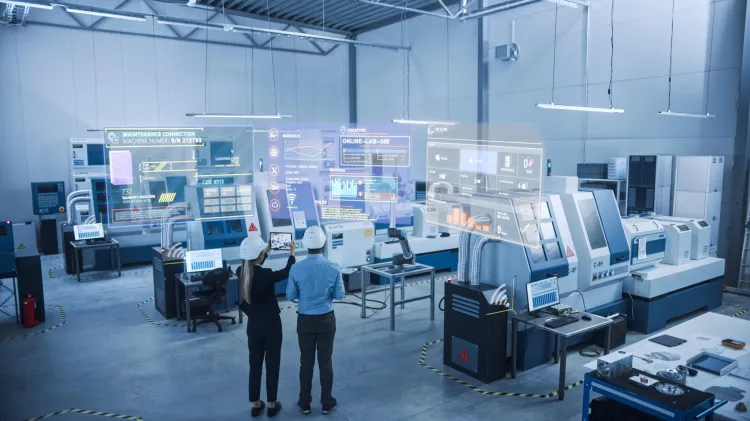
Today’s manufacturers find themselves at yet another revolutionary juncture. The innovative technologies of Industry 4.0 have made it possible for automation to reach far beyond the limitations of mass production and stumble into the world of mass customization. Driven by the increasing consumer demand for personalization, this trend is sure to have an impact on the B2B market.