Image Credit: biggaju / Shutterstock.com
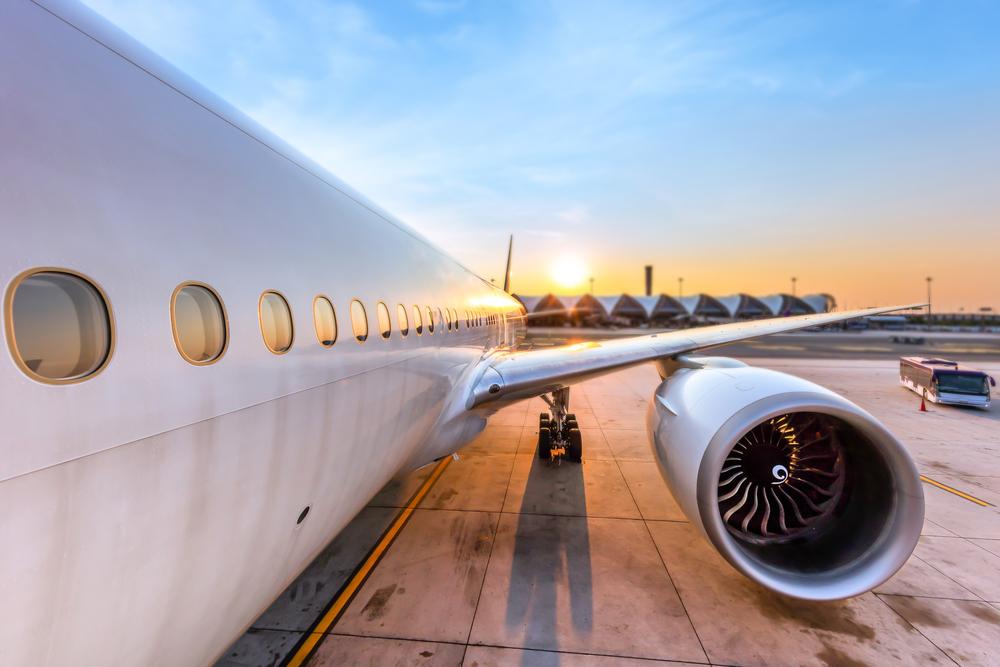
The aviation industry has a big challenge ahead as it looks to trim carbon emissions from commercial and passenger jets. According to the International Energy Agency (IEA), aviation accounted for 2% of total global carbon emissions in 2021, and that figure has been growing faster than in any other transportation sector.
In an effort to rein in its carbon footprint in alignment with regulatory objectives, the industry has looked toward developments in aerodynamics and weight reduction to optimize current craft technologies. It has also explored alternatives to traditional kerosene-based power, including electric or hybrid airplane models and, also, alternative fuel sources.
The latter has focused on Sustainable Aviation Fuel (SAF), a formula designed to take the place of traditional fuels (all or in part) but made with low-carbon materials. Typically, SAF is produced using biomass and other waste resources, including wood mill byproducts, algae, waste oils, and agricultural residues. Researchers say the materials burn cleaner and reduce emissions in local communities where takeoff and landing take place. Still, barriers exist to SAF implementation and scale, including higher costs and a lack of policy directives.
The European Union, however, recently made some progress on implementing regulatory mechanisms as they pertain to the bloc’s use of SAF: the world’s largest SAF blending mandate to date.
As reported by Aviation International News (AIN), the EU is on track to pursue legislation that requires SAF to account for a minimum of 2% of all aviation fuel by 2025. From there, the implementation gets more aggressive — by 2030, 6% of flights within or departing from the EU will need to utilize SAF and regulations will increase incrementally to 70% of all aviation fuel used in the EU by 2050.
Adina Valean, EU commissioner for transport, called the rule a “turning point” in the bloc’s quest for improving the aviation industry’s carbon footprint and reducing the region’s reliance on imports of fossil fuels.
The report added that as many as 59 new bio-refineries are being developed in Europe, though airlines have continued to stress that a policy framework must incentivize those bio-refineries to produce as much SAF as possible.