Search for Machinery related knowledge and articles
Article
Safe, Zero-Waste Recycling for Ballistics Materials
This article is sponsored by Fiber Brokers International, LLC, a recycling company that procures scrap ballistic materials and retired body armor to s...
This article is sponsored by Fiber Brokers International, LLC, a recycling company that procures scrap ballistic materials and retired body armor to supply fibers to recycling partners for non-ballistic goods manufacturing.
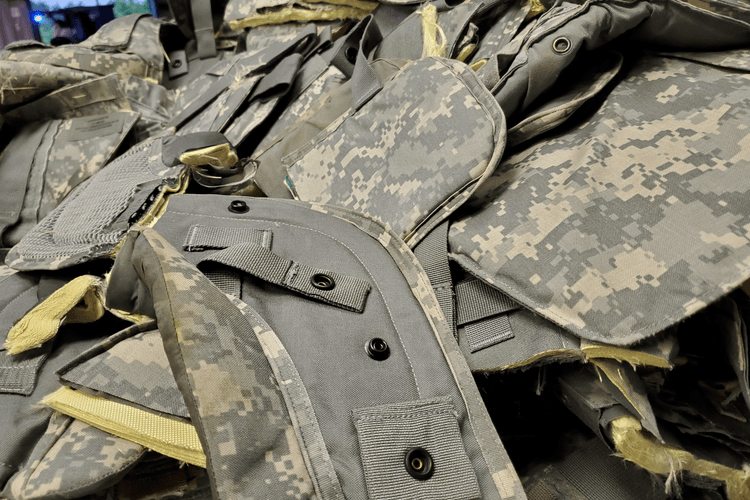
When body armor and bulletproof vests reach the end of their service life, law enforcement and military organizations must dispose of ballistic materials in accordance with National Institute of Justice (NIJ) regulations. These standards ensure that service equipment is responsibly destroyed, leaving no chance that it will end up on the black market and back in circulation. Rather than adding waste to landfills, however, companies like Fiber Brokers International, LLC, see the value in taking ballistic materials and safely recycling them to help manufacturers create new products.
“What happens is that manufacturers give body armor a warranty of five years. After that, users need to turn them in and get new armor, but that doesn’t mean that the material is worthless,” says Kyle Lami, lead material procurement specialist. “Our goal is to acquire aged vests, do an inventory, and send the customer a list of serial numbers and a certificate of destruction.”
William McCrary III, vice president of procurement and sales, explains, “This gives our customers documentation to verify NIJ compliance for disposing these materials.”
For over 15 years, Fiber Brokers International has focused on the safe destruction and recycling of ballistic and non-ballistic materials. The company acts as an intermediary between law enforcement or military organizations with out-of-service body armor and recycling outlets that can reuse the raw materials in pulp or fiber form, minimizing waste in North America.
Retired body armor arrives at their facilities in boxes sealed with tamper-evident tape. Team members place ballistic materials in locked storage until they complete an inventory. Finally, they deconstruct the vests and send them through a shredder to pull the ballistic fibers apart for safe reuse.
Get to Know Fiber Brokers International
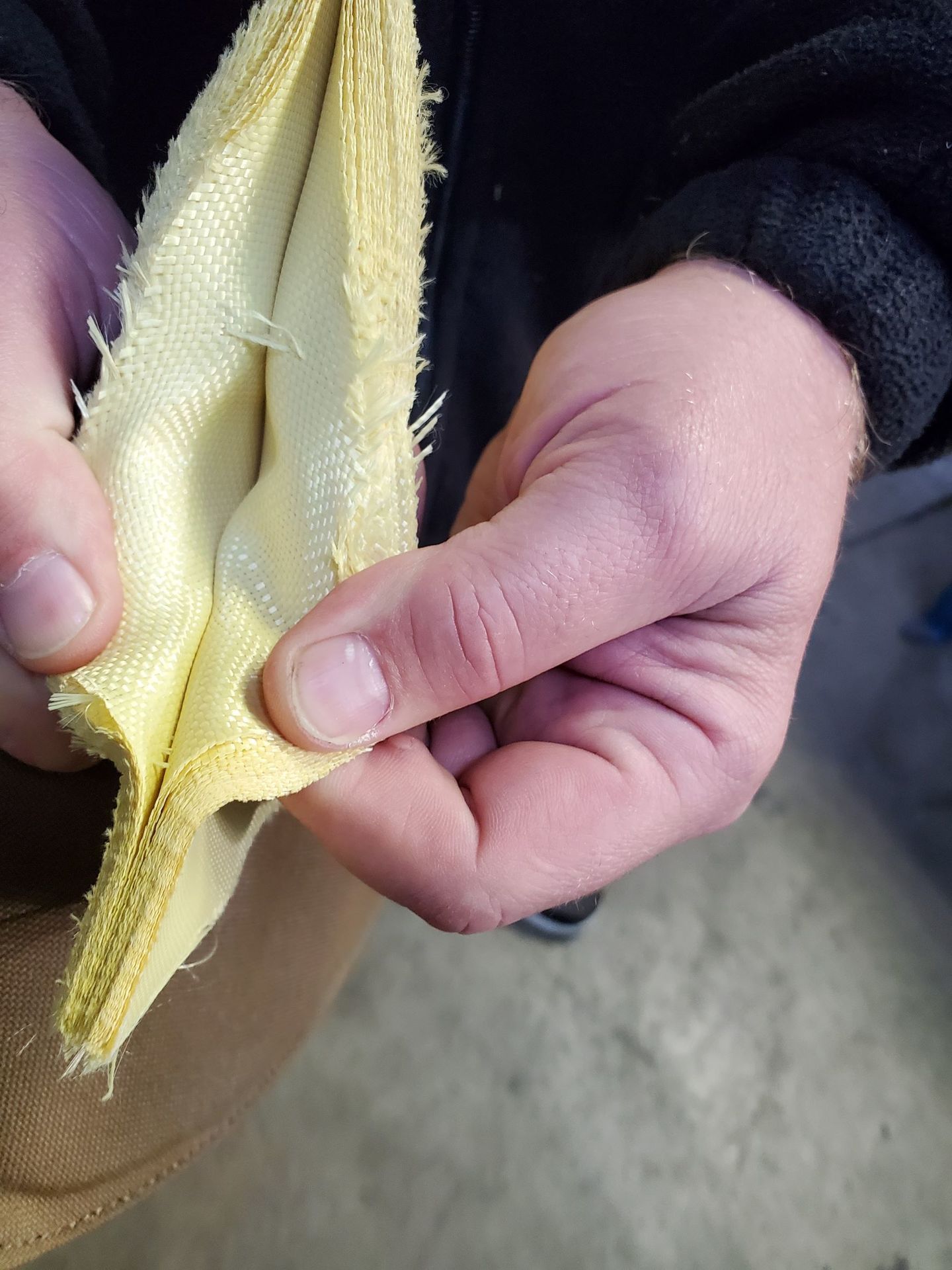
Fiber Brokers International works with both technical and non-technical personal protective equipment (PPE) as well as time-sensitive ballistic materials, with capabilities for recycling Kevlar®, Zylon®, Twaron®, and other fibers.
The company follows a stringent material logging and tracking process. Through chain of custody (CoC) documentation, the company generates a paper trail recording the verifiable transfer of body armor to Fiber Brokers International and an official certificate of destruction.
With a focus on sustainability and waste reduction, Fiber Brokers International can assist companies in meeting their goals for the EPA’s WasteWise program.
Thomas Insights (TI): What do ballistic fibers get recycled into?
Kyle Lami (KL): We’re reusing ballistic fibers to make non-ballistic products. The companies that we partner with take the recycled ballistic materials that we have and they create brake pads, car tire treads, cut-resistant work gloves, boat rope, and fire hoses, all kinds of interesting things. Always non-ballistic.
William McCrary III (WM): Our customers are happy that we have a very safe and secure disposal system. We take the vests, bring them in-house, cut them apart, and designate the material to different recycling outlets. That’s been the base of our company. When we recover ballistic and non-ballistic materials from manufacturers, this scrap material will not be used in body armor or for ballistics purposes, so you can trust that it is disposed of properly, without any liability.
TI: What’s the biggest question you get from prospects and customers?
WM: “Can you recycle this type of material?” The answer is typically yes. The byproducts we recycle include coated and uncoated para-aramid fibers, meta-aramid fibers, carbon fibers, Kevlar® yarns, nylon, and numerous polymers. I have a polymers background and the company has a good global outreach. We have a lot of outlets for different materials that can be recycled, so that helps a lot. We work with an ever-growing list of materials and fibers, but our main focus is para-aramid aged bulletproof vests.
KL: I’m specifically looking for expired ballistic vests and other ballistic items. On my end, it’s “What are you going to do with this vest when I send it to you?” Customers are worried about where it’s going to go. I let them know that we’re going to destroy it, and it’s not going to get into the wrong hands. They can feel confident about sending it to us.
TI: How does Fiber Brokers International help manufacturers?
WM: We are dedicated to helping companies with their zero-waste recycling efforts through our innovative green recycling programs and supporting eco-friendly processes. The company aims to help manufacturers minimize their impact on the environment while reducing energy costs for material production, creating useful products whenever possible.
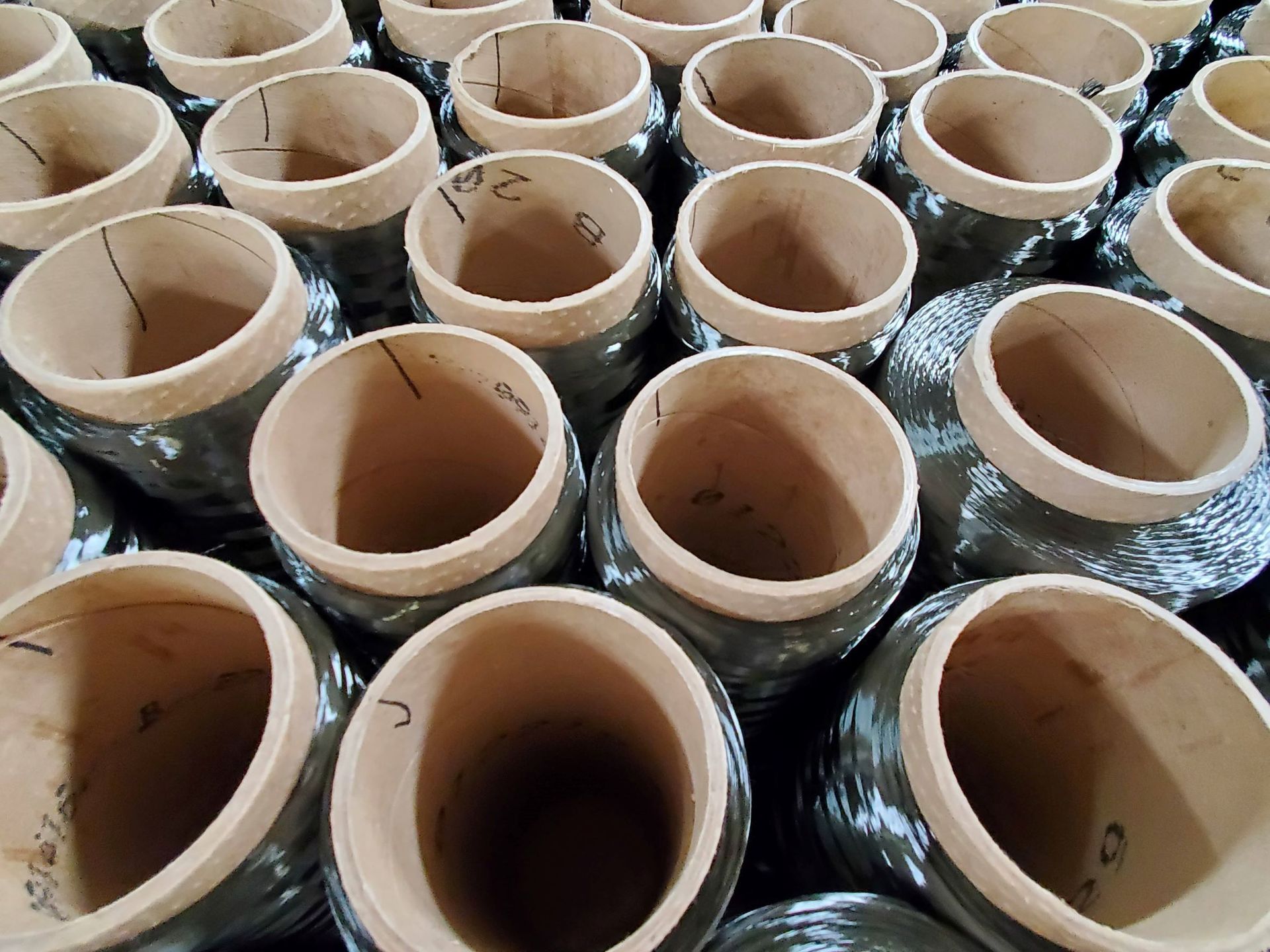
It takes a lot of energy to create these fibers, as they’re difficult to obtain from nature. However, manufacturers often discard scrap material from the production line. They’ll have cut-and-sew pieces or clips of material that we can take, break down, and turn back into a fiber. We work with ballistics material manufacturers to properly dispose of excess material and leftover scrap that doesn’t get used in production. So that’s really our main push, to reach other manufacturers to buy material.
KL: The service that we offer is twofold. We strive to create new ways to reclaim hard-to-recycle material and keep waste out of landfills. We reuse and repurpose it. Secondly, we provide the destruction of the vests.
TI: What are you doing to stay ahead of the curve?
WM: There is increasing competition, mainly smaller competitors. But there’s a significant number of people who have figured out what we do. It’s a tough business to be in. Our company’s age has helped us a lot, and our exposure and current clients. What sets us apart is our manufacturing, the plant we have, and the number of employees. That gives us an edge to be able to bring in more material. Also, we have a lot of repeat business because of our age. We have over 15 years of experience partnering with manufacturers and various recycling program providers.
In textile and manufacturing markets, there are problematic materials regarding recycling, including manufacturing byproducts and end-of-life items. Fiber Brokers has a substantial focus in 2022 on converting hard-to-recycle items, such as coated yarns and fabrics. We’ve been doing a lot of research and have come up with two new technologies for recycling difficult materials like coated para-aramid and coated Kevlar® fabrics.
In the fourth quarter, we will add cutting-edge technology to convert those materials back into useable feedstocks. We are actually building some new machinery, and we should have that in place by the end of the year. Being more established, having more employees, and having repeat business, we are able to develop technologies to recycle materials that other companies can’t. That’s something we’re doing where we can get ahead of the curve. That experience means that we can provide better customer service for our manufacturing clients.
TI: What charities do you support?
KL: Fiber Brokers International supports numerous charities and environmental organizations, such as the USO, Wounded Warrior Project, Oceana, Boys & Girls Clubs of America, and the Leukemia and Lymphoma Society, among others.
Newsletter
Subscribe our newsletter to get latest news & promotion
Ray is an expert in grinding polycrystalline diamond (PCD) and cubic boron nitride (CBN) tools. He works with technologies like laser machining, EDM, and CBN wheels to deliver ultra-precise results for hard and brittle tool materials.
In its third generation of family ownership, R.J. Thomas Mfg. Co. Inc. has offered manufacturing and design services for park, campground, and streets...
In its third generation of family ownership, R.J. Thomas Mfg. Co. Inc. has offered manufacturing and design services for park, campground, and streets...
On October 4, 2024, it was announced that Hyundai Motor Company and Waymo, a self-driving technology company, would be entering into a long-term deal...