Image credit: MAD.vertise/Shutterstock
As the manufacturing sector strives to adopt sustainable practices, minimize resource waste, and shrink its global footprint, several proposed solutions have emerged. The most promising approach is known as a circular economy.
Let’s dive deeper into what the circular economy is, its benefits, and the challenges that could hinder the adoption of this manufacturing strategy.
What Is a Circular Economy?
The manufacturing sector is undergoing a global sustainability movement. This movement emphasizes maintaining or increasing manufacturing production while avoiding the depletion of Earth’s natural resources.
To achieve waste reduction and improve resource efficiency, the manufacturing space must embrace the concept of a circular economy.
In a traditional linear economy, resources are harvested from the planet and used to make goods. When those goods have reached the end of their useful life, they are discarded, and new materials are harvested.
Conversely, a circular economy aims to create closed-loop systems in which materials are recycled and reused perpetually to create zero-waste manufacturing processes.
The Benefits of Implementing a Circular Economy
Implementing circular economy principles can benefit manufacturers, their customers, the economy, and the planet.
Some of the most notable benefits of circular economy principles include:
Manufacturers adopting a circular resource management model can reduce material sourcing expenses and unlock significant cost savings. They can use this additional capital to explore new business opportunities, optimize existing product offerings, and grow their presence within the global economy.
Resource conservation is one of the most notable benefits of a circular economy. While manufacturers cannot yet create zero-waste closed-loop systems, they can significantly reduce resource consumption.
When more resources are being recycled and reused, the need to harvest new raw materials is drastically reduced.
Recycling metal, plastic, and paper products require considerable energy. However, it is still far more efficient than harvesting new raw materials and shipping those supplies globally. As recycling technologies evolve, the closed-loop model will become even more energy-efficient.
Embracing circular economy principles can help manufacturers improve their reputation with consumers. This, in turn, can lead to significant improvements in sales.
According to recent data, “sustainable” products experienced sales growth at a2.7 times faster ratethan products not marketed as sustainable. Researchers also found that consumers would pay more for environmentally friendly products.
Implementing closed-loop manufacturing systems will createtens of thousands of new jobs. Circular economy principles will lead to new jobs in recycling and reuse verticals.
Opportunities include harvesting and transporting recyclables, working at reuse facilities, and delivering repurposed materials to manufacturers.
Mining operations rely on multiple pieces of heavy machinery, almost all of which are powered by fossil fuels. Harvesting materials from the planet, processing them, then shipping them to manufacturers all involve burning fossil fuels.
The cumulative impacts of these processes on greenhouse gas emissions are immense. A transition to a circular economy can reduce emissions and slow global warming.
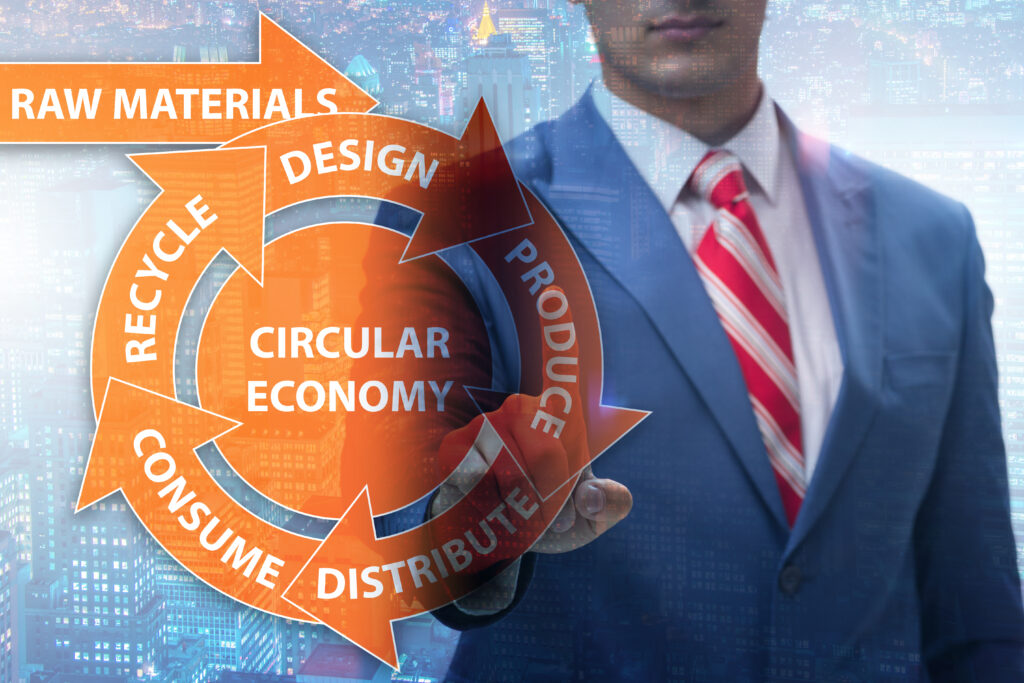
Image credit: Elnur/Shutterstock
Key Elements of a Circular Economy
The success of a circular economy hinges on the system’s ability to harvest, purify, and reuse raw materials from existing products.
To facilitate effective material recovery from manufactured goods, circular economy work must address the following elements:
Design for recycling is the process of creating new products with their end of life in mind. Manufacturers should design products and their packaging to support the separation and recovery of raw materials. For instance, manufacturers could package their goods in paper instead of using multi-material packaging like blister packs.
Extended Producer Responsibility(EPR) is a concept that holds manufacturers accountable for a product after it has reached the end of its useful life. This approach encourages manufacturers to consider the environmental repercussions of products when they reach the disposal/recycling stage.
Placing a deposit return on drink containers like glass bottles or aluminum cans provides a monetary incentive to recycle waste materials while holding manufacturers accountable.
Under the circular economic model, manufacturers are encouraged to invest in product life extension. This framework focuses on maximizing the useful lifespan of various products, reducing waste, and delivering more value for consumers.
For example, a manufacturer could design its electronic products to run on rechargeable batteries instead of disposable batteries.
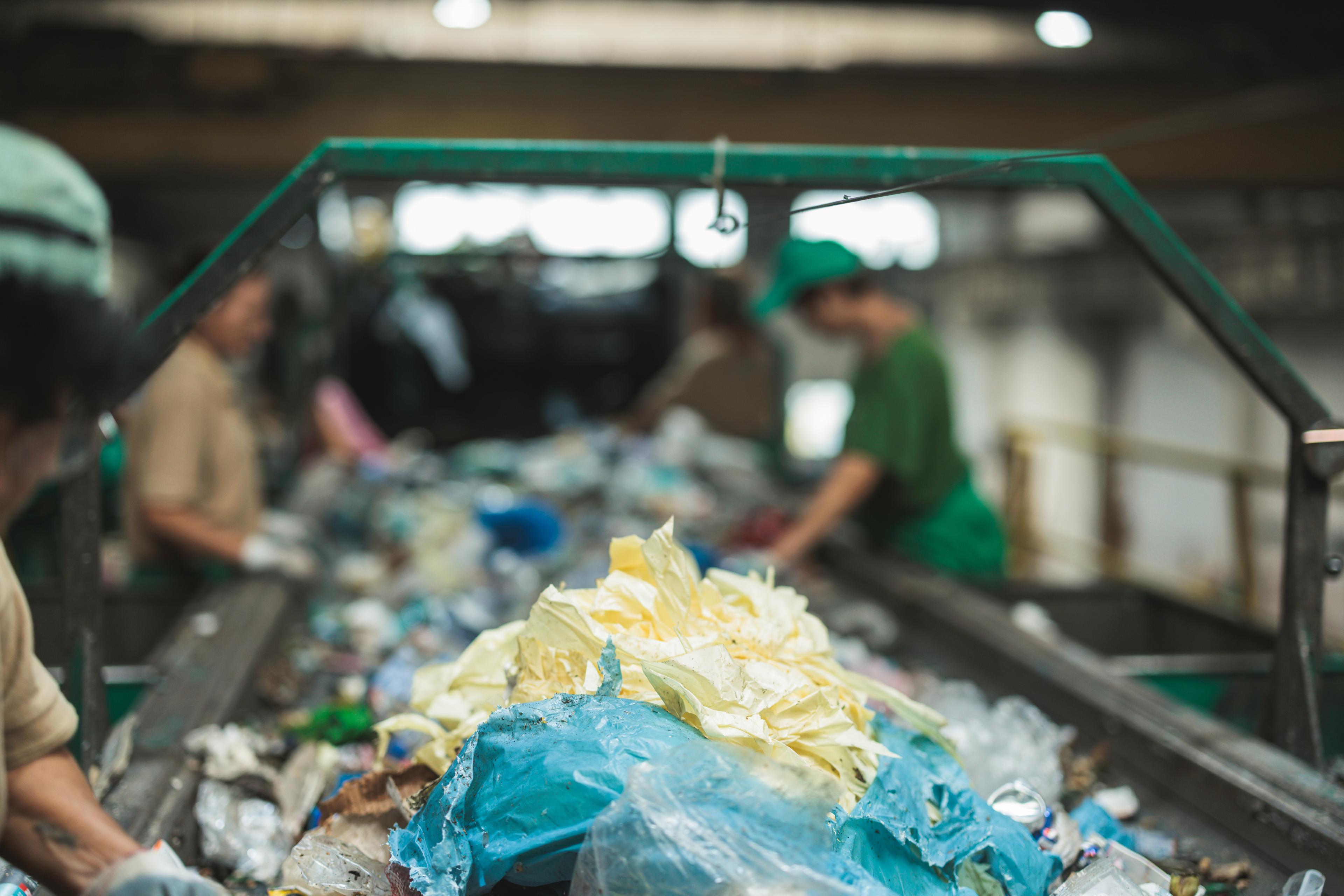
Before waste can be recycled and reused, it must first be recovered. Material recovery strategies focus on getting recyclable waste from consumers to reuse facilities. These strategies typically involve a collaborative effort between independent recyclers, manufacturers, and municipal governments. City-issued recycling bins are a prime example of a material recovery strategy.
The ultimate goal of the circular economy is to create closed-loop systems that produce zero waste. In a closed-loop system, every product is recycled without degrading any of the raw materials it contains. In turn, these materials are redistributed to manufacturers and transformed back into usable products.
Challenges in Implementing Circular Economy Principles
Numerous challenges can hinder manufacturers’ ability to embrace circle economy principles, including:
Technology limitations are one of the biggest barriers, as current recycling solutions can only recover some raw materials. The costs associated with investing in new infrastructure and processes are another major hurdle to creating a circular economy.
Successful Examples of Circular Economy Implementation
While there are obstacles to implementing circular business models, some brands have already made great progress toward more sustainable manufacturing.
For instance, Adidas has reduced waste and decreased carbon emissions by creatinghighly recyclable footwear. Its UltraBoost DNA Loop shoes do not use glue but are instead made from thermoplastic polyurethane (TPU), which is molded using high temperatures.
Another shining example isBurger King. The fast-food giant has made recycling existing materials easier by switching to sustainable packaging. Thus far, the company has only launched its reusable and recyclable packaging at a few limited locations. But if it expands the initiative globally, it could drastically reduce its waste production.
Image credit: TongRoRo/Shutterstock
The Future of Circular Economy in Manufacturing
As a result of global trends like resource scarcity, climate change, and the need for supply chain resilience, the circular model is poised to reshape the economy and forever change manufacturing. That said, driving the adoption of circular economy principles will require technological innovation, collaboration on a worldwide scale, and strategic government action to promote sustainability.
If manufacturers and government leaders successfully accelerate the adoption of circular economic models, the entire global economy will reap the benefits.
Adopting the Circular Model
The circular model for the manufacturing economy is the key to promoting sustainability among entities along every link in the supply chain. However, organizations, regulatory bodies, and governments worldwide must continue pursuing innovation through joint movements to overcome the inherent challenges of the circular model.
At the individual level, businesses in the manufacturing space must do their part to adopt circular model principles to support the sustainable manufacturing movement and reduce their carbon footprint.