The Bessemer Process is high on the list of the most significant industrial innovations of the 19th century; in a nutshell, the process made steel production more affordable and accessible. It was responsible for the rapid expansion of railroads, the rise of skyscrapers, and the development of mass production techniques.
Who Was Henry Bessemer, and How Did He Develop the Bessemer Process?
Henry Bessemer was an English engineer and inventor who developed the first inexpensive process for manufacturing steel. His interest in developing a stronger artillery material during the Crimean War led him to this development.
In 1856, he came up with his breakthrough process—blowing air through molten pig iron to oxidize and remove carbon impurities—which made steel production faster, cheaper, and safer in an era when the metal was both scarce and costly.
Cheaper, High-Quality Steel Led to Economic Growth and Urbanization
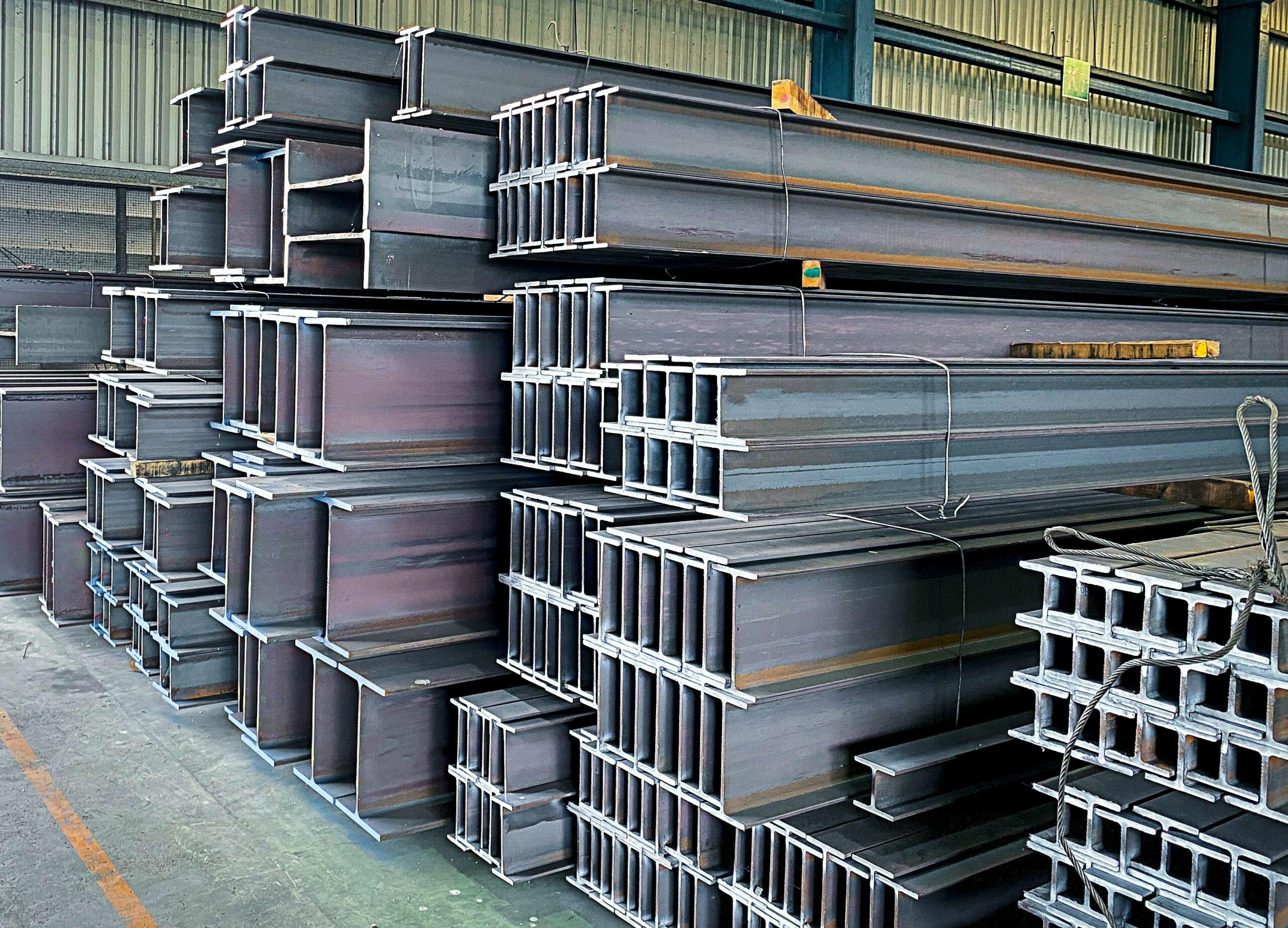
The ability to produce large quantities of steel at a fraction of the previous cost meant industries like railroad construction, shipbuilding, and manufacturing could now afford the material on a large scale.
Indirectly it also spurred urbanization, and cities grew from scratch, with steel becoming the material of choice for constructing bridges to steel-frame skyscrapers.
How the Bessemer Process Changed Industrial Labor and Production
Steel production once required highly skilled workers who carefully controlled the chemical processes involved in steel production. Bessemer’s air-blowing method reduced the need for specialized skills, allowing unskilled laborers to work in steel mills.
More importantly, the Bessemer converter turned pig iron into steel in about 20 minutes—previous methods took days! This boost in production efficiency ultimately led to steel mills scaling up operations and factory-based industrial workforces taking center stage.
Image credit: Shutterstock/saweang.w