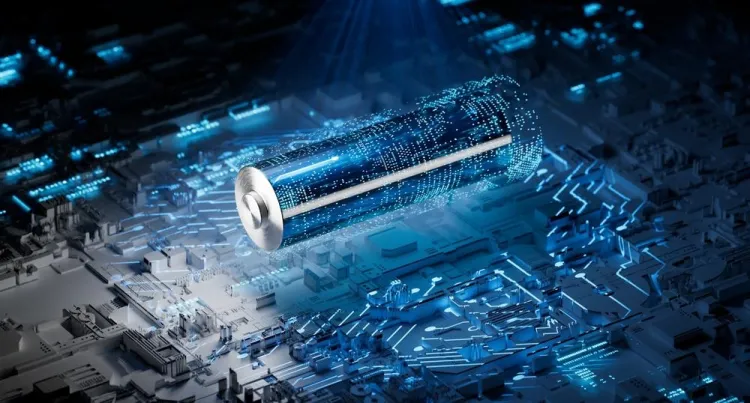
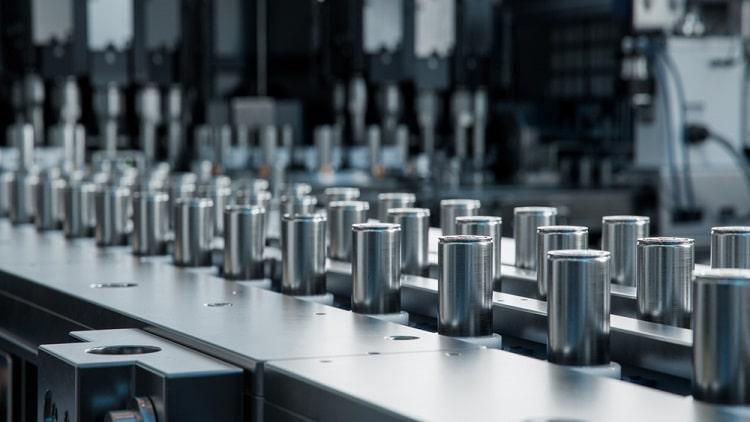
International Battery Metals (IBAT) has introduced a new lithium filtration technology aimed atelectric vehicle(EV) batteries.
This new tech could potentially make direct lithium extraction (DLE)faster and cheaper, benefitting EV manufacturers and addressing some concerning issues in the industry such as high water consumption.
IBAT’s DLE technology
IBAT, based in Houston, TX, is an American company specializing in advanced, portable, and scalable lithium extraction technology for use in EV batteries. IBAT’s new method recycles over 98% of the water used, solving the problem of high water consumption typically associated with lithium extraction.
Traditional lithium extraction methods, like evaporation ponds and open-pit mines, use a lot of water and generally take a long time. IBAT’s DLE technology is more efficient, extracting about 90% or more of the lithium from brines compared to about 50% with traditional methods.
IBAT’s Plants
As an extra perk, IBAT’s smaller, portable plants can be quickly built and moved to new locations, reducing construction costs. Each plant costs $50–60 million and takes about 18 months to build and reach production.
IBAT started working on this technology in rural Utah with the aim of increasing lithium production to 5,000 metric tons per year within four weeks.
Lithium and DLE Industries
Lithium prices have dropped over 80% in the past year, leading to layoffs in the industry. Despite this, IBAT has confidence in its technology and business model, and plans to expand its plants globally.
The DLE industry is expected to grow significantly in the near future, potentially reaching $10 billion in annual revenue in the next decade, presenting a large opportunity for IBAT to scale and commercialize its plants.
IBAT’s New Lithium Extraction Technology—Conclusion
IBAT’s new lithium extraction technology could drastically change the lithium industry by making the process faster, cheaper, and more environmentally friendly.
The president of US Magnesium, Ron Thayer, has already chosen to go with IBAT’s technology, saying that he already views the company as “a commercial lithium producer,” and Exxon Mobil is also reportedly considering doing the same.
Image Credit: Shutterstock/IM Imagery