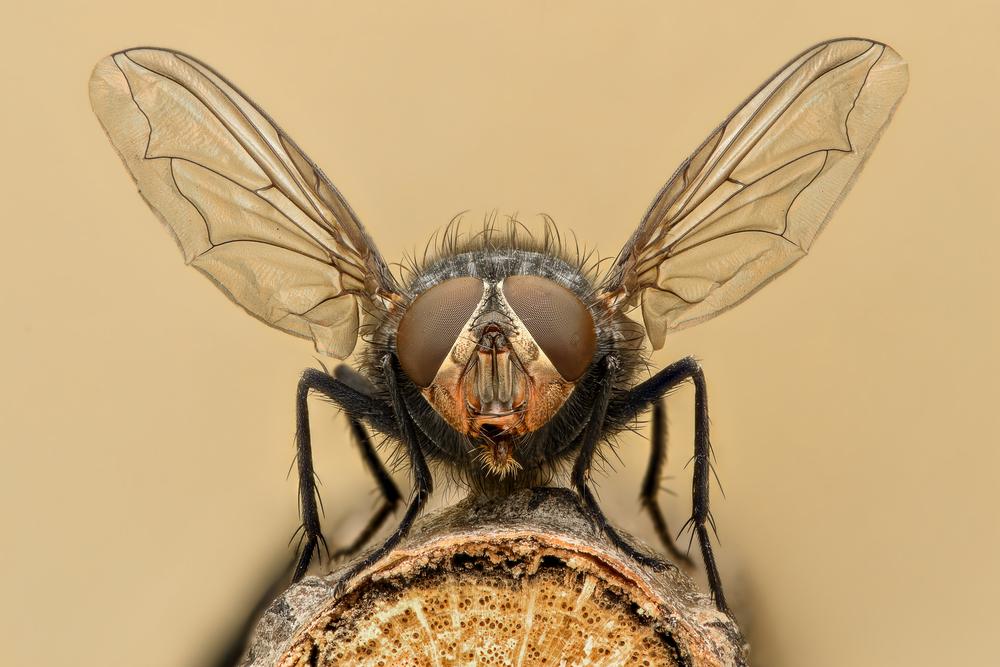
Scientists from Texas A&M University announced research that explores turning flies into degradable plastics.
According to the project’s principal investigator, Karen Wooley, the team has worked on ways to convert natural products into digestible, degradable polymers for 20 years. The idea for incorporating flies in the process came from a colleague who suggested using waste materials generated by farming black soldier flies.
Upon examining the deceased flies, the researchers identified a significant presence of chitin. Traditionally, manufacturers extract chitin from crab shells and shrimp because of the biodegradable, sugar-based, and non-toxic polymer’s ability to strengthen shells and exoskeletons.
Following this discovery, the scientists transformed the purified fly chitin into a similar polymer called chitosan. Their efforts reportedly resulted in a hydrogel capable of absorbing 47 times its weight in water in one minute. Possible applications include capturing floodwater in cropland soil and releasing moisture during droughts.
Wooley also said the researchers began breaking down chitin into small sugar molecules that could be used to make degradable and digestible bioplastics. The ultimate aim is for the flies to consume waste plastic as their primary food source. Subsequently, the team would harvest them again and extract their components to produce new plastics.
Image Credit: Cornel Constantin / Shutterstock.com