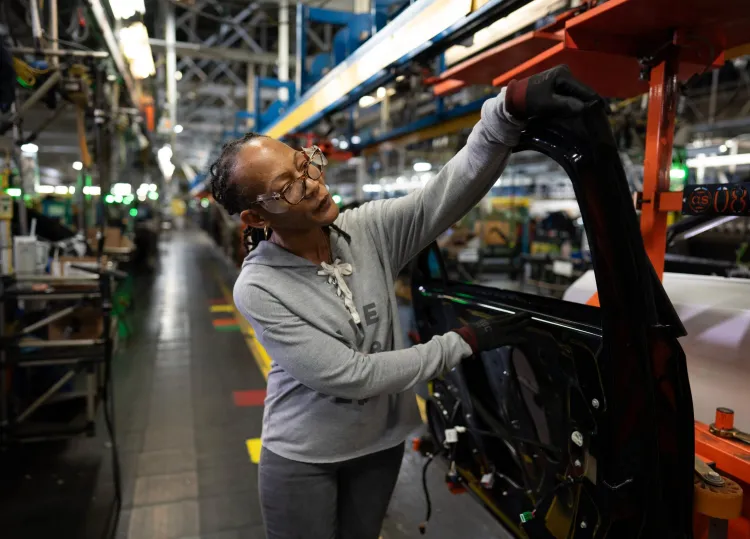

In the dynamic landscape of modern manufacturing, the infusion of artificial intelligence (AI) has revolutionized traditional processes, and at the forefront is manufacturing chatbots. These intelligent conversational agents play a pivotal role in reshaping the production landscape by seamlessly integrating AI into the manufacturing industry.
Below, we explore the transformative benefits of AI integration in production, delving into the many applications that these digital assistants bring to manufacturing companies. From enhancing efficiency to streamlining communication, here’s how smart chatbots are becoming indispensable assets in industry.
What Is a Manufacturing Chatbot?
Manufacturing chatbots are intelligent assistants specifically designed to operate within the intricate landscape of industrial production. These digital entities leverage artificial intelligence to engage in natural language conversations, facilitating seamless communication between machines, systems, and human operators in the manufacturing industry.
Unlike conventional chatbots, those tailored for manufacturing are finely tuned to comprehend complex technical language and industry-specific terminology. Their applications within the industrial setting are multifaceted, ranging from streamlining communication workflows and troubleshooting issues to providing real-time data analytics and guiding users through intricate processes, such as quality control documents.
As a key manifestation of AI in manufacturing, these chatbots play an instrumental role in enhancing operational efficiency, reducing downtime, and fostering innovation in the ever-evolving realm of industrial production.
Chatbots come in various forms, each tailored to specific functionalities and user interactions. The four main types of chatbots include:
1. Rule-Based Chatbots
Rule-based chatbots operate on predefined sets of rules and decision trees. They follow a script or a set of if-then conditions to respond to user inputs. These chatbots are effective for handling routine queries and providing scripted responses within a well-defined scope. However, they may lack the flexibility and adaptability seen in more advanced models.
2. AI-Powered Chatbots
AI chatbots, also known as machine learning or natural language processing (NLP) chatbots, utilize artificial intelligence algorithms to understand and respond to user inputs. Unlike rule-based chatbots, they learn and improve over time through data analysis.
AI chatbots are capable of handling more complex conversations, understanding context, and adapting to user behavior, making them suitable for a wider range of applications, such as customer care representatives.
3. Scripted Chatbots
Scripted chatbots follow a predetermined script or dialogue flow to interact with users. While they may incorporate elements of both rule-based and AI-driven approaches, their responses are primarily based on predefined scenarios.
Scripted chatbots are often employed when a controlled and specific conversation path is desired. They can be used to direct someone to the correct person on the customer support team.
4. Application-Specific Chatbots
Application-specific chatbots are designed for a particular purpose or industry. These specialized chatbots cater to the unique needs and requirements of a specific domain, such as customer support, e-commerce, healthcare, or finance. By focusing on a narrow set of tasks, application-specific chatbots can deliver engaging interactive conversation and efficient solutions within their designated context.
Understanding the distinctions among these types of chatbots is crucial for businesses and developers when choosing the most suitable model for their specific use case, taking into account factors like complexity, user expectations, and the desired level of automation.
3 Benefits of Using Chatbots in the Manufacturing Industry
In the manufacturing sector, the integration of chatbots has various benefits pivotal in reshaping operational dynamics.
1. Efficiency Improvement
Chatbots play a crucial role in enhancing operational efficiency by streamlining communication and automating routine tasks. Through swift and accurate responses to queries, these digital assistants reduce downtime and facilitate seamless collaboration between machines and human operators, ultimately optimizing overall workflow efficiency for the manufacturing company.
2. Cost Reduction
The implementation of chatbots in manufacturing companies contributes significantly to cost reduction. By automating standard and redundant tasks, troubleshooting common issues, and providing instant support, these intelligent systems minimize the need for manual intervention, leading to decreased labor costs and increased cost-effectiveness in day-to-day operations.
3. Real-Time Insights
Chatbots in a manufacturing business act as real-time data processors, offering insights into various metrics, equipment status, and workflow analytics. By continuously monitoring and analyzing data, these digital assistants enable proactive decision-making, helping manufacturers to identify bottlenecks, optimize processes with existing inventory, and respond promptly to changing conditions in the production environment.
Chatbots are widely adopted across diverse industries, with manufacturing emerging as a prominent sector leveraging their capabilities.
In manufacturing, chatbots play a pivotal role by facilitating communication between machines and operators, guiding personnel through complex processes, and providing real-time updates on production status, ultimately optimizing operational efficiency in smart factories.
The automotive industry utilizes chatbots for customer support, order processing, and supply chain management, contributing to efficient production processes.
In the electronics and technology sectors, chatbots aid in customer service, troubleshooting, and inventory management, enhancing operational agility.
Finally, the pharmaceutical, healthcare, and retail industries leverage chatbots for tasks ranging from managing production workflows and ensuring regulatory compliance to streamlining communication across the supply chain.
These examples underscore the versatility of chatbots across manufacturing and various sectors, where they prove indispensable in improving communication, reducing downtime, and enhancing overall operational efficiency.
Applications of Chatbots on the Shop Floor
On the manufacturing shop floor, chatbots contribute to enhanced efficiency, streamlined processes, and proactive maintenance.
1. Shop Floor Automation
Chatbots play a pivotal role in shop floor automation by facilitating seamless communication between machines and human operators. They can be programmed to automate routine tasks, monitor production metrics in real-time, and provide instant updates on the status of manufacturing processes.
This automation not only reduces the manual workload on operators but also ensures a smooth flow of information across different stages of production, optimizing overall shop floor efficiency.
2. Production Support
Chatbots offer comprehensive production support by acting as digital assistants to guide operators through complex processes. They can provide step-by-step instructions, answer queries related to production workflows, and assist in troubleshooting common issues.
This real-time support ensures that operators have the information they need at their fingertips, minimizing downtime and fostering a more agile and responsive manufacturing environment.
3. Maintenance Assistance
In the realm of maintenance, chatbots prove to be invaluable aids. They can assist maintenance personnel by providing instant access to equipment manuals, troubleshooting guides, and maintenance schedules. Chatbots can also generate predictive maintenance alerts based on real-time data, enabling proactive maintenance interventions. This not only extends the lifespan of machinery but also reduces the likelihood of unexpected breakdowns, contributing to overall equipment reliability on the shop floor.
Chatbots on the manufacturing shop floor serve as catalysts for automation, offering production support, and providing crucial assistance in maintenance tasks. By seamlessly integrating into daily operations, these digital assistants contribute to a more efficient, responsive, and well-maintained shop floor environment.
Integration with Supply Chain Management
The integration of chatbots has become instrumental in revolutionizing the efficiency and transparency of manufacturing processes to provide better supply chain management. Chatbots play a pivotal role in providing logistics support, streamlining communication, and enhancing overall coordination throughout the supply chain.
1. Logistics Support
Chatbots contribute significantly to logistics by providing real-time updates on shipment status, tracking deliveries, and offering instant responses to queries related to transportation and distribution. They facilitate seamless communication between suppliers, manufacturers, and distributors, optimizing the logistics process. By automating routine inquiries and providing quick access to shipping information, chatbots ensure a more agile and responsive supply chain, reducing delays and enhancing the overall efficiency of goods movement.
2. Inventory Management
Chatbots assist in efficient inventory management by providing instant insights into stock levels, order statuses, and warehouse conditions. Through automated alerts and notifications, chatbots help in maintaining optimal inventory levels, preventing stockouts or overstock situations. They can also streamline order processing by automating routine tasks, such as order tracking and replenishment requests. This proactive approach to inventory management minimizes disruptions and ensures a smoother flow of materials through the manufacturing process.
The integration of chatbots in supply chain management not only improves the speed and accuracy of information flow but also enhances decision-making processes. By being able to automate key business processes and provide quick responses to inquiries, chatbots contribute to creating a more responsive and agile supply chain within the manufacturing sector.
Overall, the use of chatbots in logistics and inventory management represents a significant step toward achieving greater operational efficiency and transparency in the modern manufacturing landscape.
Challenges in Implementing Chatbots
Implementing chatbots in manufacturing, despite their numerous benefits, presents challenges that need careful consideration to ensure successful integration. Common challenges include:
1. Integration Complexity
Implementing chatbots in manufacturing may involve integrating them into existing systems and workflows, which can be complex. Compatibility issues with legacy systems and diverse manufacturing software platforms may arise, requiring thorough planning and collaboration with IT teams for seamless integration.
2. Data Security Concerns
The manufacturing sector often handles sensitive data related to production processes, intellectual property, and customer information. Ensuring robust cybersecurity measures to protect against data breaches and unauthorized access is paramount. Addressing security concerns is crucial for gaining trust in deploying chatbots within manufacturing environments.
3. AI Training and Adaptation
The success of chatbots in manufacturing relies heavily on their ability to understand industry-specific language and adapt to changing contexts. Training chatbots with relevant manufacturing terminology and keeping them updated with the latest industry practices can be a challenge. Continuous monitoring and adjustment are essential to ensure accurate and contextually relevant responses.
4. User Acceptance and Training
Introducing chatbots may face resistance from workers accustomed to traditional methods. Adequate training programs are necessary to familiarize employees with the use and benefits of chatbots, ensuring smooth integration into daily workflows. Gaining user acceptance and addressing concerns about job displacement due to automation is crucial for successful implementation.
The Future of Chatbots in Manufacturing
The integration of chatbots into the manufacturing industry holds immense potential for reshaping operational dynamics, enhancing efficiency, and fostering innovation. While the implementation of these intelligent digital assistants brings about numerous benefits, it is essential to acknowledge and address the associated challenges.
From complexities in system integration and data security concerns to the need for continuous AI training and user acceptance, the successful deployment of chatbots demands a strategic and collaborative approach. As manufacturing evolves toward greater automation and connectivity, overcoming these obstacles becomes imperative to unlock the full spectrum of advantages that chatbots offer.
With careful planning, transparent communication, and ongoing adaptation, the manufacturing sector can harness the transformative power of chatbots, paving the way for a more streamlined, efficient, and resilient future in industrial production.