An apple grower is having breakfast before the day’s work begins. She swipes through a dashboard on her iPad to review real-time data received directly from remote sensors in the orchard. Armed with information on moisture, tree growth stage, flowering, pest attacks, and much more, she makes a series of data-backed decisions that will increase the chances of a record crop.
At a glance, orchards across the United States may seem similar to the way they looked a century ago. But a closer look at some orchards reveals the presence of several fascinating technologies that enable the capture of rich data and enormous boosts in efficiency.
Let’s look at three technologies currently in use in American orchards.
1. Remote Sensors
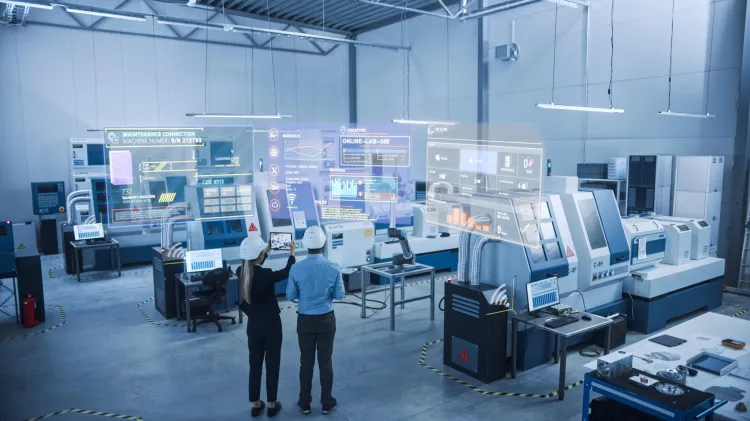
AgTech sensors can provide real-time data that supports growers so they can maximize their crop, save time and money, and make better decisions surrounding questions they’ve faced for generations.
For hundreds of years, growers have manually collected data such as how much rain they’ve had, the average fruit size, and how many bins they’ve picked. Today, there’s an opportunity to access richer and more accurate data using the latest sensor technology. Some examples include:
- Robot tree mappers: While farmers growing crops can make use of ag-tech drones to great effect, orchard owners need a different solution due to tree foliage blocking drones’ visibility. Robots tend to take the form of ground-based sensor systems that drive autonomously around orchards and record the trees’ flowers, fruit, condition, and growth stage before sending this information in digital format to the grower. This data can then be used to plan for optimizing the crop load, spray thinning, flower pruning, and getting a uniform distribution. Sensors such as Green Atlas’s Cartographer can count fruit on 6,000 trees in the time it takes a human to count the fruit on one tree manually.
- Remote sensors to warn against damage: Growers face a host of potential events that can ruin the crop, including hail, sunburn, pest damage, low sugar, and more. Technologies such as moisture sensors are therefore crucial to provide climatic-based insights so growers can take action when needed.
Putting Sensory Data to Work
Sensory data can be used not only to optimize the crop but to help deliver the best-possible product to the end consumer by anticipating bottlenecks in the supply chain.
Growers can assist other parties in the supply chain to maintain fruit quality by feeding data to labor-for-hire companies to help coordinate temporary staff scheduling, packaging companies to get the right number of boxes, packhouses and fruit processing plants to help schedule staff, and retailers such as supermarkets to help them plan for supply.
2. Connectivity
Digital enablement through remote sensors is impossible without connectivity, which can be a major challenge on remote orchards. When considering connection protocol options, growers need to consider coverage, battery life, latency, maintainability, and scalability. Options include:
- Low power wide area networks (LPWAN): Technology that connects IoT devices in a network beyond the reach of Bluetooth and WiFi.
- Satellite connectivity: Low-earth-orbit nanosatellites provide IoT connectivity with no need for ground-based infrastructure.
- Emerging connectivity tech: Innovative solutions for connectivity in remote areas include stratospheric balloons and high-altitude pseudo-satellites.
Technology for Enhancing Pickers’ Skills
One of the issues with low-skilled, short-term contract labor for orchards is they often pick unripe fruit, leading to wastage. Tech options to address this include:
- Providing pickers with app-based onboarding before they start work.
- Clipping an infrared spectrometer to the backs of pickers’ smartphones that takes photos of the fruit they’re picking so the grower can give real-time feedback.
- Google Glass-type headsets that show a green or red virtual box around the fruit they’re looking at to let the picker know if they should pick it or leave it.
3. Robot Pickers
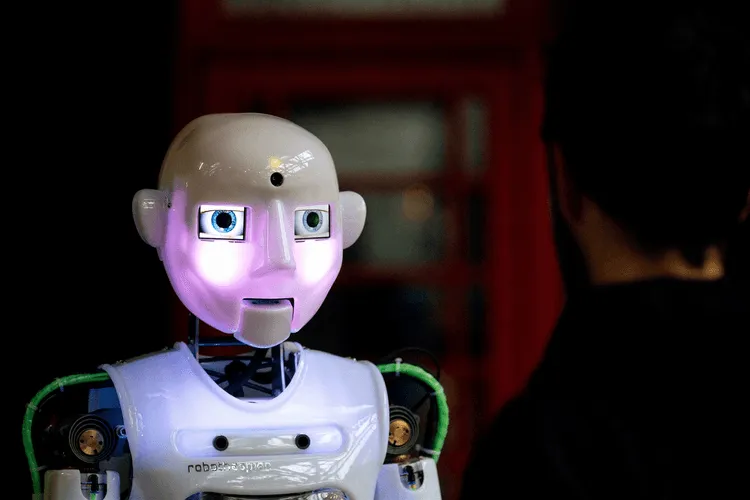
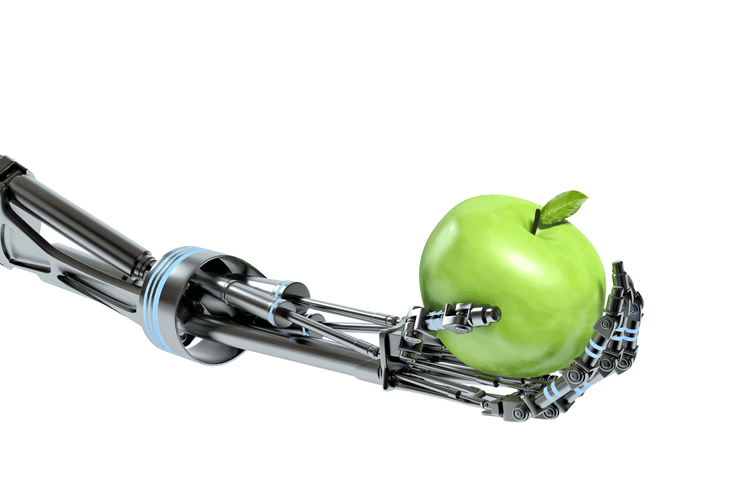
One day, human pickers will no longer be needed in orchards. Robotic pickers may come equipped with machine learning and claw-like appendages that identify and pick apples, or vacuum-like machines that suck apples off the tree. Robo-pickers can potentially pick 10,000 apples in an hour.
It may be several more years before robotic pickers can fully automate harvest, but until then, robotics have the potential to augment rather than replace a human workforce of pickers. For example, humans could work their way along the lower parts of a tree while a crane-like robotic picker concentrates on the harder-to-reach higher branches.
Advice before Investing in AgTech
Connectivity must come first, as it is the key to digital enablement. Explore the best option for connectivity on your property before considering investing in IoT and robotics.
Second, it’s important for growers to make sure that any investment in AgTech will solve real business challenges. Ensure data is actionable, rather than just gathering data for data’s sake. AgTech developers are keen to find orchards to trial their solutions for free, but ensure these trials do not disrupt production.
Finally, digital literacy is also vital. Agriculture is one of the last industries to go digital, which means digital literacy and a knowledge of data science will need to be developed to get the most out of sensory systems.