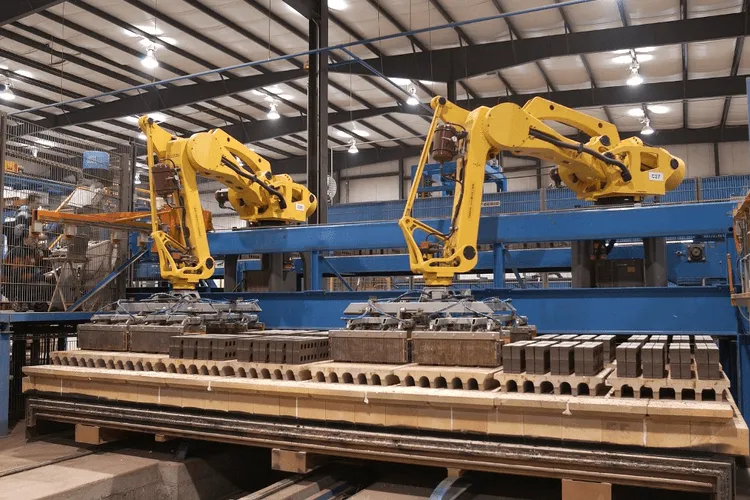
The fourth industrial revolution, often referred to as Industry 4.0, introduced the manufacturing world to a host of innovative technologies like the IoT, robotics, and AI. Although Industry 4.0 has been the most technologically advanced of all the industrial revolutions thus far, it is in no way the final frontier — if you look into the distant horizon, Industry 5.0 is rising.
Industry revolutions are spurred by both an increased level of technological sophistication as well as sociological trends. While Industry 4.0 has been largely defined by the emergence of state-of-the-art digitalization, Industry 5.0 will be more about a shift in how humans interact with these new technologies.
Is Industry 5.0 Really a Revolution?
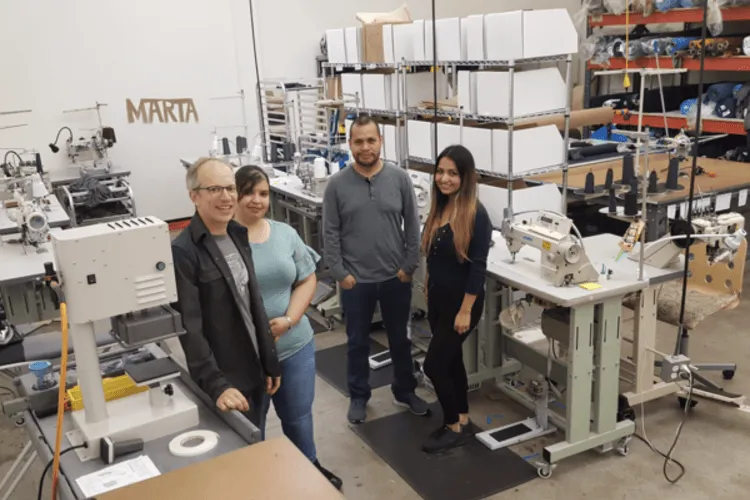
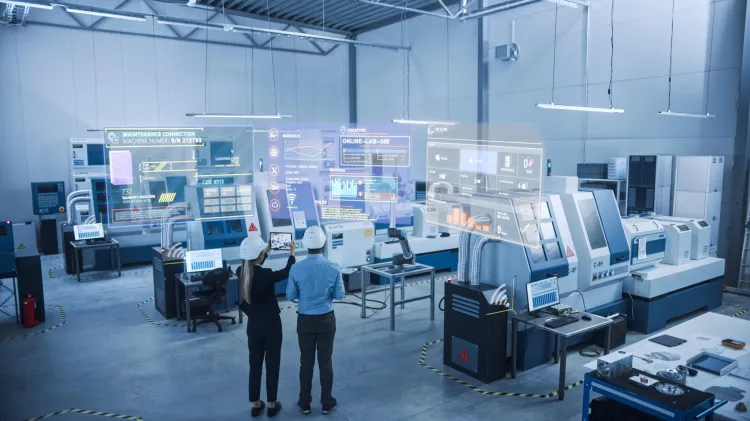
Specifically, Industry 5.0 will be more focused on the collaboration between human and machine, which will create a more humanistic context for high-tech smart systems. By cultivating the union between man and machine, industry will reap the benefits of fusing the high-speed precision of automated technology with critical thinking skills, cognitive agility, and human creativity.
But can Industry 5.0 be considered a true industrial revolution? Yes and no.
While Industry 5.0 is more about a collective frame of mind and contextualization of industrial technology, it will likely be a catalyst for the development of future machines and devices.
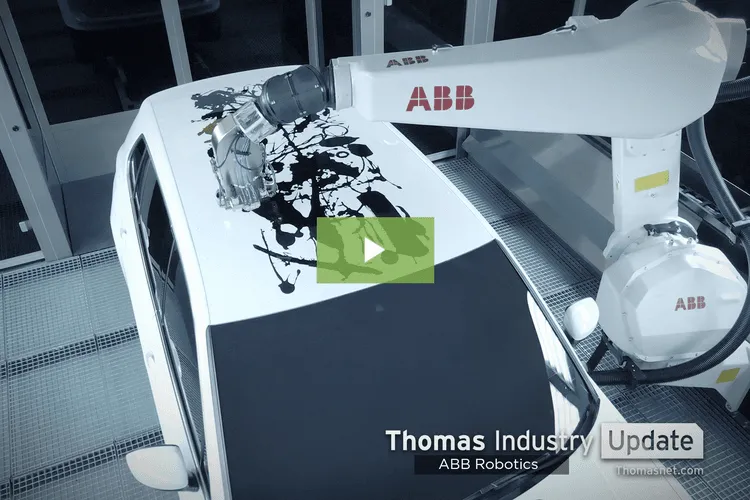
Moreover, Industry 5.0 will represent a natural evolution of trends that are already in motion. Collaborative robots, or cobots, have already made their debut in several manufacturing plants and warehouses across the country.
A research report compiled by consulting firm Accenture in 2015 revealed that 22% of the surveyed manufacturing executives had already started to curate a collaborative workplace between humans and machines and that 85% of these respondents expected for “human-machine-centric environments to be commonplace in their plants by 2020.”
Industry 5.0 and Mass Personalization
In an article published by the International Society of Automation (ISA), a technical society dedicated to setting automation standards in the industry, cobot pioneer and founder of Universal Robots Esben H. Østergaard reviewed the main factors that would drive Industry 5.0 forward in the future. His review included the concept of transitioning from mass production to mass personalization.
“This desire for mass personalization forms the psychological and cultural driver behind Industry 5.0 — which involves using technology to return value added by humans to manufacturing,” he explained. “Industry 5.0 products… empower people to realize the basic human urge to express themselves — even if they have to pay a premium price. Making these products requires what we call the human touch.”
The Future of Industry
As innovative technologies continue to gain momentum in the industrial space, it’s natural that the relationship between man and machine will become increasingly interconnected. By taking a collaborative approach, Industry 5.0 promises to usher in an era where automated technology and humans ultimately can work side-by-side to increase efficiency and precision.