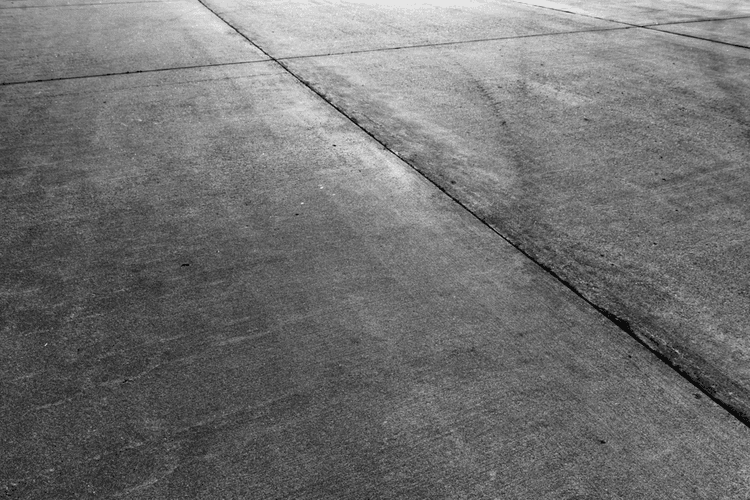
Concrete floors offer superior strength and durability in a range of industrial environments. Versatile and reliable, these floors are often found in warehouses, workshops, plants, and other manufacturing and industrial facilities.
Properly maintaining a concrete floor is crucial for ensuring its longevity. Luckily, maintenance and repairs are simple to perform.
Common Issues With Concrete Flooring
Over time, concrete flooring can experience several issues. These include:
-
Blisters — Blisters are air bubbles that are stuck beneath the sealed surface of a concrete floor, leaving bumps along the surface.
-
Cracking — Cracking can occur due to inadequate concrete strength, subgrade settlement, thermal contraction, drying shrinkage, applied loads, and internal or external restraint to shortening. Cracks formed due to shrinking concrete rarely point to structural defects but can allow water to seep into the structure. Settlement cracks are caused by inadequate site preparation prior to floor pouring.
-
Curling — Curling causes a slab’s corners and edges to become distorted. This is often caused by moisture content or temperature differences between the slab’s surface and bottom.
-
Surface scaling/spalling — Surface scaling or spalling occurs when the concrete degrades over its first year of installation, to depths between 1.5 and 5 mm. This may occur if bleed water is left on the surface of the slab during finishing or if the surface is overworked, reducing air content.
In industrial environments, concrete floors are often exposed to a range of elements and materials that can cause degradation, especially if the concrete is untreated. Liquids, chemicals, varying temperatures, heavy impacts, traffic, and deicing materials can all lead to contamination, chips, cracks, and scaling.
What to Use to Fix Cracks and Fill Joints in Concrete Floors
Regular maintenance for industrial concrete floors will improve longevity and reduce overall wear. Cracks and joints should be repaired immediately to prevent further damage to the flooring while reducing the risk of bigger problems, such as moisture seepage.
When performing maintenance or repairs on concrete flooring, it’s important to ensure that the floor is clean before applying finishing or repair products. Use a dry dust mop or a damp mop to rid the floor of dirt and grime. Clean stained or polished concrete floors using a pH-neutral cleaner and water; remove stains from plain concrete flooring using mild-to-strong soaps, ammonia, chemicals, or degreasers.
Depending on the specific task at hand, the following products can be used to protect and repair concrete floors:
Epoxy Coatings and Sealings
Epoxy coatings and sealings smooth the surface of a concrete floor while also protecting it. Sealing a floor with epoxy helps the concrete resist water, stains, dirt, and abrasion. Epoxy coatings add longevity, and can be used to enhance the floor’s coloring or sheen.
Joint Fillers
Joint fillers offer support for joints’ edges, preventing deterioration, moisture seepage, and spalling. Epoxy and polyurea are commonly used to fill concrete joints. Before filling joints, remove all old sealant from the joints using an angle grinder, and vacuum debris from the joints. Place backer rods into the joints before finishing with joint filler for a watertight seal.
Epoxy Mortar Systems
Also referred to as patching, epoxy mortar systems are used for filling cracks or chips in a concrete floor. Filling cracks and chips prevents moisture, dirt, and other contaminants from infiltrating the concrete, which can cause further damage. First clean the crack to rid it of loose debris, and vacuum it away. Then apply the epoxy mortar system into the crack, forming a seal.
The Importance of Maintaining Concrete Floors
Concrete floors offer unmatched durability and longevity in a wide range of industrial applications. Proper repair and maintenance are necessary to keep these floors in good shape while reducing the potential for elemental damage and mitigating the effects of general wear and tear. Maintenance and repairs for concrete floors are quick and easy to perform, and should be a key aspect of regular facility maintenance routines.
Resources:
- Wear Resistant & Maintenance Products
- Epoxy Floor Coating Systems – The Concrete Network
- Fixing Cracks in Concrete | This Old House
- How to Paint an Epoxy Concrete Floor Coating – One Project Closer
Image Credit:Cyrustr/Shutterstock.com