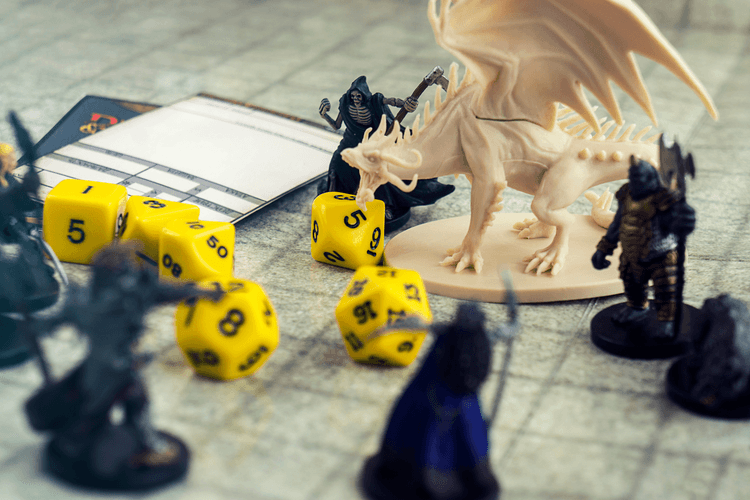
Tabletop gaming miniatures is a booming industry with one of the largest companies, Games Workshop, expecting a profit of close to $190 million in 2022. Gaming miniatures are not just used for Warhammer and other similar games, but also for board games, card games, and even video game characters. The market is expected to grow even more in the next few years with the release of several new movies based on popular culture franchises such as Star Wars, Harry Potter, and Game of Thrones.
Many factors have contributed to this growth, including the rise of crowdfunding platforms like Kickstarter, and the increasing accessibility of 3D printing technology. 3D printing has come to the forefront and is a disruptive technology that is changing how miniatures are made. It’s clear that 3D printing is here to stay and will only become more prevalent in the coming years.
The Conventional, Time-consuming Process of Making Miniatures
Conventional methods to produce miniatures involved a lot of labor-intensive processes, such as carving, molding, and casting. This has changed with 3D printing, which offers a much more efficient and cost-effective way to produce miniatures. To better understand the impact of 3D printed technology, below is a brief overview of the traditional concept-to-product pipeline in the miniature gaming industry.
The first step in conventional scale miniature production is the concept stage, in which an artist creates a design of the model. This could be a hand-drawn illustration, a digital render using 3D modeling software, or a physical sculpture. Once the concept is approved, it moves on to the next phase. Here, the concept is refined and translated into a 3D model that can be used to create the mold for casting.
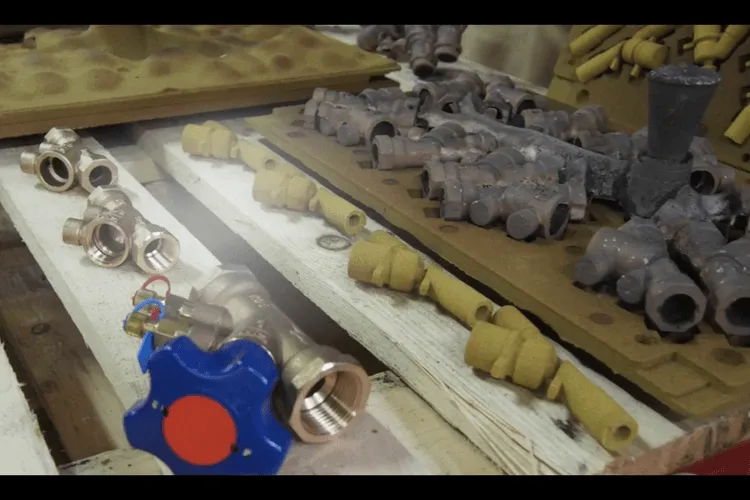
Traditionally, the 3D model or master is sculpted using clay, organic or synthetic epoxy, or other malleable materials. This master is then used to create a mold (or negative sculpture), which is generally made of silicone rubber or vulcanized rubber. Molten material, usually resin or pewter, is poured into the mold to cast the final miniature product. Of course, there are many conventional ways to produce a miniature, but this is the most common path for manufacturing scale miniatures.
The process is extremely labor intensive, and often requires the use of toxic chemicals. It also results in a lot of waste material, as there are often several failed attempts or miscasts along the way.
3D Printing Technology Transforms Miniature Production
This is where 3D printing comes in. 3D printing offers a more efficient and accurate way to create miniatures. It’s also less labor-intensive, which means that the overall cost of production is lower. Notably, this also grants accessibility to hobbyists and independent makers, who might not have the skills or resources to create miniatures using traditional methods, to the miniature-making process.
With 3D printing, the miniature concept-to-product pipeline is streamlined. Instead of a clay sculptor manually creating the "master” for making a mold, a digitally rendered model can be sent almost immediately to a 3D printer. The 3D printed model can either be the master for creating molds for mass production, or the final product and sold directly to consumers.
The Future of Miniatures Is 3D Printing
The benefits of 3D printing don’t stop with boosting miniature production. Because 3D printing is an additive process — it builds up materials rather than carving them away — it’s possible to create much more complex designs that wouldn’t be possible with traditional methods. Additionally, 3D printing offers a level of customization that is difficult to achieve with other methods. For example, a customer could order a specific model that has their own face sculpted onto it.
Finally, 3D printing also offers the potential for "on-demand” manufacturing. Xometry, for example, has an Instant Quoting Engine that allows users to quickly upload a model before getting a quote and pushing it to production.This means that miniatures can be produced only when they’re ordered, which reduces waste and inventory costs.
Creating Miniatures Is No Longer Labor Intensive
It’s evident that 3D printing is revolutionizing the miniature gaming industry. What was once a labor-intensive and expensive process is now more efficient and cost-effective. This technology also offers new possibilities for design and customization. As 3D printing technology continues to develop, we can only imagine the new possibilities that will be made available for miniature production.