When someone loses a loved one, they often keep their memory alive by reading old text messages, watching home movies, or listening to voicemails. As interest in genealogy grows and technology continues to advance, artificial intelligence (AI) tools let families preserve memories and give children that didn’t get to meet a deceased family member a sense of their physical presence.
Below are five innovations in AI that help people connect with previous generations.
5 AI Tools That Let You Connect with Deceased Loved Ones
1. Amazon’s Alexa
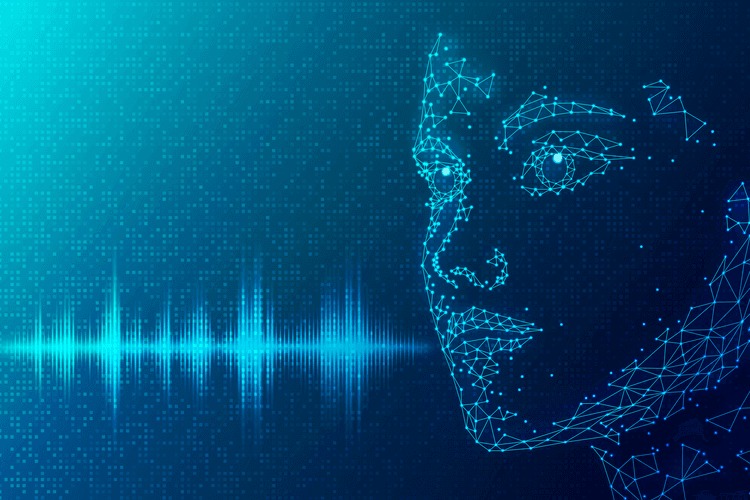
Earlier this year, Amazon announced a new Alexa feature that can read aloud in a departed relative or friend’s voice. It works by taking short recordings of the person and then recreating their voice using AI.
The feature is still in the works, but eventually, users may be able to program their Alexa to ask them to read a book or text message in the voice of a loved one they miss.
2. Deep Nostalgia
The ancestry-tracing site, MyHeritage, released a new feature coined Deep Nostalgia in 2021. The tool uses AI to bring pictures of loved ones to life. Deep Nostolagia takes a photo and animates it, moving the eyes, mouth, and head.
Losing a loved one is hard, but being able to look at a moving photo of a deceased relative or friend — especially if there aren’t any videos of that person — helps bring their memory to life.
3. Microsoft Chatbot
Last year, Microsoft received a patent to use social media posts to "reincarnate” people as chatbots. The Netflix seriesBlack Mirrorhas an episode based on a similar premise, where the main character is grieving the loss of her partner.
Microsoft patented "conversational chatbots,” which can be based on a person that’s alive or dead. The software pulls data from a person’s social media feed — like videos, images, and voice data — to create a digital avatar of them. Using machine learning to study the data, AI allows the software to "think” like the person and respond in a chatbot format.
4. DeepBrain AI
DeepBrain AI, a company specializing in AI technology, has a very unique product called re;memory. It’s a virtual human service that uses AI technology to recreate the persona of deceased loved ones. The company makes a virtual avatar that mimics the physique and voice using natural language processing, speech recognition, and video synthesis.
In order to create a digital twin avatar, however, users must travel to South Korea.
5. HereAfter AI
HereAfter AI allows individuals to record stories about themselves and link them to pictures so that family members and loved ones can learn about their experiences from first-hand accounts, even after passing away. The interactive memory app’s moto is "Your stories and voice. Forever.”