Doctors in Austria successfully repaired a patient’s skull deformity with a 3D-printed cranial implant, the technology’s developers recently announced.
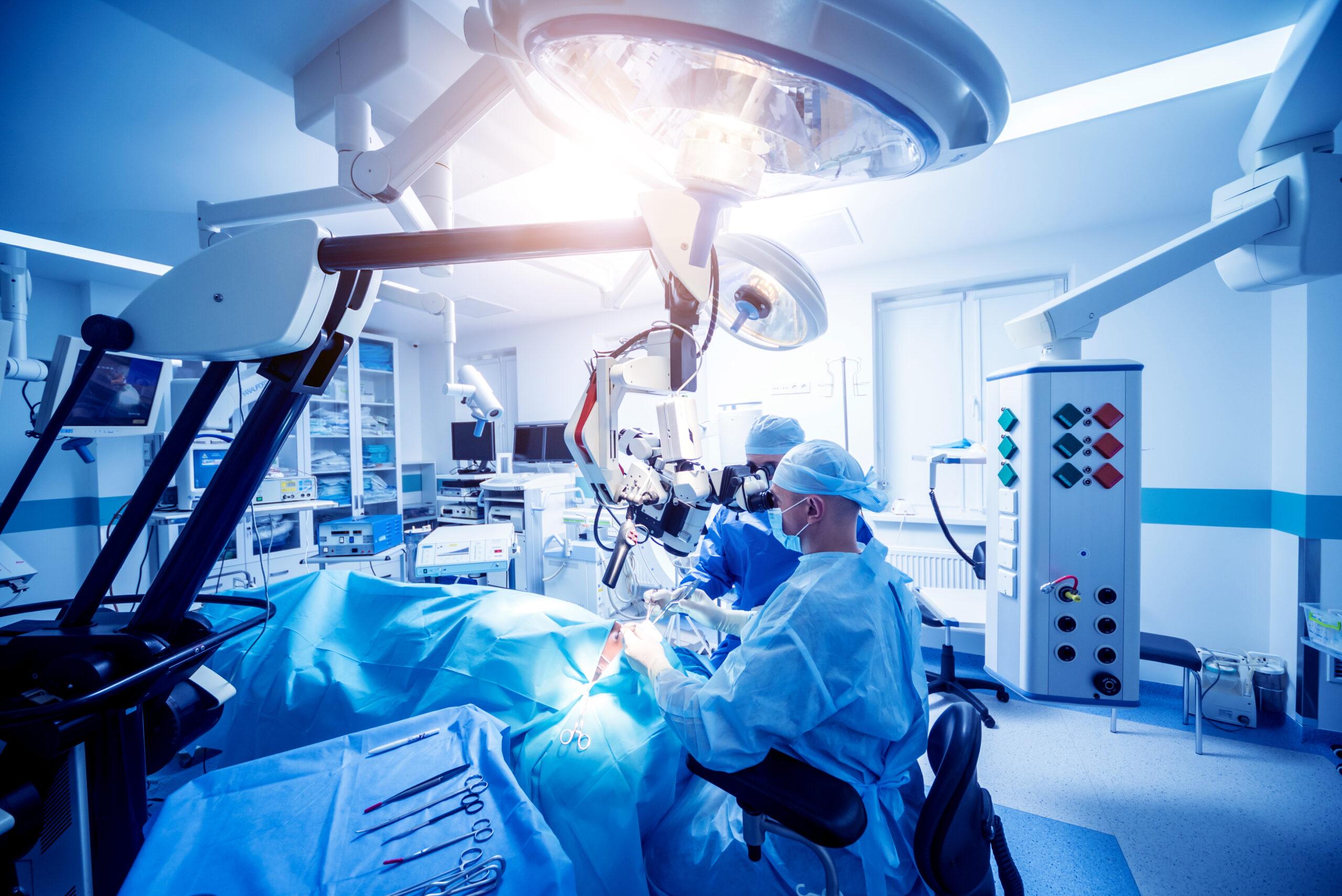
3D Systems detailed the treatment for Rainer Trummer, a 55-year-old computer scientist from Salzburg whose cranial bones ossified too early during childhood — resulting in a condition known as craniosynostosis. He became the first patent to receive an implant made by 3D printers installed at the University Hospital of Salzburg.
To prepare for the procedure, doctors first implanted a plastic balloon under Trummer’s scalp that over six months was slowly filled with saline in order to reach the size of the implant. The implant itself was composed of PEEK, a lightweight, heat- and radiation-resistant material with properties similar to those of human bone. It was developed using 3D modeling and design software.
Surgeons, during a six-hour procedure in mid-February, affixed the implant to the top of Trummer’s skull with four plates and eight screws.
3D Systems officials said the successful surgery provides a “real-life demonstration” of the potential of digital manufacturing in hospital settings. The company said that, to date, it has printed more than 2 million implants and instruments, and it worked with surgeons on more than 150,000 patient-specific cases.
Trummer, meanwhile, told hospital officials that the method successfully treated his condition and that he doesn’t feel as though he has an implant in his skull at all.
“It’s like a miracle for me,” Trummer said in a hospital press release.








![How the Brooklyn Navy Yard Evolved into a Hub for Manufacturers [A Byte Out of the Big Apple]](https://machinerys.net/upload/cache/202507/how-the-brooklyn-navy-yard-evolved-into-a-hub-for-manufacturers-a-byte-out-of-the-big-apple.webp)