In 2022, around 60% of electricity generation in the U.S. came from fossil fuels such as coal, natural gas, non-renewable wastes, crude oil, and petroleum products. For the most part, this is how the nation fuels its vehicles, heats its homes, and powers its factories.
While this method of energy generation is proven to be efficient, reliable, and cost-effective, it is having a damaging impact on the environment. In fact, the majority of human-caused greenhouse gases (GHG) come primarily from burning fossil fuels. In 2020, fossil fuel combustion (burning) for energy accounted for 73% of total U.S. GHG emissions and 92% of total anthropogenic carbon emissions.
The alternative? We stop burning millions of fires in millions of engines, furnaces, and boilers and, instead, we plug everything in: cars and trucks, commercial kitchens, home heating, buses and trains, and manufacturing facilities. This transition is described as “the electrification of everything” and, according to climate change experts, it cannot come soon enough.
Fortunately, renewable energies are increasingly affordable, and technological advancements are enabling their large-scale production. Indeed, the global electrification market size is expected to reach around $172.9 billion by 2032.
Nonetheless, the process of electrifying everything is a formidable task. We’ll need to consider processes, government legislation, and investment.

Koldunov / Shutterstock.com
Entities and Companies Involved in the Electrification of Everything
The entities and companies involved in the electrification of everything include:
1. Residential and Commercial Buildings
Buildings in the U.S. contain more than 70 million fossil-fueled furnaces, 60 million fossil-fueled water heaters; 50 million gas stoves, ovens, and cooktops; and 20 million gas dryers.
Replacing these items is no small task, but increasingly sophisticated electric versions are available. Air-source heat pumps, for example, often perform better than traditional furnaces, and modern induction cookers are considered far superior to their gas-powered counterparts.
2. Utilities
Utility companies facilitate the distribution and transmission of electricity from generators in power plants to businesses and residential properties. In addition, they are responsible for the maintenance and stability of any power lines they own and control.
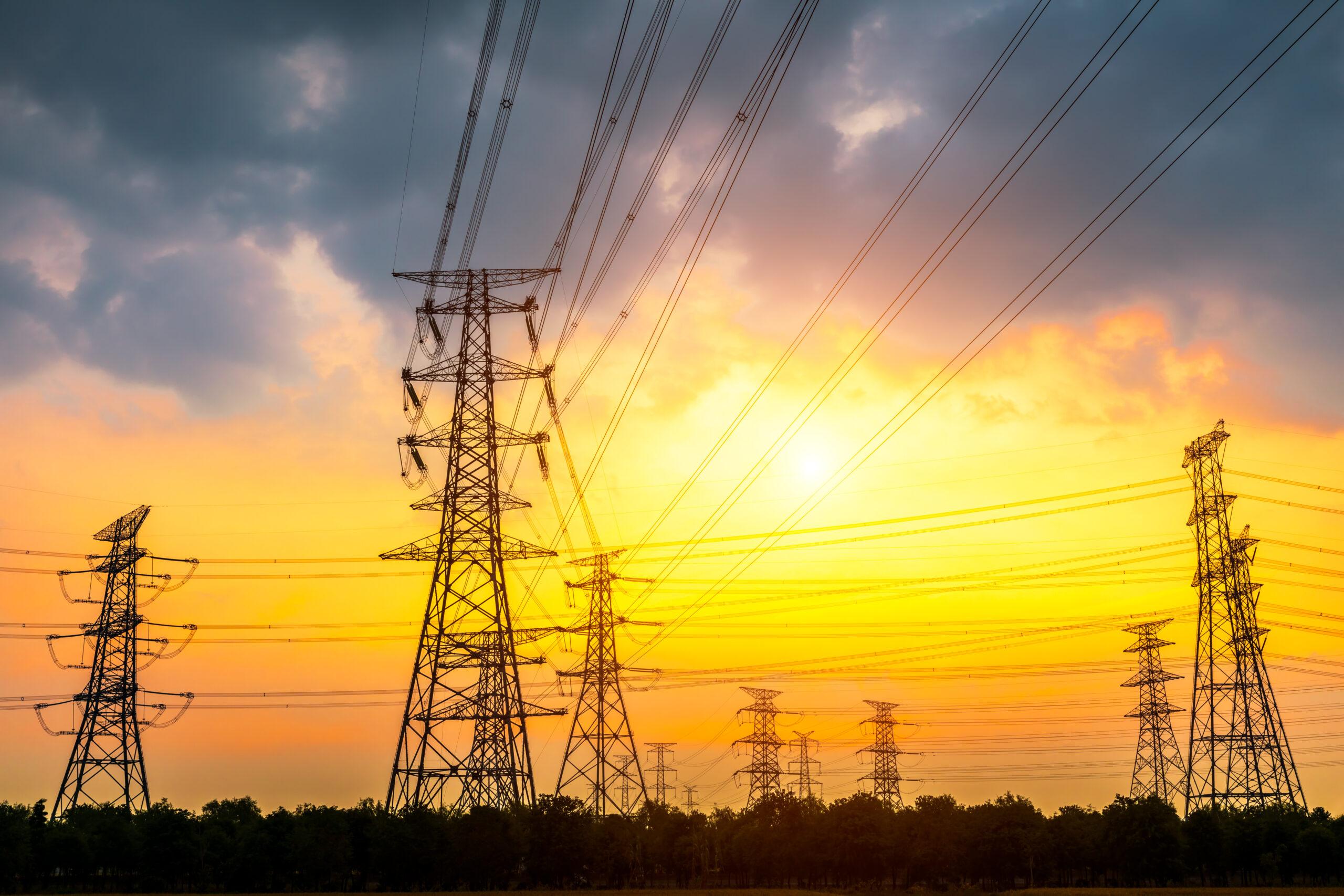
Utilities will play an essential role in the electrification of everything as demand for their services grows exponentially. Large investments will be required to modernize grids, and companies will face increased pressure to invest in renewables to produce energy more sustainably. Already, 81% of U.S. customers are served by an electric utility with a target to cut carbon emissions.
3. Energy Providers
Energy providers work with utilities to deliver power along the latter’s network of power lines. In regulated markets, only utility companies can own power plants.
Typically, energy providers buy electricity at wholesale rates from the market and then supply it to businesses and residential properties at competitive rates. This means customers often pay less to an energy provider than they would to a utility company.
To support electrification, these companies may collaborate with utilities to upgrade existing power plants and transmission lines. In addition, energy providers will play a pivotal role in promoting electrification to their customers.
4. Cities
Big cities are often at the forefront of innovation, and so should act as accelerators for electrification. The biggest barriers to urban electrification, which is driven by urban buildings and on-road transportation, are the existing and powerful high-carbon electricity systems.
To disrupt these, some regions are opting to introduce decentralized power systems including distributed energy generation, micro-grids, and smart grids.
Los Angeles and Seattle have signed the Fossil-Fuel-Free Streets Declaration, pledging to ensure a major area of each city is zero-emissions by 2030.
5. Transportation
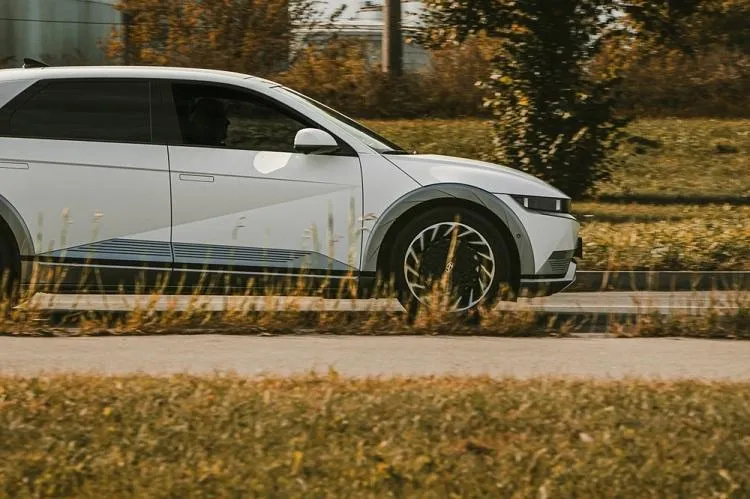
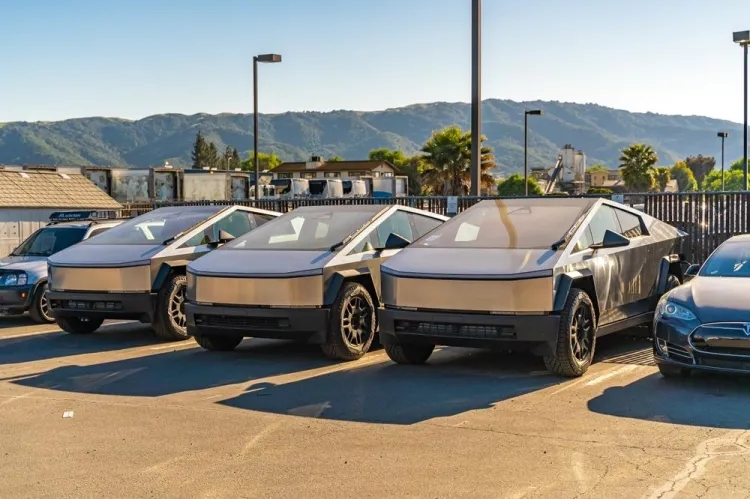
It’s predicted that there will be 74 various electric vehicle (EV) models in North America by 2025, and by 2029 EVs could account for as much as one-third of the North American market. The increased demand for EVs will certainly lower emissions and reduce fuel costs, but it will also apply pressure to an already overworked grid. Between 2021 and 2030, EVs are projected to boost U.S. electricity use between 8% and 13%.
Further, as more EVs take to the roads, there will be a need for additional and more sophisticated charging stations. President Biden’s Bipartisan Infrastructure Law plans to invest $7.5 billion in EV charging stations.
The fast development of battery technology is also critical to the coming energy transition, both to power EVs and provide sufficient energy storage. The global battery market is projected to reach $423.90 billion by 2030.
6. Renewable Energy Sources
The rise of renewable energy sources, such as wind and solar power, will serve to reduce the world’s dependence on fossil fuels and meet the growing demand for electricity. By 2023, for example, solar energy will account for more than half of new electricity-generating capacity in the United States.
According to the International Energy Agency (IEA), renewable capacity will meet 35% of global power generation by 2025.
7. Industrial Businesses
For various reasons, industrial businesses are inclined to embrace the electrification of everything. Renewable natural gas is fast becoming more economical than coal-fired power, energy storage costs are decreasing, and customers care more about sustainability issues.
Many organizations in this sector are exploring the electrification of their industrial processes, fleets, and facilities.
8. Fossil Fuel Businesses
The U.S. remains reliant on fossil fuels to meet the nation’s growing energy needs. However, to limit catastrophic warming, fossil fuel production must be reduced by 6% per year.
A report from the Stockholm Environment Institute (SEI), the International Institute for Sustainable Development (IISD), the Overseas Development Institute, E3G, and UNEP, estimates that global coal production would have to decline annually by 11%, oil by 4%, and gas by 3% between 2020 and 2030.
Will fossil fuel companies pivot their offerings in keeping with the electrification of everything? At present, investments by oil and gas companies outside their core business areas have been less than 1% of total capital expenditure. Perhaps that will change in the coming years.
Supply Chain Challenges of Electrification
A myriad of supply chain challenges precludes the rapid advancement of electrification. This includes the COVID-19 pandemic, ongoing trade disputes, the war in Ukraine, natural disasters, labor shortages, and rising inflation rates.
Faster adoption of EVs, for example, will most likely be impeded by total cost of ownership (TCO). Lithium, nickel, cobalt, and copper, which account for around 50% of an EV battery’s total cost, are in increasingly short supply, and the demand for these materials could range from two to 12 times the current levels by 2030. Other core challenges for the industry include high production costs, shipping delays, and inefficient production processes.
U.S. automakers can address these challenges via onshoring or reshoring initiatives, investments in alternative battery materials, moving towards horizontal value chains, and careful end-of-life management practices.
Organizations in the renewable energy sector have also suffered in the wake of major supply chain disruptions. According to McKinsey, the key difficulties lie in securing access to raw materials, scaling manufacturing to meet regional demand, and building up logistics and installation capacities.
As an example, prices for the key materials required to build wind turbines and solar panels have been extremely volatile in recent years. Between 2020 and 2022, the price of polysilicon — which is used to develop solar cells — rose by a massive 350%.
For organizations to achieve better long-term capacity planning and secure favorable prices they must form collaborative relationships with suppliers to boost manufacturing capacity, prioritize risk management strategies, and pursue vertical integration.

f11photo / Shutterstock.com
Electricity and Energy Consumption by State
The nation’s states have made varying progress with regard to electrification. Thanks to the prevalence of climate-friendly government policies, western states and those in New England are transitioning to renewables more quickly.
Texas is the nation’s leading electricity-consuming state, consuming 436 terawatt hours of electricity in 2021. California and Florida follow in second and third place respectively. But though Texas produces the most renewable energy of any state, renewables account for just 26% of its total electricity production.
South Dakota generates the largest fraction of its electricity (83%) from renewable sources, followed by Vermont, Washington, and Idaho.
Solar energy is the fastest-growing among all renewables and is expected to account for nearly half of all renewable electricity production by 2050. For solar energy production, California takes first place (26%), followed by Texas (16%), and North Carolina (8%).
Texas, meanwhile, is the top producer of wind energy (26%), followed by Iowa (10%) and Oklahoma (9%).
Increasingly, cities and states are passing legislation to accelerate the production of renewables and boost the use of electric appliances. In Minnesota, for example, utilities will be obligated to transition to 100% carbon-free electricity by 2040.
Last July, nearly 20 states signed on to a plan that strives for 100% electric medium and heavy-duty vehicle sales by 2050.
Berkeley, California, became the first city to ban natural gas hookups — including gas furnaces, stoves, and ovens — in all new building construction. Soon after, San Francisco and New York City passed similar laws.
6 Benefits of Electrification
The benefits of electrification include:
1. Reduced Dependence on Fossil Fuels
Switching from fossil fuels to electricity for energy needs will significantly reduce greenhouse gas emissions and mitigate the impacts of global warming.
Greenhouse gas emissions in the United States totaled 13.2 trillion pounds of carbon dioxide equivalents in 2020. This was a 20% decrease from 2005.
2. Cost Savings
There is some reluctance among the public to invest in clean devices, such as electric heat pumps, for fear of their increased running costs. But the mass production of renewables, coupled with increasingly sophisticated technologies, will see prices drop quickly over time.
Indeed, a recent report by Rewiring America found that electrification could save up to $2,500 per household.
3. Improved Energy Grid Reliability
The pressure to quickly reduce carbon emissions and electrify the nation is compelling businesses and government officials to invest in new technologies to modernize the grid and improve its reliability and efficiency.
In recent years, a broad range of energy experts, politicians, and pundits have indicated the need for spending on upgrades to grid-related infrastructure. The drive for electrification is likely to accelerate this process and reduce instances of power outages and failures.
4. Better Public Health
Wide use of natural gas appliances means that the air inside buildings is often more polluted than the air outside. A natural gas cooking stove, for example, releases carbon monoxide, nitrogen dioxide, and other harmful pollutants when in use, which can exacerbate respiratory conditions like asthma and allergies.
Electrification will be of particular benefit to low-income and African American and Latino households, who are disproportionately impacted by air pollution.
5. Job Creation
Rewiring America found that mass electrification in the U.S. would create up to 25 million new jobs across every ZIP code. The industries to benefit most include construction, energy, and manufacturing.
6. Outperforms Natural Gas
Renewable natural gas (RNG), which is typically obtained from wastewater, landfill methane, and agricultural waste, is expensive to develop and hard to produce at scale. RNG was only 0.2% of natural gas production in the United States in 2021 and may only meet 3% of the demand.
Fortunately, the amount of electricity obtained from renewables like wind and solar power is fast-growing. McKinsey projects that by 2026, global renewable-electricity capacity will be up 80% from 2020 levels, which will decrease our dependence on fossil fuels.
5 Challenges of Electrification
The challenges associated with electrification include:
1. Lack of Grid Capacity
From 2015 to 2020, power outages in the U.S. have more than doubled. In 2021, severe winter storms resulted in an electricity generation failure in Texas that saw 4.5 million homes lose power and 57 people die.
Plans to rapidly retire fossil fuels, coupled with the rise of EVs, will further destabilize existing systems. Further, the decentralized nature of renewable sources, including private solar panels, microgrids, and wind farms, makes it difficult to move power to where it is needed.
It remains to be seen if it will be possible to produce and deliver the amount of electrical power required in an electrified world.
2. High Costs Associated with Infrastructure Upgrades
Industry experts indicate that a complete overhaul of the United State’s outdated power grid demands upwards of $2 trillion in investment. Aside from high costs, these upgrades require many years of planning and construction. That’s time the nation simply doesn’t have if it hopes to quickly reduce its carbon emissions.
3. Skepticism Among the Public
Communicating with the public about the benefits of electrification is not straightforward. Many are still determining the effectiveness of clean technologies and their long-term environmental benefits.
Lower-income households simply don’t have the upfront budget to invest in electric appliances, even if they promise to deliver long-term cost savings.
4. Supply Chain Disruption
As addressed earlier, ongoing supply chain disruptions, such as shipping delays and component shortages, are likely to hinder the advancement of electrification.
5. Slow Permit System for Renewable Energy Projects
To support the mass-scale production of renewable energy, the U.S. must quickly build a vast amount of new infrastructure, including solar plants and wind farms.
At present, the federal permit process is multi-layered, cumbersome, and time-consuming. The type and number of permits for each project depend on its size, geography, technology, and jurisdiction, but most projects require approval from local, state, interstate, and federal authorities.
Technological Advancements and Opportunities in Electrification
Technological advancements promise to support the rise of electrification and address many of the barriers to a successful transition.
For starters, big data analytics can help utilities develop programs and determine rates. Utility Dive believes this technology will prove itself particularly useful when it comes to managing cautious low- and medium-income (LMI) customers. Through the comprehensive analysis of smart meter data, utilities can provide customers with personalized financial insights on the ownership costs of electrification, and definitively outline their prospective savings.
Artificial Intelligence (AI) is expected to play an important role in transforming the U.S. power grid. Software powered by AI can support electricity transmission from disparate renewable sources, power energy storage systems (ESS) that offload renewable energy from storage when it is needed, isolate faulty sections of the grid, collect and process data on power needs in real-time, and keep equipment under observation for possible outages or failures.
The Internet of Things (IoT) promises to transform electric power and energy systems (EPESs) by providing real-time monitoring, predictive maintenance, intelligent control, and sophisticated cyber security, serving to reduce power losses and data thefts and improve electricity delivery services.
Finally, there’s blockchain, which has numerous applications in a world running on electricity.
For example, this technology enables customers to trace the source of their energy purchases to confirm they are procuring “clean” electricity, and all trades are recorded and settled immediately. Further, consumers can become “prosumers” via the monetization of their excess electricity. These features could help expand the market for renewable energy.
Blockchain also has the potential to improve grid efficiency by facilitating real-time transactions between power generators and storage providers in response to supply and demand.

Gorodenkoff / Shutterstock.com
Global Trends and Future Outlook of Electrification
The advent of electrification will be determined by effective government policies and the implementation of new technologies. This is evidenced by significant progress seen around the world.
In Australia, for example, rooftop solar panels are now the cheapest energy source. Thanks to a nationwide certification and training program for installers and inspectors, the process of purchasing and installing solar in Australia is now doable in a matter of days and costs just $1 per watt. By comparison, this process lasts 60 days in the U.S. and costs three times as much.
In Norway, where EVs accounted for an impressive 79% of new passenger car registrations in 2022, the government has waived import duties and car registration taxes for these vehicles. Not only that, but the country’s electricity comes almost exclusively from hydropower. In the United States, EVs made up 2.6% of passenger car sales in 2021.
In the United States, various regions are experimenting with subsidies and low-interest climate loans to ensure everyone has the upfront costs to acquire clean-energy technologies. The Sacramento Municipal Utility District (SMUD), for example, is providing incentives and rebates to customers that purchase induction cooktops, heat pump water heaters, and heat pump HVAC, making the adoption costs of such devices low to zero.
Various legislation is being passed around the world to upgrade grid infrastructure and increase the production of renewable energy. In the United States, the Biden administration has set goals for EVs to comprise 50% of all new passenger vehicle sales by 2030, a zero-carbon electricity grid by 2035, and a net-zero carbon economy by 2050.
The Inflation Reduction Act, which represents the largest climate investment in the nation’s history, provides a package of financial incentives for renewable energy development and is expected to stimulate additional wind and solar power capacity. It will also fund the Department of Energy’s Building a Better Grid initiative, which is designed to upgrade the national grid network.
Similarly, the European Commission’s REPowerEU seeks to boost the continent’s share of electricity generation from renewables to 45% by 2030.
Next Steps for Achieving Net Zero Targets
To achieve current net-zero goals, the share of electricity in energy demand will need to increase by around 3.5% per year.
Achieving this is a huge undertaking. It demands vast initial investment costs, extensive legislation, the rapid adoption of cutting-edge technologies, supply chain reform, and nationwide education and awareness campaigns.
No doubt there is a long way to go, but the U.S. is making great strides. The U.S. Energy Information Administration (EIA) recently reported that electricity generated from renewables surpassed coal in the U.S. for the first time in 2022.
Wind and solar contributed to 14% of the electricity produced, hydropower contributed 6%, and biomass and geothermal sources generated around 1%.
With the potential to mitigate emissions, decarbonize energy supply chains, and lower costs, these efforts will certainly pay off in the long term.
Get More Electrification Insights
- How Artificial Intelligence Could Transform the U.S. Power Grid
- How Can America Protect Our Power Grid from Cyberattacks?
- Where Does New York City Get Its Electricity?