Lockheed Martin has been an industry-leading supplier to the U.S. military for decades. They consistently push the boundaries of what is possible.
One of the ways Lockheed Martin pushes boundaries is through their manufacturing processes.
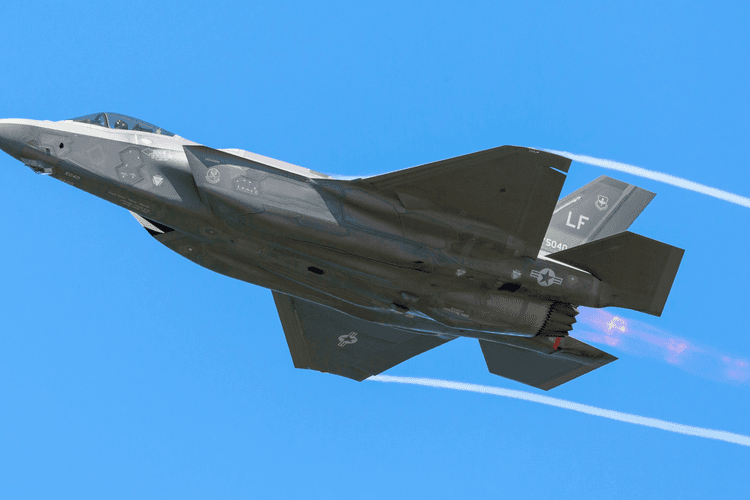
New and innovative ways of producing products are necessary to meet the demands of an ever-changing global environment. Lockheed Martin is achieving improved delivery results by utilizing additive manufacturing (3D printing) to produce cockpits for its F-35 Full Mission Simulators (FMS).
Lockheed Martin’s 3D Cockpit
For years, Lockheed Martin’s F-35 Training & Logistics team labored at the Orlando, Florida, Rotary and Mission System facility to develop an additive cockpit. They had to redesign it so that benefits could be achieved in schedule, cost, and quality.
Recently, the team announced that it accomplished shipping its first two 3D printed cockpits to MCAS Cherry Point.
Jared Stewart, the program’s hardware engineer staff, said it “paves the way for any future large additive programs.”
Improvements over Traditional Methods
There are many advantages of using additive manufacturing in the production process. To take full advantage of the process, design engineers must start with a clean slate and remove limitations that were placed on them from past manufacturing methods. This will ensure the highest level of improvements in part cost, supply chain complexity, and customer delivery times.
Design Improvements
The unique capability of 3D printing to produce complex geometry reduced Lockheed Martin’s overall part count of conventional metal parts required to assemble the F-35 FMS cockpit by 70%. This results in fewer opportunities for defects and fewer failure points for the entire assembly.
Production Improvements
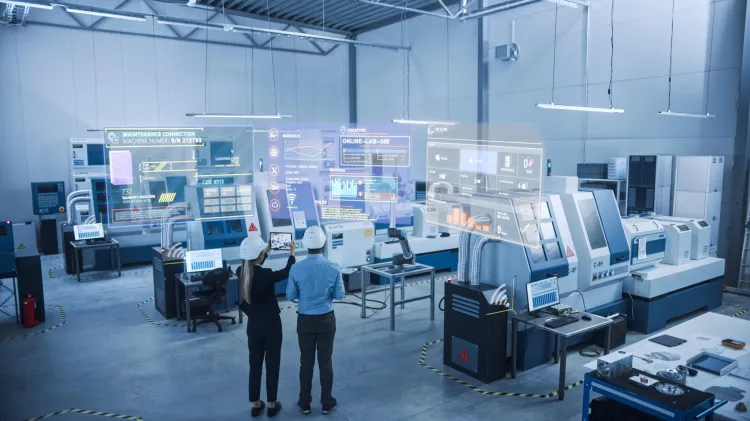
In order to further optimize the process, the Lockheed Martin team utilized digital twin technology to model the entire production process. By having this digital twins environment, the team was able to see issues during simulations and address them before they began manufacturing. This allowed them to minimize disruptions during the actual production and deliver the F-35 FMS on time.
The new methods of manufacturing allow lead time to be reduced by 75% when compared to conventional materials. The improvement of delivery times provides those defending our country with the aircraft they need as quickly as possible.