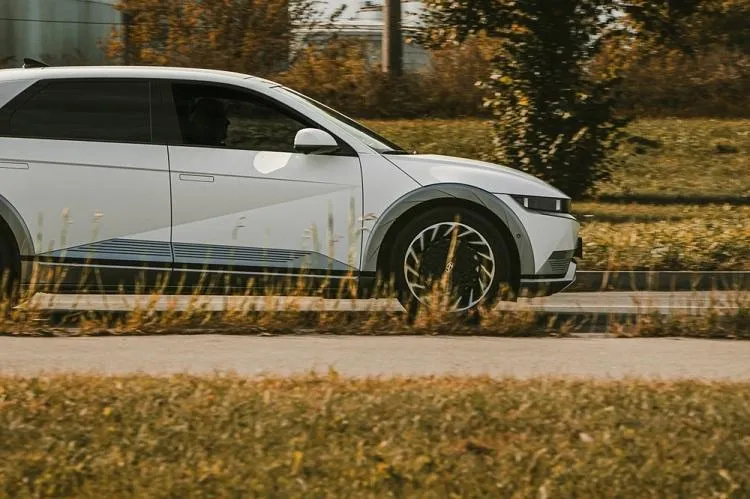
San Jose, California-based Sakuu Corporation recently unveiled their latest 3D printer, which the company says could provide a solution for electric vehicle batteries.
The Sakuu AM Platform is described as the world’s first and only multi-material, multi-process 3D printer. It utilizes powder bed and jetted material deposition in combining completely different materials into a single layer of printed product. In the case of producing the solid-state batteries utilized by electric vehicles, the printers could provide a process for combining ceramic and metal, as well as the company’s proprietary PoraLyte liquid binder, in creating a battery with an energy density powerful enough to support high-volume production, and durable enough for use in rugged environments.
According to Sakuu, their additive manufacturing platform is able to meet these requirements due to its ability to create monolithic layers and interfaces within the battery that other materials, outside of the traditional lithium-ion versions that are heavier and often cost-prohibitive, cannot.
According to the company, the end results is a solid-state battery that offers the same power capacity, but is half the size and 33% lighter. The later two factors could help improve electric vehicle range and efficiency. Sakuu also touts the environmental benefits of their platform, as it requires less material – all of which can be returned to its original powder form for easier recycling. Lithium-ion batteries require a more thorough and expensive process to recycle.
The company is backed by Musashi Seimitsu, a leading Japanese automotive parts supplier. And while the initial focus will be on EV batteries for anything from scooters to cars, the ability to pack more power into a lighter, more compact footprint means the technology could be tailored to consumer electronics, medical devices or machine controls.
The batteries being produced by the AM platform are still in the development phase, with initial tests being conducted on electric bikes.