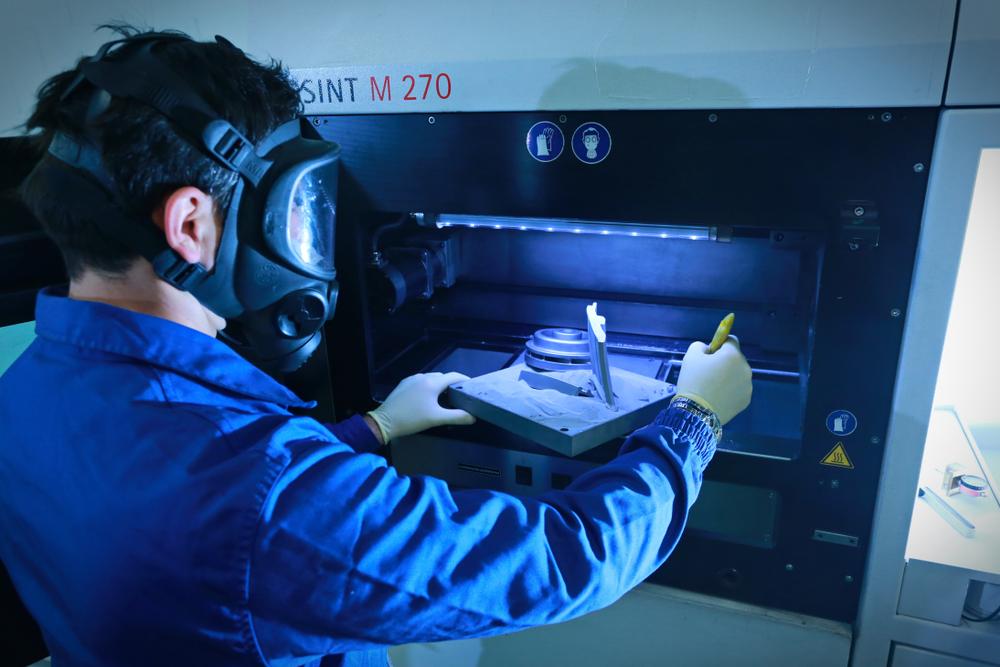
In the ever-evolving landscape of modern manufacturing, few innovations have captured the potential for transformative change likemetal 3D printing. Also known as metal additive manufacturing, this cutting-edge technology is changing how we conceive, produce, and utilize metal components.
At its core, metal 3D printing represents the pinnacle of additive manufacturing, a revolutionary process that defies conventional manufacturing constraints by crafting intricate metal parts layer by layer.
Below, we explore the intricacies of metal 3D printing, delving into its inner workings, the myriad of advantages it brings to the industry, and the diverse applications that have made it a pivotal force in reshaping the manufacturing world. Whether it be direct metal laser sintering (DMLS) or electron beam melting, let’s examine how this technology has revolutionized production and made the impossible possible.
How Metal 3D Printing Works
Metal 3D printing is a marvel of precision engineering that fundamentally alters the way metal components are fabricated. The creative use of metal powder as the raw material is at the heart of this transformative process.
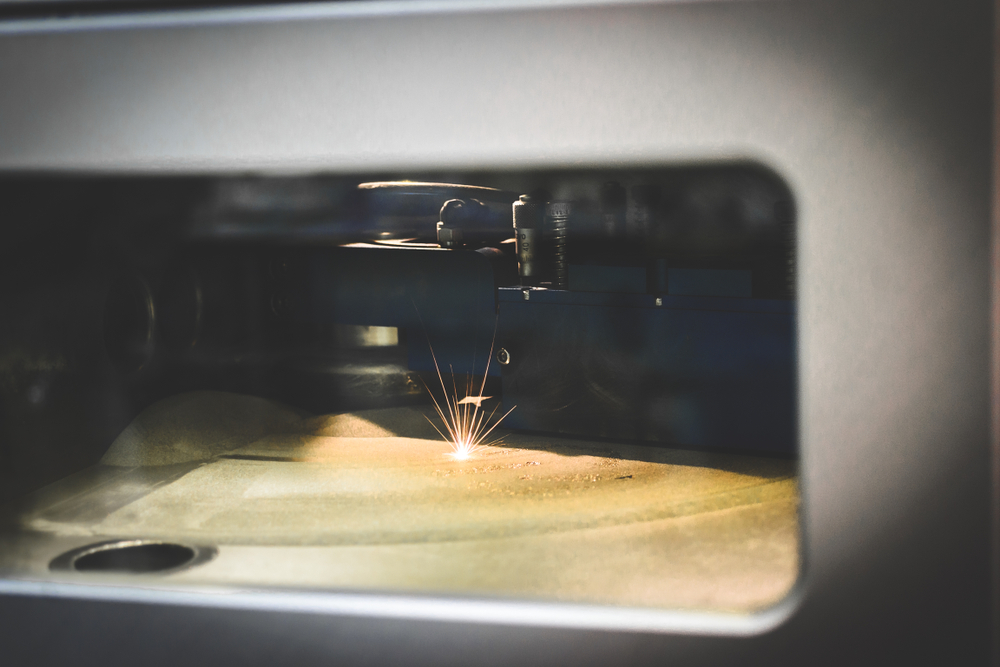
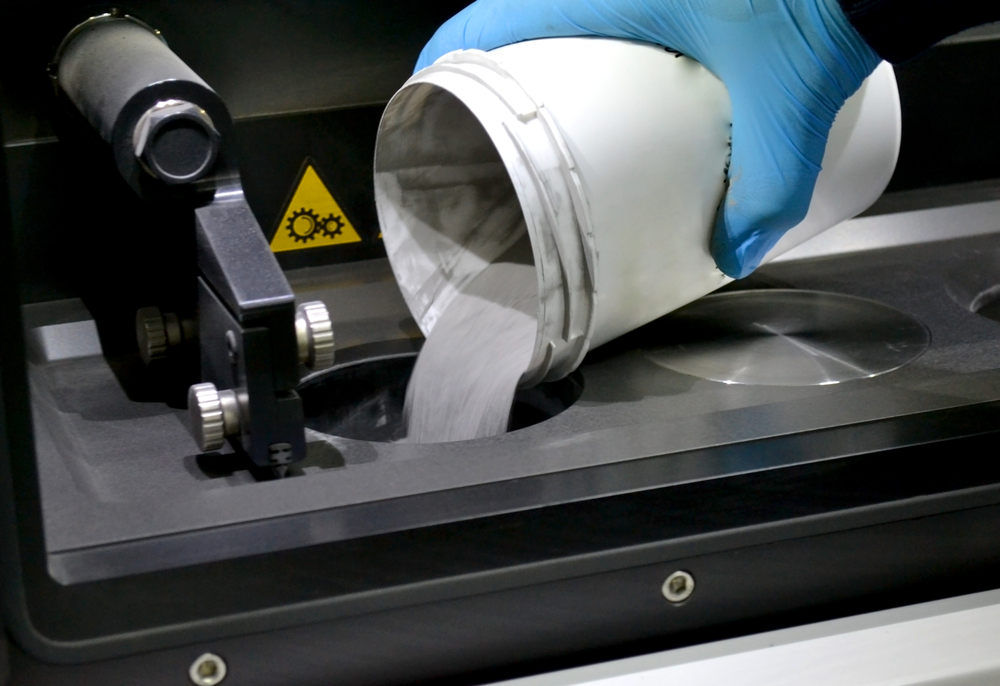
To start the powder bed fusion process, a thin layer of fine metal powder is evenly spread across the build platform, which is the foundation for creating the object. What truly distinguishes the manufacturing method is the remarkable precision of laser technology.
High-powered lasers are employed with pinpoint accuracy to melt and fuse the metal layer by layer in the selective laser melting process. This layer-by-layer approach, combined with advanced support structures, allows for the creation of complex shapes and intricate designs that traditional manufacturing processes struggle to achieve.
However, the process continues after the completion of the printed object. To ensure the material’s strength and integrity, heat treatment is done. This involves subjecting the printed metal part to controlled thermal conditions, which can include annealing or stress relieving, depending on the specific metal used and the desired mechanical properties of the metal parts.
Heat treatment helps remove internal stresses, refine the material’s microstructure, and enhance its overall performance, resulting in a finished metal component that meets the highest quality and durability standards. In essence, direct metal printing is a meticulous dance of precision, where metal powders and selective laser sintering technology collaborate to craft intricate structures, with heat treatment and other post-processing providing the finishing touch to ensure consistent mechanical properties.
How Does Metal 3D Printing Compare to Traditional Manufacturing?
The metal 3D printing method represents a transformative departure from traditional manufacturing techniques like subtractive manufacturing, casting, forging, and machining. While these processes often generate significant material waste and involve costly tooling, metal 3D printing minimizes waste, eliminating the need for molds or dies and reducing setup expenses.
Additionally, its layer-by-layer construction allows for intricate geometries that are challenging with traditional methods. Compared to machining, known for its precision but labor-intensiveness, building objects using metal particles and electron beam melting streamlines the process, cutting down on post-production machining efforts.
In terms of time efficiency and cost-effectiveness, metal printers shine, making them an increasingly attractive option for industries striving to meet the demands of contemporary manufacturing while minimizing waste and enhancing design flexibility.
Material Options for Metal 3D Printing
Material selection is a critical aspect of additive manufacturing technology, with diverse options catering to specific requirements. The most common materials for metal 3D printing include:
Other metals that can be used in the sintering process include cobalt chrome. The diversity of available metal alloys ensures that the manufacturing process can meet a broad spectrum of needs, delivering tailor-made solutions across various industries.
Advantages of Metal 3D Printing
One of the most significant advantages of this manufacturing method is design flexibility, enabling the realization of intricate and complex geometries that were once thought impossible to create. This newfound freedom in design has opened doors to innovation in various industries.
Additive manufacturing excels in rapid prototyping, accelerating the product development cycle by swiftly turning digital designs into tangible prototypes, reducing time-to-market. Its additive nature significantly curtails material waste compared to subtractive methods, aligning with sustainable practices and cost-efficiency.
Additionally, it strikes a balance between strength and weight, producing lightweight, complex metal parts without compromising durability. This makes it a preferred choice for applications where performance and weight optimization are critical, such as the aerospace and automotive industries. These advantages solidify it as a pivotal force in modern manufacturing, driving efficiency, innovation, and sustainability.
Challenges and Limitations of Metal 3D Printing
While revolutionary, this technology does come with its fair share of challenges, including:
These considerations underline the need for a balanced approach when employing metal 3D printing in manufacturing processes.
Applications of Metal Powder 3D Printing
Metal 3D printing has entered various industries, showcasing its versatility and transformative potential.
Across these and many other sectors, metal 3D printing has become a cornerstone technology, empowering innovation, customization, and efficiency like never before.
Real-World Examples of Metal 3D Printing
There are a variety of real-world applications of metal 3D printing across various industries.
In aerospace, companies like Boeing have used technology to produce intricate, lightweight components, reducing aircraft weight and improving fuel efficiency.
Automotive manufacturers like Bugatti have employed metal 3D printing to create intricate brake calipers, pushing the boundaries of design and performance.
EOS, a Germany-based additive manufacturing company,has made orthopedic implants, dental prosthetics, biocompatible materials, and surgical components.
The medical industry has generally utilized metal 3D printing to create customized implants and prosthetics crafted to match individual patient needs.Custom implants are easier to insert and can help patients recover faster.
[Read Xometry’s Medical Device Manufacturing Report | 2023]
Environmental Impact and Sustainability
Metal 3D printing is making significant strides in promoting environmental sustainability within manufacturing. Its inherent advantages, such as reduced material waste through precise additive manufacturing processes, align with eco-friendly goals.
By selectively using only the necessary material, metal 3D printing minimizes waste, contributing to a more sustainable approach to production. Compared to traditional subtractive methods, the technology’s energy efficiency further bolsters its eco-friendly credentials.
As industries increasingly adopt metal 3D printing, it emerges as a critical player in pursuing sustainable manufacturing practices, where efficiency, waste reduction, and responsible resource utilization take center stage.
Regulations and Quality Standards
Adherence to industry regulations and quality standards is paramount in metal 3D printing. It is not only a matter of compliance but also a crucial aspect of ensuring the safety and reliability of printed metal components.
Certification and standards compliance is pivotal in establishing trust among manufacturers, consumers, and regulatory bodies. They validate the integrity of the production process, guarantee material quality, and assure end-users that the printed components meet established safety and performance criteria.
In an industry poised for rapid growth, strict adherence to these regulations and standards is not just a legal requirement — it’s a fundamental pillar in building confidence and fostering the continued expansion of metal 3D printing in various sectors.
Future Trends and Developments in Metal 3D Printing
The future of metal 3D printing is poised to be incredibly dynamic and promising, with several notable developments on the horizon.
One exciting prospect is the emergence of multi-material printing, allowing for the combination of different metals within a single print, opening doors to unprecedented design flexibility and functionality. In tandem, developing advanced metal materials with enhanced properties will further expand the technology’s applications.
In 2023, efforts are underway to make metal 3D printing faster without compromising accuracy and precision, addressing one of its current limitations.
As these trends evolve, metal 3D printing is poised to become an even more integral and transformative force in the manufacturing landscape, driving innovation and pushing the boundaries of what is achievable in metal component production.
Powder Bed Fusion and Direct Metal Laser Sintering: A Convergence of Innovation and Precision
Metal 3D printing represents a remarkable convergence of innovation, precision, and sustainability in manufacturing. Its ability to create intricate designs, reduce waste, and offer a sustainable alternative to traditional manufacturing methods is reshaping industry.
In the future, the potential for multi-material printing, improved metal alloys, faster production, and enhanced precision will enable an even more dynamic industry. With collaborative efforts, adherence to quality standards, and an eye on sustainability, metal 3D printing is not merely a technological leap but a revolution in how we create, design, and build the world around us.
More Additive Manufacturing Insights
Image Credit: MikeDotta / Shutterstock.com